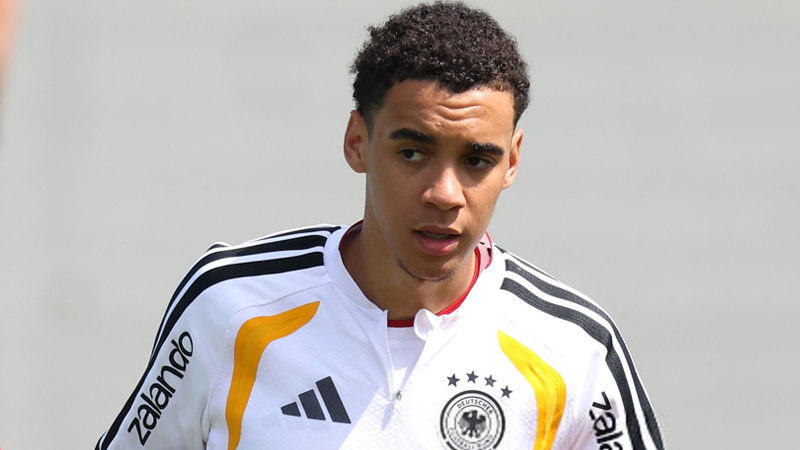
Jamal Musiala has emerged as one of the most prominent figures in modern football, embodying the complex nature of international identity in the 21st century.
As a key player for both Bayern Munich and the German national team, his background is a frequent subject of interest for fans and analysts alike.
Understanding Jamal Musiala nationality is not merely a matter of checking a passport; it is a journey through multiple cultures and a testament to the globalized state of the sport.
This article provides an in-depth analysis of his heritage, his dual citizenship, and the strategic decisions that defined his path.
Decoding Jamal Musiala Nationality and Heritage
The question of Jamal Musiala nationality is multifaceted because he holds dual German and British nationality. This status is a direct result of his family history and the geographic movements of his parents throughout his early life.
While he is currently a standard-bearer for German football, his identity is fundamentally shaped by a broader international mosaic.
The Continental Influence: Germany, Poland, and Nigeria
To fully grasp the background of this footballing prodigy, one must look at the diverse roots of his parents. His mother is German with Polish roots, while his father is British-Nigerian.
This unique combination means that Musiala carries cultural and genetic ties to three different continents—Europe, Africa, and, through his British upbringing, the specific traditions of the United Kingdom.
The Following table summarizes the core components of his heritage:
| Identity Component | Country/Origin | Significance |
|---|---|---|
| Birthplace | Stuttgart, Germany | Established his initial German nationality and eligibility. |
| Maternal Heritage | Germany / Poland | Connects him to Central European cultural and sporting traditions. |
| Paternal Heritage | Britain / Nigeria | Provided the basis for his UK citizenship and West African roots. |
| Current Allegiance | Germany | The nation he represents at the senior international level. |
Legal Status and Passport Logistics
Musiala’s dual nationality is not just a cultural sentiment but a legal reality, as he possesses passports for both Germany and the United Kingdom.
This dual status allowed him significant flexibility during the early stages of his career, enabling him to move between the two countries without the bureaucratic hurdles often faced by non-EU or non-UK athletes.
This legal framework was essential when his family moved from Stuttgart to England when he was only seven years old.
The Formative Years: From Stuttgart to South London
A player’s “footballing nationality” is often determined by where they receive their most critical training during their youth. For Musiala, this period was spent largely in England.
Having moved there at age seven, he spent the vast majority of his childhood within the British education and sporting system.
The Impact of the British Education System
During his time in England, Musiala was immersed in the local culture, which significantly influenced his personality and playing style.
Outside of the provided sources, it is well-known that he attended schools in South London and joined the Chelsea FC academy, a period that many credit with giving him the physical and technical robustness associated with English youth development.
This upbringing led to him representing England at various youth levels, including the U21 team, before his eventual switch to the German senior side.
Developing a Dual Sporting Identity
The transition between German and English football cultures is a key theme in his development. While his birth in Stuttgart provided his initial connection to German football, the decade he spent in England provided the stylistic foundation of his game.
This “dual-schooled” nature is what makes him such a valuable asset on the pitch; he possesses the tactical discipline often associated with German academies and the creative flair frequently nurtured in the South London “cage football” scene.
International Career Decision: Choosing Die Mannschaft
The decision regarding which senior national team to represent is perhaps the most significant milestone in a dual-national’s career. For Musiala, this was a choice between three potential options: Germany, England, and Nigeria.
The Strategic Choice in February 2021
In February 2021, Musiala made the official announcement that he would commit his senior international future to Germany. This was a major coup for the German Football Association (DFB).
At the time, he was already starring for Bayern Munich, and the decision ended months of speculation regarding whether he would continue his journey with the English Football Association (FA).
Below are the key factors that influenced this decision:
- Birth Connection: Being born in Stuttgart created a deep-rooted sense of belonging to the German nation.
- Professional Environment: Playing for Bayern Munich in the Bundesliga put him in constant contact with the German national team setup.
- Recruitment Efforts: High-level discussions with German coaching staff played a pivotal role in convincing him of his future importance to the squad.
- Senior Pathway: Germany provided a clear and immediate path to being a focal point for their 2022 World Cup and Euro 2024 campaigns.
The Nigerian and English Alternatives
While he was eligible for Nigeria through his father, Musiala never represented the Super Eagles at the youth level. England, however, was a much closer contender.
Having played for England up to the U21 level, many expected him to progress to the senior Three Lions squad.
His ultimate choice to represent Germany was a deeply personal one, reflecting where he felt most at home as a professional athlete at that specific juncture of his life.
Global Branding and the Modern Athlete Persona
From a strategic branding perspective, Jamal Musiala nationality makes him a “market-maker.” He appeals to a wide variety of demographics across multiple major footballing markets.
In Germany, he is a homegrown hero; in England, he is the “one that got away” with deep ties to London; and in Nigeria, he represents the vast potential of the diaspora.
Marketability Across Borders
Brands often look for athletes who can transcend local borders. Musiala’s ability to speak fluent English and German, combined with his multicultural heritage, makes him a prime candidate for global endorsement deals.
This dual identity allows him to engage with fans in the Premier League-dominated UK market and the Bundesliga-centric German market simultaneously.
The Role of Social Media in Shaping Identity
In the digital age, an athlete’s nationality is also reflected in their online presence. Musiala often uses his platforms to acknowledge his multifaceted background, celebrating his German achievements while maintaining a connection to his English roots.
This transparency builds trust with a global audience that increasingly identifies with multiculturalism rather than rigid national boundaries.
Technical Analysis: How Dual Heritage Influences Playstyle
Outside of the sources, analysts often point to Musiala’s “silky” dribbling and spatial awareness as a blend of his influences. The technical precision of the German school (focused on efficiency and positioning) is evident in his play for Bayern.
However, the unpredictability and 1v1 bravery he shows is a hallmark of the London youth circuits where he spent his formative years.
Tactical Versatility in International Football
By choosing Germany, Musiala brought a unique “English” sensibility to the German midfield. Under various managers, he has been utilized as a “number 10” or a winger, roles where his ability to navigate tight spaces—a skill honed in both countries—is invaluable.
This cross-pollination of footballing philosophies is a direct result of his dual nationality and upbringing.
Frequently Asked Questions (FAQ)
What is Jamal Musiala’s official nationality?
Jamal Musiala holds dual nationality, being a citizen of both Germany and the United Kingdom.
Which national team does Jamal Musiala play for?
Despite his dual citizenship and playing for England’s youth teams, he represents the Germany national football team at the senior level.
Why was Musiala eligible for Nigeria?
He was eligible for Nigeria through his father, who is British-Nigerian. However, he never officially represented Nigeria in international competition.
Where was Jamal Musiala born?
He was born in Stuttgart, Germany, which provided him with his initial German citizenship.
When did he move to England?
Musiala moved to England at the age of seven and spent the majority of his childhood there, which led to his development within the English football system.
Did Musiala ever play for England?
Yes, he represented England at various youth levels, including the Under-21 team, before committing to Germany in February 2021.
Conclusion: The Significance of the Musiala Model
Jamal Musiala is more than just a world-class midfielder; he is a symbol of the evolving landscape of international sports.
His journey from Stuttgart to London and back to the pinnacle of German football illustrates how dual nationality can be a source of strength and versatility.
By embracing his German, British, Nigerian, and Polish roots, Musiala has crafted an identity that resonates globally.
For football federations and scouts, the “Musiala model” highlights the importance of early engagement with dual-national talents. For fans, his story adds a layer of depth to every goal he scores and every match he wins for Die Mannschaft.
As he continues to develop, his nationality will remain a core part of his narrative—a narrative defined not by the choice between two countries, but by the successful integration of many.