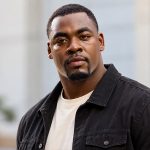
Garett Bolles has established himself as an All-Pro offensive tackle for the Denver Broncos in the NFL. While fans frequently search for details surrounding his heritage, ethnicity, and personal background, his broader story is one of dramatic personal transformation.
Raised in Utah and California, Bolles overcame a turbulent youth through the stabilizing influence of The Church of Jesus Christ of Latter-day Saints (LDS Church) and the mentorship of surrogate parents Greg and Emily Freeman.
This comprehensive profile examines his ethnic heritage, religious foundations, and the personal discipline that carried him from a struggling teenager to an elite professional athlete.
Identity and Heritage: Background, Ethnicity, and Early Life
When searching for demographic details regarding top professional athletes, fans often seek clear, factual information about their heritage and upbringing.
Demographic Profile & Roots
- Ethnicity & Background: Garett Bolles is white and of Caucasian American descent.
- Place of Birth: He was born in Walnut Creek, California, United States.
- Upbringing: He was raised in Lehi, Utah, within a traditional American family context.
- Religious Affiliation: He is a devoted member of The Church of Jesus Christ of Latter-day Saints (LDS Church).
| Category | Detail |
|---|---|
| Full Name | Garett Bolles |
| Professional Position | Offensive Tackle, Denver Broncos (NFL) |
| Ethnicity | White / Caucasian American |
| Birthplace | Walnut Creek, California, USA |
| Hometown | Lehi, Utah |
| Religious Faith | The Church of Jesus Christ of Latter-day Saints (LDS) |
Bolles grew up in Utah, where religious and cultural community ties are central to civic life. However, his adolescence was marked by significant personal turmoil before he established the stability that defines his adult life.
The Adolescent Crisis: Overcoming Turmoil and Finding Structure
Before achieving national prominence on the football field, Bolles faced severe personal challenges during his teenage years.
Youth Struggles and Disruption
During his adolescence, Bolles experienced a period of intense personal instability. He struggled in traditional academic settings and found himself spiraling into disruptive behavior:
- He was expelled from five different schools as a teenager.
- He was arrested following a vandalism incident.
- Following continued conflict, his father eventually booted him from the family home.
Without direction, stable housing, or a clear path forward, Bolles reached a critical crossroads in his young life.
The Turning Point: Mentorship with Greg and Emily Freeman
The pivotal moment in Bolles’ transformation occurred when Greg and Emily Freeman intervened. Recognizing his potential and need for guidance, the Freeman family opened their home to him, providing both shelter and rigorous household structure.
Establishing Household Guidelines
The Freemans introduced consistent expectations designed to instil personal discipline, daily routine, and moral accountability:
- Mandatory Church Attendance: Participating in regular weekly LDS Church services to build community connections and spiritual grounding.
- Evening Digital Detox: Handing in his mobile phone every night to eliminate distractions, enforce proper sleep habits, and encourage quiet reflection.
- Financial and Personal Stewardship: Practicing tithing as part of his spiritual commitment.
Reflecting on these structured habits, Bolles noted that these daily boundaries were essential in creating space for personal study:
“Those were the times where I could really dig into the scriptures.”
The Freemans provided more than basic shelter; they offered a reliable safety net that allowed Bolles to reset his trajectory. Expressing his deep gratitude for their lifelong support, Bolles shared:
“They mean the world to me… they’re going to be here for me, they always will be for the rest of my life.”
Spiritual Rebuilding: Accountability, Pastoral Care, and Personal Growth
Central to Bolles’ personal recovery was his active engagement with the tenets and pastoral guidance of the LDS Church.
Pastoral Accountability and Resolution
To reconcile his past actions, Bolles engaged in candid, one-on-one meetings with his local LDS bishop. These structured discussions allowed him to openly address past errors, engage in self-reflection, and experience a sense of spiritual cleansing. This pastoral counseling helped him let go of previous mistakes and build a direct relationship with the Lord.
Community and Fellowship
Participating in church fellowship gave Bolles a supportive peer network and a sense of belonging. Describing the impact of communal worship, Bolles remarked:
“Church is a place where you can fellowship, you can feel the Spirit.”
These spiritual practices replaced former volatility with order, purpose, and self-control.
The Colorado Springs Mission: Translating Faith into Athletic Excellence
A foundational chapter in Bolles’ development was completing a full-time LDS mission in Colorado Springs, Colorado.
| Missionary Experience | Impact on Athletic Success |
|---|---|
| Rigorous Daily Routine | Developed focus, discipline, and strong time-management skills. |
| Strict Rule Adherence | Encouraged precision and consistency in following responsibilities. |
| Personal Accountability | Helped build resilience and responsibility when facing pressure. |
| Service & Fellowship | Strengthened communication, teamwork, and leadership skills. |
Building Professional Discipline
Bolles described his mission experience in Colorado Springs as “awesome,” crediting it with forging the work ethic, exactness, and mental toughness required in professional sports.
On his mission, he learned to follow strict daily schedules, adhere to formal rules, and maintain personal focus—skills that directly translated to the rigorous physical and mental demands of playing offensive tackle in the NFL.
His mission served as a bridge between his structured recovery as a teenager and his ultimate rise as an elite athlete.
Public Testimony and Platform in the NFL
As an established starting tackle for the Denver Broncos, Bolles frequently utilizes his public platform to advocate for faith, personal responsibility, and perseverance.
Living His Principles
Bolles speaks openly about how faith serves as his ultimate anchor through the highs and lows of an NFL career. Encapsulating his personal worldview, Bolles observed:
“If you learn to trust in the Lord and keep His commandments, He’s going to put you in places you never thought before.”
His willingness to discuss his former struggles—including school expulsions, arrests, and family estrangement—provides an encouraging model for young people navigating difficult circumstances.
Conclusion
Garett Bolles’ transformation from a troubled teenager to a prominent Denver Broncos offensive tackle highlights the profound impact of structured mentorship and religious conviction.
Guided by the Freeman family’s household rules and grounded in his faith as a devoted member of The Church of Jesus Christ of Latter-day Saints, Bolles replaced youth volatility with daily discipline and spiritual accountability.
Serving an LDS mission in Colorado Springs further forged the mental toughness and work ethic required to excel at the highest level of professional football. Ultimately, his journey demonstrates how devotion, family support, and perseverance can reshape a life’s trajectory.