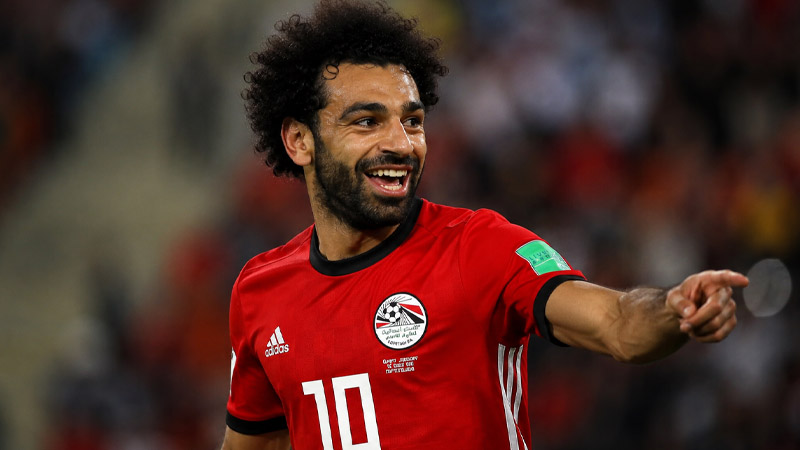
Mohamed Salah is far more than a professional athlete dominating the world of football.
He represents a bridge between cultures and a beacon of hope for millions across the globe. His identity as an Egyptian is the cornerstone of his public persona and professional journey.
This article explores the deep connection between Salah and his homeland. We will examine how his roots in a small village fueled his rise to global stardom.
By understanding his background, fans can appreciate the true significance of the man often called the Egyptian King.
Defining Mohamed Salah’s Nationality and Origins
The question of Mohamed Salah’s nationality is central to his identity as a global sports icon. He was born and raised in the heart of North Africa, a fact that he carries with immense pride.
His journey from the Nile Delta to the world’s most famous stadiums is a testament to his dedication.
This heritage is not just a legal status but a core element of his character. It influences his playing style, his leadership, and his relationship with his massive fan base. To truly understand his impact, one must look at the specific place where his story began.
The Roots of the Egyptian King in Nagrig
Mohamed Salah Hamed Mahrous Ghaly was born in Nagrig, Basyoun, Egypt. This small village in the Gharbia Governorate provided the foundation for his early life and career.
The environment in Nagrig was modest, yet it fostered a strong sense of community and determination. Salah often returns to his hometown to reconnect with his community and support local initiatives.
His connection to Nagrig remains a defining characteristic of his personality. Even as he moved to major European cities, he never lost sight of where he came from. This grounded nature has earned him respect far beyond the football pitch.
Full Legal Name and Egyptian Heritage
His full name is Mohamed Salah Hamed Mahrous Ghaly, reflecting traditional naming conventions in his homeland. This name is now recognized in every corner of the world, from Cairo to Liverpool.
His Egyptian heritage is a source of inspiration for aspiring athletes throughout the Middle East. He proves that talent from small towns can reach the absolute pinnacle of international sports.
Salah’s legal and cultural identity is firmly rooted in the Arab Republic of Egypt. This background provides him with a unique perspective in the world of professional sports. He effectively serves as a cultural ambassador for his nation on the global stage.
The Impact of Mohamed Salah on Egyptian Football
Mohamed Salah has fundamentally changed the landscape of football within his country. His success has brought unprecedented attention to the Egyptian National Team. He has elevated the standards of professionalism and performance for the entire region.
The influence he wields is significant, as he inspires a new generation of players to dream big. His presence on the field changes the dynamics of any match the national team plays. Let us look closer at his leadership role within the team.
Captaining the Pharaohs to Global Prominence
One of his most significant roles is serving as the captain of the Egypt National Football Team. This position carries a heavy weight of responsibility and national expectation.
Under his leadership, the team has reached major milestones, including qualification for the FIFA World Cup. His ability to lead by example makes him an invaluable asset to the squad.
He is often referred to as the leader of the “Pharaohs,” a nickname for the national team that connects modern players to ancient history. Salah embraces this role with a mixture of humility and fierce competitiveness.
International Performance and Statistical Excellence
Salah’s contribution to the national team is marked by incredible goal-scoring records and consistency. He is one of the highest scorers in the history of Egyptian football.
His performance in international tournaments often dictates the success of the entire team. Fans across Africa watch with bated breath whenever he steps onto the field in the national jersey.
His statistics at the international level are a reflection of his elite status. He remains the focal point of the Egyptian attack, drawing multiple defenders and creating space for his teammates.
Cultural Identity and the “Egyptian King” Moniker
The world knows him by many names, but one stands out above the rest. The “Egyptian King” is a title that combines his nationality with his dominant presence in the game. This nickname is a bridge between his African roots and his European success.
It is a term of endearment and respect used by fans worldwide. The moniker signifies his status as football royalty while never forgetting his specific heritage.
A Symbol of National Pride
For citizens of Egypt, Salah is a symbol of national achievement and international recognition. He represents the potential of the Egyptian people to excel in any field.
His success provides a sense of collective joy and unity across the nation. During major matches, the streets of Cairo and Alexandria often go quiet as everyone tunes in to watch him play.
He is frequently cited as the “Pride of Egypt” due to his conduct both on and off the field. This status makes him one of the most influential figures in the modern history of the country.
Representation in the Middle East and North Africa
Salah’s influence extends far beyond the borders of Egypt into the wider Middle East and North Africa region. He is a trailblazer for Arab athletes in European football leagues.
His visibility helps to break down stereotypes and fosters a greater understanding of different cultures. He is a role model for young people who see themselves reflected in his success.
The impact of his representation cannot be overstated in terms of cultural diplomacy. He has become a global face for a region that is often misunderstood by the Western media.
Career Milestones and Professional Trajectory
The professional journey of Mohamed Salah is a series of record-breaking moments. He began his career in the Egyptian Premier League before moving to Europe. Each step of his career has been a building block toward his current legendary status.
His transition through various leagues demonstrates his adaptability and constant desire for improvement. The following table provides a snapshot of his professional development.
| Category | Details |
|---|---|
| Birthplace | Nagrig, Basyoun, Egypt |
| National Team Role | Captain of Egypt |
| Global Moniker | The Egyptian King |
| First Professional Club | El Mokawloon (Egypt) |
| Current Major Club | Liverpool FC |
Transition to European Excellence
After showing immense talent in Egypt, Salah moved to Basel in Switzerland. This move was the first step in a career that would take him to some of the biggest clubs in the world.
He spent time in London and Rome before finding his perfect home in Liverpool. Each city he lived in allowed him to showcase his Egyptian roots to a new audience.
His time in the Italian league was particularly crucial for his tactical development. By the time he returned to the Premier League, he was ready to become a global superstar.
Philanthropy and Giving Back to Nagrig
Despite his immense wealth and fame, Salah remains deeply connected to his local origins. He has invested millions of dollars into the development of his home village of Nagrig.
These contributions are not merely financial: they are a reflection of his values. He understands the challenges faced by those in rural Egypt and seeks to provide better opportunities.
Economic and Social Contributions
Salah has funded the construction of schools and hospitals in the Basyoun region. These facilities provide essential services to thousands of people who might otherwise struggle to access them.
He also established a foundation that provides monthly stipends to families in need. This commitment to social welfare has made him a hero in the eyes of his neighbors.
His philanthropic work is a key part of why he is so beloved in Egypt. He uses his platform to create tangible, positive change in the lives of ordinary citizens.
Frequently Asked Questions about Mohamed Salah
What is Mohamed Salah’s nationality?
Mohamed Salah is a citizen of Egypt. He was born in the village of Nagrig, which is located in the Basyoun district of the Gharbia Governorate.
Does he play for the Egypt National Team?
Yes, he is the current captain of the Egypt National Football Team. He has represented his country in numerous international tournaments, including the FIFA World Cup and the Africa Cup of Nations.
Why is he called the “Egyptian King”?
This nickname was popularized by fans of Liverpool FC through a famous chant. It celebrates his incredible goal-scoring ability and his heritage as a proud Egyptian.
Where is his hometown located?
His hometown, Nagrig, is a small village in the Nile Delta region of Egypt. It is part of the Basyoun center in the Gharbia Governorate.
The Enduring Legacy of an Egyptian Icon
The story of Mohamed Salah is far from over, but his legacy is already secure. He has redefined what it means to be an Egyptian athlete in the twenty first century. His nationality is not just a part of his biography: it is the heart of his identity.
As he continues to break records, he does so with the flag of his nation held high. He remains a powerful example of how one person can inspire an entire country.
His journey serves as a reminder that greatness can come from anywhere. Whether he is scoring goals in England or leading his team in Africa, he remains the humble kid from Nagrig.
The world will continue to watch the Egyptian King as he writes the next chapters of his remarkable career.