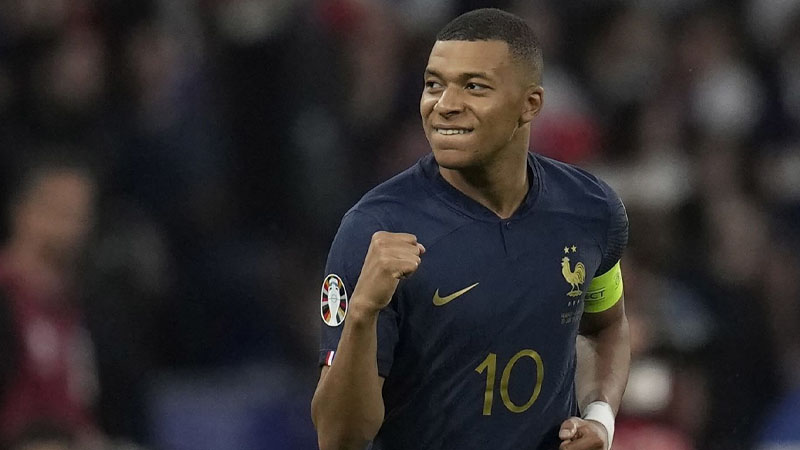
Kylian Mbappé is a defining figure of modern football, representing a blend of elite talent and a complex cultural identity that reflects the modern era.
Born on December 20, 1998, in Paris, France, he has become a global icon through his performances on the pitch and his status as a leader for his country.
While his primary public identity is inextricably linked to the French flag, his background is a tapestry of multiple nationalities.
Understanding the nuances of his heritage provides a deeper look into the man who carries the hopes of a nation while honoring his diverse ancestral origins.
The Multi-Layered Nature of Kylian Mbappé’s Nationality
The question of citizenship for a high-profile athlete often involves more than just a passport; it involves a sense of belonging and legal recognition across borders.
For the French superstar, his nationality is defined by both his place of birth and the lineage of his parents, creating a dual-identity profile that is common in the multicultural landscape of modern Europe.
The Legal Status of a French Citizen
Kylian Mbappé holds French nationality as his primary legal identity. Born and raised in the heart of Paris, his connection to France is foundational to his life and career.
Under French law, being born on French soil to at least one parent who was also born in France (or under certain residency conditions) often simplifies the path to citizenship.
For Mbappé, his identity as a Frenchman has never been in doubt, and he has represented the national team at every major level, eventually rising to become the captain of the squad.
Dual Citizenship and the Cameroonian Link
Beyond his French roots, he possesses dual citizenship with Cameroon. This legal status is inherited through his father, Wilfried Mbappé, who immigrated to France from the Central African nation.
Dual citizenship allows an individual to maintain a formal connection to their ancestral homeland while fully participating in the civic life of their country of residence.
In the world of sports, this dual status often presents athletes with a choice of which national team to represent; however, Mbappé committed to the French football system early in his development, cementing his legacy with Les Bleus.
The Role of Parental Heritage in Shaping an Icon
The identity of a public figure is frequently a reflection of their domestic environment. For Kylian, his parents provided a rich cultural background that spans different regions of the African continent, influencing his worldview and his standing as a multicultural role model in France.
Paternal Influence: Wilfried Mbappé
His father, Wilfried Mbappé, serves as a bridge to his Cameroonian heritage. Moving from Cameroon to the suburbs of Paris, Wilfried became a football coach, playing a massive role in his son’s technical development.
This connection to Cameroon is more than just a legal formality; it represents a significant portion of Kylian’s ethnic identity and provides him with a deep-seated link to Central African culture.
Maternal Heritage: Fayza Lamari
The other half of his cultural identity comes from his mother, Fayza Lamari, who is of Algerian descent. This adds a North African dimension to his heritage, making him a figure of pride for communities across both Sub-Saharan and North Africa.
Though she was a professional handball player in France, her Algerian roots remain a vital part of the family’s history, contributing to the diverse cultural environment in which the footballer was raised.
Defining a National Icon for France
While his heritage is diverse, his professional life is defined by his commitment to the French national team. His career trajectory has been nothing short of historic, marked by early success and a rapid ascent to leadership positions within the national setup.
The 2018 FIFA World Cup Victory
The most significant milestone in his international career remains the 2018 FIFA World Cup. At just 19 years old, he became one of the youngest players to score in a World Cup final, helping France secure their second star.
This victory did more than just add a trophy to his cabinet; it solidified his place as a national hero and a symbol of a successful, multicultural France.
Captaincy and the Responsibility of Leadership
Following his continued excellence on the global stage, he was appointed to captain the France national team. This role is one of the most prestigious in world football, requiring not only skill but also the ability to unite a diverse locker room.
As captain, he represents the culmination of the French footballing “Genesis,” where players from various backgrounds come together under a single flag.
A Statistical Breakdown of Key Biographical Data
To understand the core facts surrounding his identity and career, it is helpful to look at the specific data points that define his public profile. The following table summarizes the essential information regarding his origins and professional status.
| Category | Details |
|---|---|
| Full Name | Kylian Mbappé Lottin |
| Date of Birth | December 20, 1998 |
| Place of Birth | Paris, France |
| Primary Nationality | French |
| Secondary Nationality | Cameroonian (Dual Citizenship) |
| Maternal Heritage | Algerian |
| Professional Role | Captain, France National Team |
| Major Achievement | 2018 FIFA World Cup Winner |
The Social Impact of Dual Heritage in Modern Sport
The story of Kylian Mbappé is a prominent example of the “New France,” a nation characterized by its diverse population and the success of second-generation immigrants.
His ability to navigate multiple identities—French, Cameroonian, and Algerian—serves as a powerful narrative in a world that is increasingly interconnected.
Global Reach and Brand Identity
Because of his ties to Africa and his dominance in European football, he has a global appeal that few other athletes can match. He is not just a French star; he is an African icon by descent and a global superstar by trade.
This multifaceted identity makes him highly marketable and relatable to fans in Douala, Algiers, and Paris alike.
Navigating Public Expectations
Being a symbol of multiple cultures comes with intense public scrutiny. He is often looked to for leadership on social issues within France, particularly those involving immigration and identity.
His poise in handling these expectations, while maintaining a world-class level of performance, has earned him respect far beyond the football pitch.
Frequently Asked Questions about Kylian Mbappé’s Nationality
Is Kylian Mbappé a French citizen?
Yes, he was born in Paris and holds French nationality. He represents France in international competitions and currently serves as the captain of the national team.
Does he have an African passport?
He possesses dual citizenship with Cameroon through his father. While he holds this citizenship, his primary athletic and civic participation is within France.
What is his mother’s background?
His mother, Fayza Lamari, is of Algerian descent. This gives him a cultural connection to North Africa in addition to his French and Cameroonian ties.
Where was he born?
He was born in Paris, France, on December 20, 1998.
The Lasting Legacy of the French Captain
Kylian Mbappé’s nationality is not just a matter of legal paperwork; it is a reflection of his history and the changing face of global sports.
By embracing his French upbringing while honoring his Cameroonian and Algerian roots, he has become a bridge between continents.
His journey from the suburbs of Paris to the captaincy of the national team is a testament to the power of diversity and the pursuit of excellence.
As he continues to break records, his heritage remains a core part of his story—a reminder that one can be a proud representative of a nation while remaining deeply connected to a global heritage.