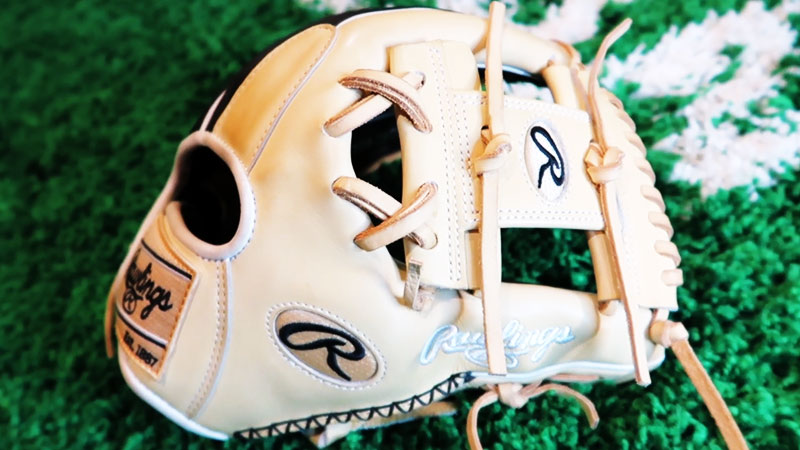
You just slipped your hand into a Rawlings glove, ran your fingers across the leather, and noticed something you’d never paid attention to before: dots. Maybe they’re tiny holes punched through the back of the fingers.
Maybe they’re pressed into the wrist strap. Maybe they’re faint ink marks hiding inside the hand opening. Whatever they look like, one question follows almost immediately. What do they mean?
It’s one of the most common questions players, parents, coaches, and collectors ask about Rawlings gloves, and the answers floating around online range from helpful to completely made up.
This guide cuts through the noise. You’ll learn the most common types of dots found on Rawlings gloves, how to identify exactly which ones you’re looking at, whether they affect performance or value, and how to care for your glove so it lasts for seasons to come.
The Quick Answer
The dots on a Rawlings glove don’t follow one universal code. Their meaning depends on where they appear and which model you own.
They usually fall into one of six categories: ventilation perforations that improve airflow, decorative embossing that’s part of the design, lace holes and metal eyelets that hold the glove together, the natural grain of the leather, small production marks applied during manufacturing, or custom details chosen for a specific glove.
To identify yours, check the location, see whether the dots pass through the leather, and match the stamped model number to official Rawlings product information.
Why Those Little Dots Matter
Small details on a glove can raise big questions. A parent who just spent serious money on a glove wants to know the dots aren’t a defect.
A high school infielder wants to know whether perforations will change how the glove feels in July heat. A collector wants to know whether markings on a vintage model help confirm its age or authenticity.
Rawlings has been making baseball equipment since 1887, and its name is so closely tied to fielding excellence that baseball’s best-known defensive honor, the Rawlings Gold Glove Award, has carried the brand since 1957.
With a lineup stretching from youth gloves to premium lines like Heart of the Hide and Pro Preferred, materials and design details vary widely from model to model.
That’s exactly why no single explanation for “the dots” exists, and why understanding the categories is so useful.
The Six Most Common Types of Dots on Rawlings Gloves
1. Ventilation Perforations
These are small holes punched completely through the leather, usually on the back of the fingers, the back of the hand, or near the wrist. Their job is practical.
Perforations let air move through the glove, help sweat escape, and shave off a little weight. On a hot afternoon with doubleheader innings piling up, that extra breathability can make a noticeable difference in comfort.
You’ll most often see perforations on lighter, performance-focused designs, though they can appear on many styles as both a functional and visual feature.
How to confirm it: Hold the glove up to a window or lamp. If light shines through the dots, they’re perforations.
2. Decorative Embossing and Stamped Patterns
Some dots are pressed into the leather’s surface rather than cut through it. These embossed or debossed patterns are cosmetic and help give certain models their signature look. You might see them on the back of the glove, along the wrist strap, or framing a logo or patch.
How to confirm it: Run your fingertip over the area. If you feel raised bumps or shallow indentations but no openings, you’re looking at embossing.
3. Lace Holes and Metal Eyelets
The neat rows of holes along the fingertips, web, and heel are lace holes, and they’re the structural backbone of your glove. Rawhide laces run through them to connect the fingers, secure the web, and shape the pocket.
Some gloves also use metal eyelets, small reinforced rings that protect the leather where lace tension or wrist adjustment puts extra stress on it.
These “dots” deserve the most attention. Stretched, cracked, or torn lace holes are an early warning that your glove needs relacing.
How to confirm it: If a lace runs through it or a metal ring surrounds it, it’s structural.
4. Natural Leather Grain
Sometimes the “dots” are simply the leather itself. Full-grain hides show natural pores, and some leathers have a pebbled texture that can look like tiny speckles, especially after conditioning darkens the surface.
Rawlings uses a range of leathers, including steerhide and kip, and each has its own grain character.
These marks are a sign of genuine leather, not a flaw. No two gloves show exactly the same pattern.
How to confirm it: Natural grain is irregular. If the dots vary in size and spacing and spread across large areas, it’s almost certainly the hide.
5. Factory and Production Marks
Look inside the hand opening, on the palm lining, or near the model stamp and you may spot small ink dots or stamps.
Across leather goods manufacturing, marks like these are commonly used during cutting, sizing, assembly, or inspection. They’re working marks for the people building the glove, not messages for the person wearing it.
One important caution: there’s no widely published consumer guide that explains these marks dot by dot. If you read a confident claim online that “two dots means X,” treat it with skepticism unless it comes directly from Rawlings.
How to confirm it: Production marks are usually flat ink, small, and tucked into areas you won’t see during play.
6. Custom and Pro-Level Details
Rawlings offers custom glove programs that let buyers choose colors, leathers, laces, and design accents.
If you own a custom or pro-issued glove, decorative perforations, embroidery, or other details may have been chosen specifically for that glove or player. In those cases, the dots mean exactly what the designer intended: style, personalization, or comfort.
How to confirm it: Check your order records, embroidery, or any player stamping on the glove.
How to Identify the Dots on Your Glove in 5 Steps
- Note the location. Back of the fingers, wrist, palm lining, or along the edges? Location narrows the possibilities right away.
- Do the light test. Hold the glove up to a light. Light passing through means perforations or lace holes.
- Do the touch test. Raised or pressed texture points to embossing. Flat ink points to a production mark.
- Find the model number. Rawlings stamps the model on the glove, often near the thumb, heel, or palm. Compare it with official Rawlings product photos and descriptions.
- Ask the manufacturer. Still unsure? Contact Rawlings customer service with clear photos and the model number. It’s the most reliable way to get a definitive answer.
Quick Reference Table
| Where you see the dots | What they look like | Most likely meaning | What to do |
|---|---|---|---|
| Back of fingers or hand | Holes all the way through | Ventilation perforations | Clean and condition lightly |
| Back, wrist strap, or around logo | Raised or pressed, no openings | Decorative embossing | Nothing; it’s cosmetic |
| Finger edges, web, heel | Evenly spaced holes with lace | Lace holes | Check lace tension regularly |
| Wrist adjustment area | Small metal rings | Eyelets | Keep dry to prevent corrosion |
| Scattered across the leather | Tiny, uneven pores | Natural leather grain | Normal; no action needed |
| Inside hand opening or lining | Small ink dots or stamps | Production marks | Leave them alone |
Do the Dots Affect Performance?
It depends on the type. Perforations can improve breathability and comfort and slightly reduce weight. When they’re part of the original design, they shouldn’t weaken the glove in normal use. Embossing, leather grain, and production marks have no effect on how your glove plays.
Lace holes are the exception. They influence everything: pocket shape, finger stability, and how securely the ball stays put. Keeping laces snug and lace holes healthy is one of the simplest ways to protect your glove’s performance.
Do the Dots Affect Value?
For everyday game gloves, the dots won’t move resale value much. Condition, model, size, and leather quality matter far more.
For collectors, it’s a different story. Original stamps, patches, and markings help establish a glove’s model and era, so never sand, cover, recolor, or alter them. A vintage glove with its original markings intact is generally more desirable than one that’s been “cleaned up.”
How to Care for a Glove With Perforations
Perforated areas need a slightly lighter touch:
- Condition sparingly. Too much conditioner can clog perforations, darken the leather, and add unwanted weight.
- Wipe away excess. Apply with a soft cloth and remove anything that pools in the holes.
- Skip the heat. Ovens, microwaves, and heat guns dry out leather and can cause cracking around openings.
- Air it out. After every game or practice, let moisture escape instead of zipping the glove straight into a bag.
- Store it smart. Keep a ball in the pocket, wrap it loosely, and avoid hot car trunks.
A Quick Word on Counterfeits
Popular glove lines attract counterfeiters, and premium Rawlings models are no exception. Warning signs include blurry or crooked stamping, uneven or messy perforations, misspelled logos, stiff or plastic-feeling leather, and a price that seems too good to be true.
Buy from authorized retailers, compare details against official product photos, and keep your receipt.
Conclusion
Those little dots on your Rawlings glove aren’t a mystery once you know where to look. Most are ventilation perforations, decorative embossing, lace holes, eyelets, natural leather grain, or small factory marks, and each one tells you something useful about how your glove was built.
The fastest way to decode yours is simple: check the location, run the light and touch tests, and match the stamped model number against official Rawlings product details.
From there, care for the leather properly, protect any collector markings, and buy only from authorized retailers to avoid counterfeits.
Understanding these small details helps you choose smarter, maintain your glove longer, and play with confidence. Your glove is an investment, so treat every detail with care.