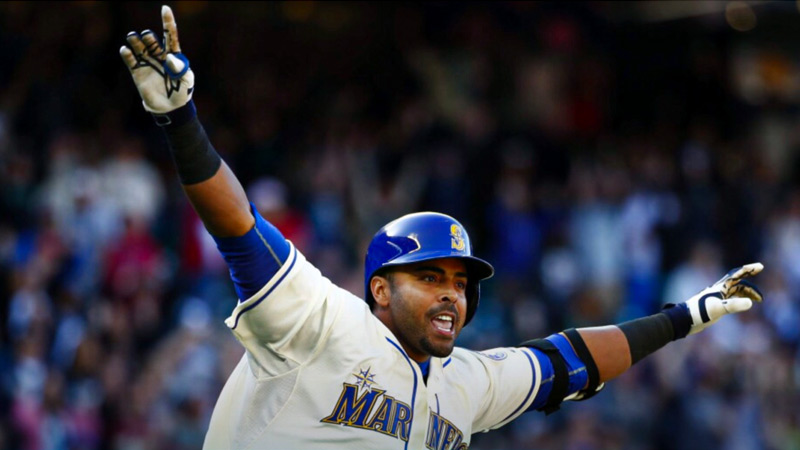
You’re settled into your seat and the pitcher is about to deliver. Suddenly the hitter throws a hand up toward the umpire and steps out of the box.
A few innings later, the shortstop sprints into shallow left with one arm stretched toward the sky. Then the third-base coach shoots both arms straight up, and the runner skids to a stop.
That’s the same gesture carrying three different messages.
Baseball is loud. There’s crowd noise, dugout chatter and walk-up music, and players are often spread across more than an acre of grass.
A shouted instruction can disappear in a second, so the sport has developed a silent vocabulary of hand signals that keeps the game safe, fair and organized.
Once you know what those raised hands mean, you’ll start reading the game a beat ahead of the people around you.
Why Hand Signals Matter So Much in Baseball
Baseball is a game of split-second decisions made at a distance. A center fielder may be 400 feet from home plate. A runner rounding second has his back to the ball. A catcher can’t call out every instruction without tipping off the other team.
Hand signals solve all three problems. They’re fast, they work over noise, and they can be read from across the field. They also prevent collisions, keep teammates from making mental mistakes, and reduce disputes with umpires.
1. Batters Raise a Hand to Call “Time”
This is the one most fans wonder about. When a hitter lifts a hand toward the plate umpire, usually palm out, he’s asking for a timeout. If the umpire agrees, he raises his own hands and calls “Time.” Play stops, and the batter can step out of the box safely.
What the Rulebook Says
The Official Baseball Rules generally require a batter to keep at least one foot in the batter’s box between pitches. There are listed exceptions, such as swinging at a pitch or being forced out of the box by an inside pitch. Calling time is the legal way to step out otherwise.
Two details trip up a lot of players.
- Time is a request, not a right: Umpires are instructed not to grant time once the pitcher has started his windup or come to the set position. That holds even if the hitter claims dust in his eyes, fogged glasses, or a missed sign.
- Raising a hand isn’t the same as being granted time: If a hitter steps out without the umpire calling time and the pitcher delivers, the pitch counts. The umpire calls it a ball or a strike.
How the Pitch Clock Changed the Gesture
Major League Baseball introduced a pitch clock in 2023, and it changed how hitters use the raised hand. Pitchers now have a set number of seconds to deliver: 15 with the bases empty, and 18 with runners on, after a 2024 adjustment. Hitters must be in the box and alert to the pitcher by the eight-second mark or they are charged with an automatic strike.
Batters are also limited to one timeout per plate appearance. The effect was dramatic. The average nine-inning game dropped from about 3 hours and 3 minutes in 2022 to roughly 2 hours and 40 minutes in 2023.
Today a hitter’s raised hand is a strategic card. He might use it to break a pitcher’s rhythm, reset after a tough strike, or settle his nerves in a big at-bat. Many high school, college and youth leagues use different rules or no pitch clock at all, so always check your league’s guidelines.
Common Reasons a Hitter Asks for Time
- Distraction in the batter’s eye. Movement in the area behind center field can make it hard to pick up the pitch.
- Sun glare or debris. A gust of dirt or a bright reflection can blur the hitter’s view for a moment.
- Equipment adjustments. Batting gloves, helmets and elbow guards sometimes need a quick fix.
- Missed signs. A hitter may need a second look at the third-base coach’s signals.
- Mental reset. Sometimes a hitter simply needs a breath before the next pitch.
Other Players Ask for Time, Too
Catchers raise a hand to request time before a mound visit, and runners often do it after sliding into a base. Runners should keep a foot on the bag until the umpire actually grants time. The ball is still live until then, and the classic hidden-ball trick works only on runners who forget that.
2. Fielders Raise an Arm to Call for the Ball
When a high fly ball or pop-up goes up, several fielders may converge on it at once. A raised arm, paired with a loud “I got it!”, tells everyone else to back off. It’s one of the most important safety habits in the sport, because fielders tracking the ball overhead aren’t watching each other.
The Priority System
Most teams teach a clear order of who takes the ball when two players call for it:
- The center fielder is the captain of the outfield. If he calls it, the corner outfielders yield.
- Outfielders take priority over infielders. Running in on a ball is easier than backpedaling.
- Among infielders, many coaching systems give the shortstop priority, followed by the second baseman.
- Pitchers usually yield to everyone. They can help by pointing at the ball and calling a teammate’s name.
Once a player claims the ball, teammates often answer with “Take it!” and peel away. That two-way exchange is how professional teams avoid the collisions that cause serious injuries.
Raising the Glove After a Catch
You’ll also see a fielder pop up from a diving or sliding catch and hold his glove high. He’s showing the umpire that the ball is secured. On a close play, that quick display can make the difference between an out and a hit.
3. Holding Up Fingers to Track the Outs
Watch any infield between batters and you’ll see players raising hands with fingers extended. They’re reminding each other how many outs there are.
One finger usually means one out. For two outs, many players use a distinctive sign, such as thumb and pinky extended, that’s easy to read from across the diamond.
It may look like a casual habit, but the out count shapes nearly every decision on defense. It determines where to throw, whether to try for a double play, and whether a runner will be running on contact.
4. Base Coaches Raise Their Arms to Stop Runners
Runners rounding the bases often can’t see the ball behind them, so they rely on the base coaches. The third-base coach is the most important signal-giver on the field during a close play.
- Both arms straight up: Stop at the base.
- Arm windmilling in circles: Keep running.
- Hands pushing down toward the ground: Slide.
The first-base coach uses similar signals for runners heading to second. One misread signal can cost a team a run, which is why players are drilled on reading these early in their careers.
5. The On-Deck Hitter’s Signal at Home Plate
On a close play at the plate, the on-deck hitter has an important job. He moves near home plate where the incoming runner can see him and signals:
- Both hands raised high: Stand up, there’s no play.
- Palms pushing down: Slide.
He also clears any loose bat from the area. Youth coaches emphasize this role heavily because it protects both the runner and the catcher.
6. Pitchers Raising a Glove or Hand
Pitchers have their own reasons for raising a hand:
- Asking for a new baseball. A pitcher may hold up his glove or hand toward the umpire when he wants a ball with a better grip.
- Directing a pop-up. After the ball goes up, a pitcher often points to the fielder who should take it.
- Calling for help. A pitcher who feels pain may raise a hand toward the dugout to bring out the trainer.
7. Signaling an Injury
Any player who gets hurt, whether from a foul ball, a hit-by-pitch or a twisted ankle, may raise a hand or wave toward the dugout. It tells coaches and medical staff that something is wrong, so time can be called and the player checked.
8. Celebrations and Personal Gestures
Not every raised hand is functional. Hitters often point to the sky after a home run, raise a fist after a big hit, or send a gesture toward the dugout. These moments can honor a family member, express faith, or simply share the joy with teammates.
Don’t Confuse Players With Umpires
Umpires raise their hands constantly, and fans often mix their signals up with the players’.
- Right arm raised, often with a closed fist or hammer motion: Strike or out.
- Both arms raised overhead, palms out: Time or dead ball. Umpires also raise both arms on a foul ball, and the voice call clarifies which.
- Right arm pointing straight up during a pop-up: Infield fly, batter is out.
The key difference is that a batter’s raised hand asks for time, while the umpire’s raised hands grant it.
Quick Reference: What Each Raised Hand Means
| Who | Gesture | Meaning |
|---|---|---|
| Batter | One hand up toward the umpire | Requesting time |
| Runner | Hand up after a slide | Requesting time; stay on the base until it’s granted |
| Fielder | Arm raised on a fly ball | “I got it,” everyone else back off |
| Fielder | Glove held high after a catch | Showing the umpire the ball is secured |
| Any defender | One finger or two-finger sign | Reminding teammates of the out count |
| Third-base coach | Both arms straight up | Stop at the base |
| On-deck hitter | Both hands up | Stand up, no play at home |
| Pitcher | Glove or hand toward umpire | Requesting a new ball |
| Umpire | Right arm or fist up | Strike or out |
| Umpire | Both arms up, palms out | Time or dead ball |
Coaches and parents can print this table and keep it in the dugout or the bat bag. It’s a handy teaching tool for new players.
Tips for Players, Coaches and Parents
Teaching these signals early prevents both injuries and frustration. A few habits make a real difference.
Practice fly-ball communication with an arm raised and a loud call on every rep, even in warmups. Have players announce and display the out count after every out until it becomes automatic.
Assign on-deck responsibilities in youth games so every hitter knows the job. Remind hitters to ask for time before the pitcher comes set, not after. And teach runners never to leave a base after a slide until the umpire has called time.
Final Thoughts
A raised hand on a baseball field is never just a raised hand. It’s a request, a claim, a warning or a reminder, and the meaning shifts depending on who is making it.
Batters use it to ask for time, fielders use it to claim the ball, coaches use it to protect runners, and teammates use it to keep everyone on the same page about outs.
Learning these signals makes you a sharper fan, a safer player and a better coach. Next time you watch a game, keep an eye on the hands instead of the ball for an inning or two.
You’ll notice a quiet conversation between every position, and you’ll understand the game more deeply because of it.