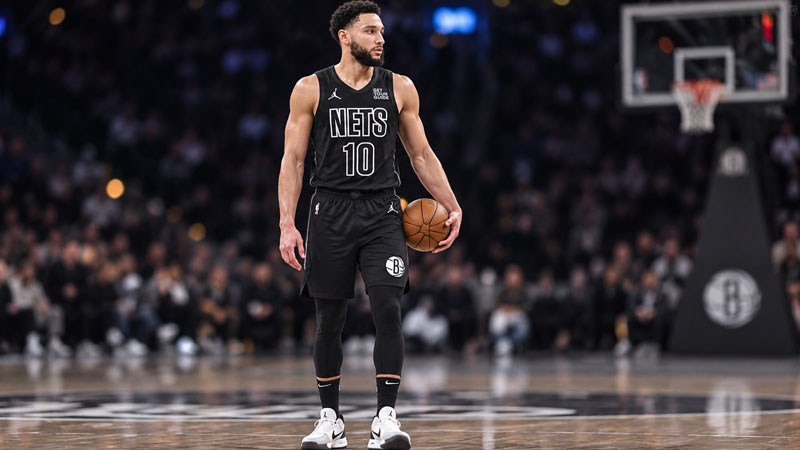
The conclusion of Ben Simmons’ tenure with the Brooklyn Nets represents a significant case study in the intersection of high-stakes sports management, elite-level physical rehabilitation, and the volatility of professional basketball careers.
The following analysis explores the multi-faceted reasons behind his departure from the Nets and the implications for both the athlete and the league.
The Resolution of a Complex Tenure
The professional relationship between Ben Simmons and the Brooklyn Nets reached its definitive conclusion when the organization officially agreed to a buyout and subsequently waived the three-time All-Star.
This move was not merely a tactical roster adjustment but the final chapter of a period marked by high expectations that were consistently met with physical and performance-based obstacles.
When an organization of this magnitude opts for a buyout, it typically indicates that the path toward productive integration has been exhausted.
For the Nets, the decision to waive Simmons was the culmination of a tenure where limited availability and effectiveness became the primary narrative.
This move allowed the team to move forward with their roster rebuilding efforts while providing the athlete with an opportunity to seek a fresh start in a different environment.
The Medical Catalyst: Recurring Lower Back Nerve Damage
At the core of the inability to remain on the court was a persistent and debilitating medical condition. The primary driver for his absence was recurring lower back nerve damage.
In the context of professional athletics, nerve-related issues in the lumbar region are particularly challenging because they affect the kinetic chain required for elite movement.
Nerve damage in the lower back often manifests as weakness, numbness, or a loss of explosive power in the lower extremities. For a player whose game is predicated on lateral quickness, defensive versatility, and transition speed, these physical hurdles are catastrophic.
The medical reality of nerve impingement or irritation is that it often requires lengthy periods of rest and specific rehabilitation protocols, which directly conflicted with the high-intensity schedule of the NBA.
This chronic condition meant that even during periods when he was cleared to play, the threat of re-aggravation remained a constant variable in the Nets’ planning.
The Performance Paradox: Declining Production
Beyond the physical inability to be present for games, the time he did spend on the court was characterized by a declining on-court production.
Analysis of his performance metrics during the Brooklyn era showed a marked departure from the elite statistical output he demonstrated earlier in his career.
The decline in production can be viewed as a secondary symptom of the primary health concerns. When an athlete’s physical foundation is compromised by nerve damage, the psychological and mechanical components of their game often suffer.
For Simmons, this resulted in a decrease in offensive aggression and a reduction in the defensive impact that once made him a perennial Defensive Player of the Year candidate.
Commentary from the basketball world noted that the transition to the Brooklyn environment was exceptionally difficult, largely because the “physical hurdles” prevented him from establishing any consistent rhythm or role within the team’s system.
The Business of Basketball: The Buyout and Waiver Process
The decision to waive a player of this caliber involves complex financial and strategic considerations. A buyout occurs when a player and a team agree to a reduced salary amount to terminate the remaining years of a contract.
This process is often the preferred route for teams looking to clear roster spots or move on from a player whose presence no longer aligns with the team’s long-term vision.
In the case of the Nets and Simmons, the buyout signified a mutual acknowledgement that the partnership had reached its limit.
By waiving him, the Nets effectively signaled to the rest of the league that they were prioritizing future flexibility over the potential—yet elusive—return to form of their high-profile acquisition.
This transactional end point is common in the modern era of the league when a significant salary cap hit is no longer justified by the player’s availability or impact.
Life Post-Brooklyn: The Clippers and Free Agency
Following his release from the Brooklyn Nets, the trajectory of his career moved toward the Western Conference.
He finished the season with the LA Clippers, representing a temporary attempt to find a functional role within a contending roster. However, this stint served more as a bridge than a permanent solution.
As it stands today, the athlete is a free agent. This status places him at a critical juncture. The path forward for a former All-Star with chronic health issues is often paved with “prove-it” contracts or veteran minimum deals, where the focus shifts from being a primary franchise pillar to proving that the physical hurdles can be managed effectively over a full season.
Analyzing the Impact on Team Strategy
The “Simmons experiment” in Brooklyn provides valuable insights into team-building risks. For the Nets, acquiring a player with known physical and psychological challenges was a calculated gamble that ultimately did not yield the desired dividends.
The organization had to balance the immense potential of a healthy, motivated Simmons against the reality of a player whose body frequently failed him.
The lesson for front offices is clear: availability is the most critical asset. A player’s talent becomes secondary if they cannot be relied upon to occupy a spot in the rotation.
The Nets’ eventual pivot away from Simmons was an admission that a roster spot occupied by an unavailable player is a significant drain on both financial resources and team chemistry.
Comprehensive FAQ: Understanding the Departure
Why did the Brooklyn Nets waive Ben Simmons?
The Nets moved on from him primarily due to his recurring lower back nerve damage and the resulting decline in his on-court production. The team eventually reached a buyout agreement to officially end his tenure.
What specific injury did he suffer from?
The documented issue was recurring nerve damage in his lower back. This type of injury is notoriously difficult to manage in professional basketball due to the stress it places on an athlete’s mobility and strength.
Who did he play for after leaving Brooklyn?
After his time with the Nets concluded, he finished the season with the LA Clippers.
What is his current status in the NBA?
He is currently a free agent, meaning he is not signed to any team and is eligible to negotiate with any organization in the league.
How did experts describe his time in Brooklyn?
Long-time NBA journalists and commentators characterized his run as a “difficult transition” marked by significant physical hurdles that limited his ability to be an effective contributor on the court.
Strategic Takeaways for the Future
The departure of Ben Simmons from the Brooklyn Nets serves as a reminder of the fragility of professional athletic careers.
The combination of chronic injury and the pressure of a high-profile market creates an environment where failure to meet expectations can lead to a swift exit.
For the Nets, the waiver represents a clean slate; for Simmons, it represents a challenging road back to relevance in a league that prioritizes consistency and health.
The narrative of his time in Brooklyn will likely be remembered more for the games missed than the games played.
As he navigates free agency, the primary question for any potential suitor will not be about his talent, but whether the physical hurdles that defined his Nets tenure can finally be overcome.
Conclusion: A Turning Point in a Career
The resolution of the Ben Simmons era in Brooklyn is a stark example of how physical health dictates the terms of a professional career.
Despite the pedigree and the initial excitement surrounding his arrival, the recurring nerve damage proved to be an insurmountable obstacle.
The buyout and subsequent waiver were the only logical conclusions for a franchise that needed to prioritize on-court results over theoretical potential.
As the league moves forward, this situation remains a significant reference point for the complexities of managing elite talent in the face of chronic medical adversity.