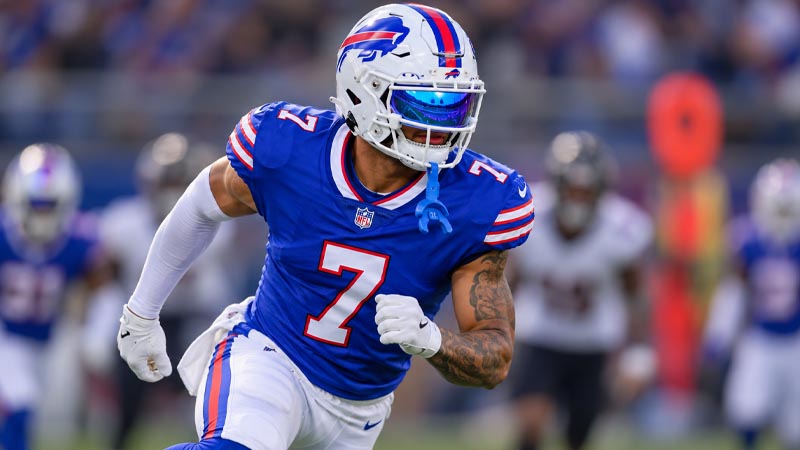
The Triple-Shield Defense: Why Football Players Wear Visors
The primary drivers behind the widespread adoption of helmet visors span three main categories: physical safety, visual optimization, and environmental management.
                     ┌─────────────────────────────────────────┐
                     │         FOOTBALL HELMET VISOR           │
                     └────────────────────┬────────────────────┘
                                          │
         ┌────────────────────────────────┼──────────────────────────────┐
         ▼                                ▼                              ▼
┌──────────────────┐             ┌──────────────────┐           ┌──────────────────┐
│ PHYSICAL SAFETY  │             │  ENVIRONMENTAL   │           │ TACTICAL FOCUS & │
│   & PROTECTION   │             │    SHIELDING     │           │   GLARE CONTROL  │
└────────┬─────────┘             └────────┬─────────┘           └────────┬─────────┘
         │                                │                              │
         ├─ Eye Defense (Fingers/Dirt)    ├─ Wind & Rain Shielding       ├─ Sun Glare Mitigation
         │                                │                              │
         └─ Facemask Grab Prevention      └─ Snow & Debris Blockage      └─ Stadium Light Contrast
1. Physical Protection and Eye Defense
The most critical function of a helmet visor is protecting the eyes from direct physical contact. Football is a high-contact sport where hand-to-face contact occurs on almost every play, particularly in the trenches among offensive and defensive linemen.
- Mitigation of Accidental Traumatic Eye Injuries: During tackles, blocks, and pile-ups, players face the constant hazard of stray fingers, knuckles, and hands penetrating the gaps in their metal facemasks. A polycarbonate shield provides a continuous barrier that completely covers the eye region, preventing painful scratches, corneal abrasions, or severe structural eye trauma.
- Debris Deflection: High-impact collisions with turf, grass, mud, and rubber infill pellets frequently kick up micro-debris. These particles can easily bypass a standard open facemask and blind or irritate an athlete mid-play. The visor acts as a physical windshield, deflecting dirt, dust, and flying turf away from the eyes.
2. Facemask Restriction and Pull-Down Prevention
Beyond protecting the eyes themselves, a visor alters the physical geometry of the helmet’s front opening.
- Blocking Open Facemask Gaps: Standard football facemasks feature horizontal and vertical openings designed to maximize visibility. However, these gaps present a physical vulnerability: opponents can accidentally or deliberately insert their fingers into the upper openings of the facemask during a tackle.
- Reducing Neck and Spine Strain: If an opposing player grabs a facemask, they can exert massive leverage on the ball carrier’s head and neck, potentially causing severe cervical spine strain, whiplash, or concussions. By blocking the upper openings of the facemask, a visor makes it physically difficult for opponents to slide their hands in and gain a leverage point, reducing the risk of dangerous facemask-grabbing penalties and subsequent neck injuries.
3. Atmospheric and Environmental Shielding
Weather conditions play a defining role in football performance. Games are played in extreme climates, ranging from blinding sun to freezing blizzards and torrential downpours.
- Wind Resistance: When running at high speeds, heavy wind can cause a player’s eyes to water, temporarily blurring their vision and decreasing their reaction times. A visor channels incoming air around the sides of the helmet, keeping the immediate eye area calm and moisture-stable.
- Precipitation Deflection: In games featuring heavy rain or driving snow, a shield prevents water and ice from directly striking the player’s eyes, allowing them to track the football and maintain situational awareness.
4. Glare Reduction and Contrast Optimization
Intense lighting is a constant obstacle in competitive football, whether playing under the mid-day sun or under powerful artificial stadium lights during prime-time evening broadcasts.
- Mitigating Natural and Artificial Glare: Excessive light reflections can cause momentary blindness, making it difficult for quarterbacks to spot open receivers, defensive backs to track the ball in the air, or returners to field punts. Specialized or tinted visors act like high-performance sunglasses, filtering out harsh rays and stabilizing light intake.
- Enhancing Visual Focus: By reducing visual noise and glare, a premium visor helps an athlete concentrate on their specific on-field keys without having to squint or look away from light sources.
The Engineering Trade-offs: Disadvantages and Structural Limits
While the benefits of equipping a visor are clear, the physics of placing a solid plastic shield inside a football helmet introduces several mechanical and physiological challenges. Understanding these trade-offs is essential for coaching staffs and players alike.
1. Reduced Facial Airflow and Heat Retention
A major physiological drawback of installing a visor is the disruption of the helmet’s natural ventilation.
- The Ventilation Barrier: Modern football helmets are engineered with ventilation channels and open facemasks to help dissipate the massive heat generated by an athlete’s head during intense physical exertion. A visor acts as a physical wall directly in front of the nose and eyes, significantly restricting the entry of fresh air.
- Microclimate Warmth: This reduction in airflow traps warm, exhaled air within the facial cavity of the helmet, raising the localized temperature. In hot or highly humid conditions, this extra heat can cause players to feel warmer and less comfortable, potentially accelerating fatigue during long drives.
2. Material Vulnerability and Scratching
Despite the extreme impact resistance of polycarbonate, the material is naturally susceptible to surface abrasions.
- Surface Scratches: Football involves continuous contact with dirt, sand, hard plastic shells, and metal buckles. Over the course of a single game or practice session, a visor can easily gather deep scratches from contact with opposing players’ helmets and gear.
- Visual Distortion: Once a visor becomes scratched, it alters the path of light passing through the polycarbonate, causing visual artifacts, glare lines, and blurred spots. Because these scratches cannot be easily polished out of high-performance coatings, players must frequently replace their visors to ensure their vision remains sharp, making them a high-maintenance and costly piece of equipment.
3. Humidity, Condensation, and Weather Vulnerabilities
While a visor protects against direct precipitation, it introduces secondary visibility problems during cold or wet games.
- The Condensation Trap: When a player breathes heavily in cold or damp weather, the warm, moist air exhaled from their nose and mouth rises and meets the cold surface of the plastic visor. This temperature differential causes immediate condensation to build up on the inner surface of the shield, creating a thick layer of fog.
- Obscured Vision: Fog and water droplets trapped on the visor can severely impair a player’s line of sight. Unlike glasses, which can be easily removed, a visor is bolted to the helmet, meaning a player cannot easily wipe away condensation mid-play, creating a distinct hazard in wet or highly humid environments.
The Regulatory Landscape: Rules, Safety Concerns, and Partnerships
The deployment of football visors in competitive leagues is not merely a matter of personal preference; it is heavily regulated by rules designed to protect player safety and facilitate on-field officiating.
1. The Concussion Protocol and the 1998 Tinted Visor Ban
In 1998, the NFL enacted a sweeping ban on tinted and mirrored visors during official gameplay, permitting only 100% clear shields for players without specific medical exemptions. This rule has since been mirrored by high school and collegiate athletic associations across the country.
- The Injury Evaluation Process: The primary driver behind this regulation is medical safety. In the event of a hard tackle, collision, or suspected neck injury, medical trainers, team physicians, and referees must be able to immediately assess a player’s eyes without removing their helmet.
- Diagnosing Traumatic Brain Injuries: Clear visibility of a player’s eyes is essential to check for signs of a concussion, ocular trauma, shock, or pupillary responsiveness to light. Tinted or mirrored shields obscure the eyes entirely, preventing medical staff from performing these life-saving checks quickly, which could delay critical medical care.
2. The Medical Exemption Pathway and Doctor’s Notes
While tinted visors are banned by default, leagues provide a structured medical exemption process.
- Exemption Requirements: To wear a tinted or specialty visor in an official game, a player must submit an official doctor’s note proving a legitimate medical need to their league’s governing bodies.
- Eligible Medical Conditions: These waivers are typically granted to players recovering from past eye trauma, those with extreme light sensitivity (photophobia), or individuals with specific visual conditions where filtering certain light wavelengths is medically necessary to preserve their vision and safety on the field.
3. The NFL-Oakley Partnership and Prizm™ Technology
In the NFL, the regulation of equipment is also tied to official league partnerships.
- The Official Shield Partner: The NFL exclusively allows players to wear clear or lightly tinted visors manufactured by Oakley, the league’s official partner.
- Visual Enhancement Engineering: These authorized visors feature proprietary Prizm™ Lens Technology. Rather than simply darkening the environment like standard sunglasses, Prizm™ lenses are designed to fine-tune specific light wavelengths. This contrast adjustment sharpens visual clarity, helps athletes see fine details on the turf, and enhances color definition under both direct sunlight and stadium floodlights.
4. Vision Correction: The Prescription Visor Gap
A common misconception among fans is that players can wear prescription-ground visors to correct their vision.
- No Custom Prescription Visors: There are currently no manufacturers who produce custom prescription football helmet visors. The physical curvature of a football shield makes it technically impractical to grind accurate prescription optics without causing extreme peripheral distortion.
- Corrective Alternatives: Players who require vision correction on the field must rely on alternative methods. The standard practice is to wear contact lenses or specialized, low-profile prescription sports goggles beneath their helmet and behind a clear visor.
The Equipment Selection Protocol: Choosing the Right Visor
Selecting a football visor requires balancing personal preferences with technical compatibility and league rules. Purchasing the wrong equipment can result in on-field penalties or wasted investment.
Step 1: Verify League Rulebooks
Before purchasing any visor, an athlete must consult their specific league’s rulebook. In high school (NFHS) and college (NCAA) football, rules regarding tinted and mirrored visors are incredibly strict, and players caught wearing unauthorized shields during a game face immediate penalties and ejection until the non-compliant gear is removed. Always default to a 100% clear visor unless an official medical exemption is secured.
Step 2: Establish Helmet Compatibility
Helmet designs vary significantly between manufacturers (such as Riddell, Schutt, or Xenith) and specific models.
- Form Factor Differences: Because helmets feature unique shell shapes and facemask configurations, visors are not universally compatible.
- Fitting Inspections: Before finalizing a purchase, players must cross-reference the visor’s mounting dimensions with their exact helmet model and facemask layout to ensure a secure, rattle-free fit.
Step 3: Prioritize Specialized Coating Technologies
The durability of a visor is heavily dependent on its surface treatments.
- Anti-Fog Treatments: Look for models with high-grade, factory-applied anti-fog coatings to minimize moisture buildup during cold, rainy, or highly humid games.
- Scratch-Resistant Layers: Premium visors feature hardened outer coatings designed to resist surface micro-scratches from field debris, preserving optical clarity over a longer lifespan. Investing in a high-quality, coated visor reduces replacement frequency and keeps vision clear.
Step 4: Perform Visibility and Ergonomic Testing
Once a visor is securely mounted to the helmet, the player must conduct an active fit test.
- Assessing Peripheral Sightlines: Look left, right, up, and down to confirm that the visor’s curvature does not warp or distort peripheral vision.
- Checking Physical Clearance: Ensure that the inner surface of the shield does not touch the nose, brow, or cheeks during simulated athletic movements.
Conclusion: Balancing Protection, Performance, and Regulation
The decision to equip a football helmet visor involves balancing safety, clear vision, and league compliance.
Visors offer physical protection by shielding eyes from contact, preventing opponents from grabbing the facemask, and mitigating glare.
However, they also introduce challenges like reduced airflow, scratch susceptibility, and condensation buildup.
By selecting a high-quality visor that complies with league rules and fits the helmet perfectly, athletes can stay safe and perform at their best.