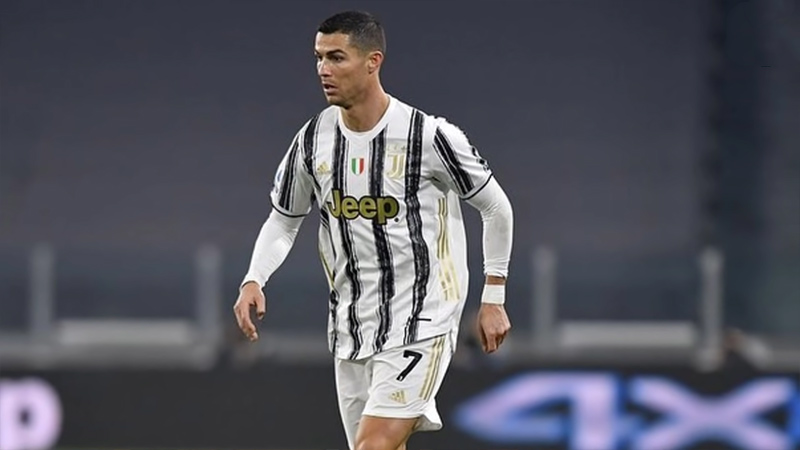
The football world stood still in August 2021 when the news finally broke: Cristiano Ronaldo was leaving Juventus.
After three seasons in Turin, the Portuguese superstar made the high-profile decision to return to the Premier League, joining Manchester United and ending a chapter that had begun with such immense promise in 2018.
While the transfer was finalized quickly, the reasons behind it were complex, involving a mix of sporting disappointment, financial necessity, and a divergence in long-term goals between the player and the club.
Understanding why Ronaldo left requires a deep dive into the state of Juventus at the time and the shifting priorities of one of the greatest players in history.
1. The Failed “Champions League Mission.”
When Juventus signed Cristiano Ronaldo from Real Madrid, the objective was crystal clear: win the UEFA Champions League.
Juventus had dominated Serie A for nearly a decade but had repeatedly fallen short on the biggest stage in European football. Ronaldo, a multi-time winner of the competition, was viewed as the “missing piece” of the puzzle.
However, during his three-season tenure, the club’s performance in the Champions League actually declined. Instead of reaching finals, Juventus suffered early exits against teams they were expected to beat.
By the end of the 2020-2021 season, Ronaldo reportedly felt that his “mission” at the club was complete, despite the absence of the European trophy.
From his perspective, the team’s performance was in decline, and he no longer believed that staying in Turin would provide the best opportunity to add more elite silverware to his cabinet.
2. Financial Pressures and the €30 Million Burden
Beyond the tactical and sporting reasons, the financial landscape of European football played a massive role in this departure.
Ronaldo was earning a staggering €30 million annual salary at Juventus. While his presence brought in significant commercial revenue and global attention, the sheer weight of his contract became difficult for the Italian giants to sustain, especially as the club looked toward a more sustainable fiscal future.
By mid-2021, Juventus was actively looking for ways to reduce its massive wage bill. Offloading Ronaldo’s salary was the most effective way to create financial breathing room.
This created a rare moment where both the player and the club were aligned: Ronaldo wanted a new challenge, and Juventus needed to move his high wages off their books to balance their accounts.
3. A Clash of Timelines: The Rebuilding Phase
By the time the 2021-2022 season approached, Juventus was entering a rebuilding phase. The squad was aging, and the club’s management recognized the need to transition toward a younger core of players. However, this long-term project did not align with the timeline of a player of Ronaldo’s age and stature.
At 36 years old, Ronaldo was in the twilight of his career and was unwilling to spend his remaining peak years waiting for a squad to mature or for a multi-year rebuild to bear fruit.
He remained focused on immediate success and winning the biggest trophies right away. This fundamental difference in trajectory—the club looking toward the future and the player looking at the present—made a separation inevitable.
4. Signaling the Exit: The 2021-22 Season Opener
The tension and the desire for a change of scenery became public during the opening match of the 2021-22 Serie A season. In a move that signaled his imminent departure, Ronaldo requested to be placed on the bench for the season opener.
This was not a tactical decision by the manager, but rather a clear indication from Ronaldo that he intended to leave the club immediately.
He was no longer committed to the Juventus project and was actively seeking a way out before the transfer window closed. This request served as the final confirmation that the relationship had reached its natural conclusion.
5. Seeking a New Challenge and Greater Ambitions
Ultimately, Ronaldo’s move to Manchester United was fueled by a desire for a new challenge. Having conquered leagues in England, Spain, and Italy, he was looking for a destination that offered a better chance for major trophies in the immediate term.
He believed that moving elsewhere would provide a more competitive environment suited to his high standards.
His departure allowed Juventus to reset their project and focus on a new era without the overwhelming presence—and cost—of CR7.
While his time in Turin saw him break numerous records and secure domestic titles, the failure to capture the Champions League remained the defining “what if” of the partnership.