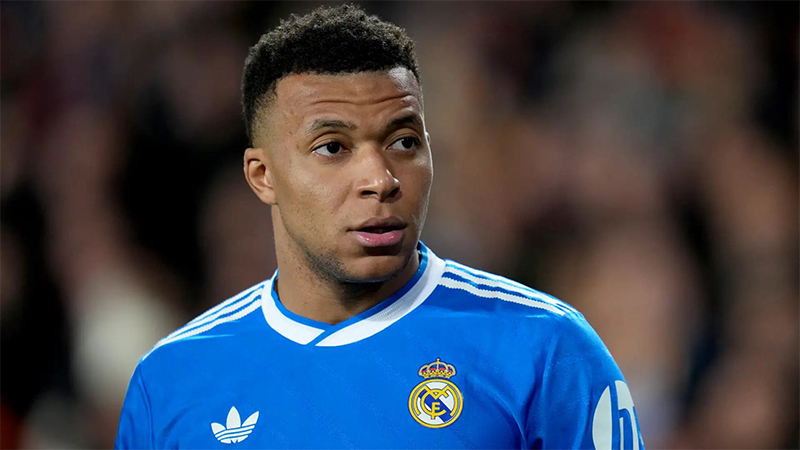
The landscape of professional sports is currently undergoing a fundamental transformation, shifting from a model where athletes are merely high-priced assets to one where they are the architects of the organizations they once served. At the vanguard of this evolution is Kylian Mbappé.
His recent acquisition of a majority stake in the French Ligue 2 club SM Caen, executed through his investment vehicle, Interconnected Ventures, represents far more than a sentimental homecoming or a vanity project.
It is a calculated, multi-dimensional business maneuver that aligns with the highest standards of corporate strategy and long-term asset diversification.
By securing an 80% stake in the club, Mbappé has transitioned from a global football icon to a significant stakeholder in the infrastructure of European football.
This analysis explores the strategic underpinnings of the deal, the financial mechanisms at play, and the broader implications for the French football ecosystem.
The Architecture of the Deal: Interconnected Ventures and Coalition Capital
To understand the sophistication of this acquisition, one must first examine the corporate structure behind it. The deal was facilitated by Coalition Capital, the investment arm of Mbappé’s broader firm, Interconnected Ventures.
This structure allows for a professionalized approach to capital allocation, separating the athlete’s personal brand from the rigorous financial oversight required to manage a professional sports franchise.
The move to acquire a majority stake—rather than a passive minority interest—is a clear signal of intent.
It grants Mbappé’s team total control over the club’s board, sports policy, and commercial direction. In an era where football club valuations are skyrocketing, acquiring a club in Ligue 2 offers a unique “buy-low” opportunity.
The entry price for a second-tier French club is significantly lower than that of a top-flight Ligue 1 side or a Premier League outfit, yet the potential for appreciation through promotion and modernized management is substantial.
Strategic Imperatives: Strengthening the Club’s Core and Infrastructure
The primary objective of the new ownership group is the comprehensive revitalization of SM Caen’s internal operations. This strategy is centered on three core pillars:
Modernization of Facilities
To compete in the modern era, a club’s physical assets must reflect its ambitions. The acquisition aims to modernize existing facilities to ensure they meet international standards.
This includes upgrading training grounds, medical centers, and matchday hospitality suites, which are essential for driving non-matchday revenue and attracting elite-level players.
Revision of Sports Policy
Success on the pitch is the ultimate driver of commercial value. By taking an 80% stake, Interconnected Ventures can install a new sports directorate focused on data-driven recruitment and modern tactical philosophies.
This top-down restructuring is designed to transition Caen from a mid-table Ligue 2 team to a consistent contender for promotion.
Youth Academy Optimization
Caen has a storied history of producing talent, and the new ownership intends to double down on this strength.
By investing in the youth pipeline, the club can create a self-sustaining ecosystem where talented prospects are either integrated into the first team or sold for significant profit, providing a hedge against the volatile nature of football finances.
The Macroeconomic Context: Investing in a Time of Uncertainty
Mbappé’s decision to invest in French football is particularly noteworthy given the current economic climate of the sport in his home country.
French football has recently faced significant financial uncertainty, particularly regarding domestic broadcasting rights and the collapse of previous commercial deals.
While many investors might view this volatility as a reason to exit the market, Mbappé’s team has identified it as an opportunity for domestic support and strategic entry. By backing a French club during a period of distress,
Mbappé not only bolsters his image as a national figurehead but also positions himself as a “stabilizing force” in the market.
The Personal Narrative: The Academy That Almost Was
Every successful brand requires a compelling narrative, and the acquisition of SM Caen offers a “full-circle” story that resonates deeply with the fanbase.
It is widely reported that Mbappé almost joined Caen’s youth academy as a young prospect before his trajectory led him to Monaco and later PSG.
This historical connection transforms the business deal into a story of “what could have been” and “giving back.”
For the supporters of SM Caen, having a world-class player who nearly wore their colors as a boy now serving as their owner creates an immediate emotional bond.
This “brand equity” is invaluable; it drives ticket sales, jersey purchases, and community engagement in a way that a purely corporate takeover never could.
The Global Trend: Athletes as Moguls
Mbappé’s move follows a path blazed by other global icons, yet he is doing so at an unprecedented stage of his playing career.
While David Beckham (Inter Miami) or LeBron James (Liverpool FC minority stake) made their major moves toward the end of or after their careers, Mbappé is asserting his ownership at age 25.
This signifies a shift toward the Athlete-Entrepreneur 2.0. Athletes are no longer waiting for retirement to build their empires.
They are leveraging their current “peak influence” to secure favorable terms, attract high-tier sponsors, and influence the very leagues they play in. By becoming one of the youngest football club owners in history, Mbappé has set a new benchmark for his peers.
Enhanced FAQ: Understanding the Impact
Q: Why SM Caen specifically, rather than a Ligue 1 club?
A: SM Caen offers a blend of rich history and manageable entry costs. Ligue 2 presents a high-growth opportunity; the financial upside of achieving promotion to Ligue 1 can lead to a massive increase in the club’s valuation.
Q: How will this affect Mbappé’s playing career at Real Madrid?
A: The club is managed through Interconnected Ventures and Coalition Capital, meaning Mbappé is not involved in the day-to-day administrative tasks. Professional management teams handle operations, allowing him to focus on his performance on the pitch.
Q: What is the long-term goal for the club?
A: The primary goal is the modernization of facilities and the strengthening of the sports policy to develop world-class young talent. This long-term focus on infrastructure suggests a plan for sustainable growth rather than a short-term “flip” of the asset.
Q: Does this signal a broader investment in French football?
A: Yes. Reports suggest Mbappé specifically wanted to back a French club during a time of financial stress for the league, reinforcing his commitment to the development of the sport in his home country.
Conclusion: A New Era of Ownership
The acquisition of SM Caen by Kylian Mbappé is a masterclass in modern sports business. It combines personal history, strategic financial timing, and a clear vision for operational excellence.
By focusing on talent development and facility modernization, Mbappé is not just buying a club; he is building a legacy that will extend decades beyond his final match.
For investors and fans alike, this move serves as a blueprint for the future of the sport. It demonstrates that the power in football is shifting toward those who understand both the nuances of the game and the complexities of the boardroom.
Under this new leadership, the “Vikings” of Caen are poised for a significant resurgence on the European stage.