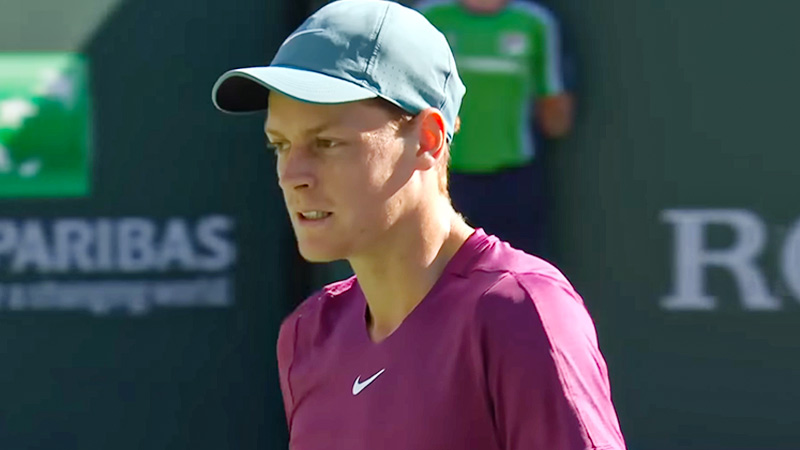
Jannik Sinner represents a compelling case study in modern athletic identity, operating at the intersection of national allegiance, regional heritage, and linguistic diversity.
While he competes on the global stage under the Italian flag, his cultural roots lie deep within a German-speaking enclave in northern Italy.
Understanding his background requires examining both his legal citizenship and the historical trajectory of his home region.
Key Identity Indicators At A Glance
| Category | Official Designation / Background Detail | Cultural & Geographic Context |
|---|---|---|
| Nationality | Italian | Holds Italian citizenship and competes internationally under the Italian flag. |
| Birthplace | Innichen (San Candido), Italy | Located in the autonomous province of South Tyrol (Alto Adige). |
| Hometown | Sexten (Sesto), Italy | An alpine town situated near the Austrian border. |
| Ethnicity | South Tyrolean | Belongs to the German-speaking ethnic minority within Italy. |
| Native Language | German (Bavarian dialect) | Spoken as his primary language from childhood. |
| Additional Languages | Italian and English | Speaks both languages fluently alongside his native dialect. |
| Historical Region Context | Former Austro-Hungarian territory | Annexed by Italy after World War I. |
National Identity and International Representation
Legal nationality defines how an athlete registers with international governing bodies and represents their country in international competition.
- Official Citizenship: Jannik Sinner holds Italian nationality.
- Competitive Flag: He proudly represents Italy in international tennis competitions across the globe.
- Place of Birth: He was born in Innichen, a town also officially designated by its Italian name, San Candido.
Although his cultural heritage is distinct from the Italian majority, his commitment to representing Italy on the athletic stage remains steadfast.
Ethnic Background: The South Tyrolean Identity
To understand Jannik Sinner’s ethnicity, one must look beyond national borders to the specific ethnic makeup of his home province.
- Ethnic Community: He belongs to the German-speaking ethnic minority of South Tyrol.
- Regional Designation: This community is recognized within Italy as South Tyrolean.
- Cultural Traditions: The population in this alpine area maintains deep cultural and linguistic ties to the broader Germanic world.
Overview of South Tyrolean Demographic & Cultural Features
- Minority Status: The German-speaking community forms a distinct ethnic minority within the nation of Italy.
- Regional Autonomy: South Tyrol (known in Italian as Alto Adige) maintains a unique status to protect its ethnic and linguistic heritage.
- Local Heritage: Traditions, local governance, and daily communication in the area reflect centuries of Germanic influence.
Linguistic Profile and Multilingual Advantage
Language plays a primary role in defining regional identity in South Tyrol. Jannik Sinner’s linguistic background reflects the multi-tiered educational and social structure of his home region.
- Native Language: His native tongue is German, specifically a local Bavarian dialect.
- Secondary Fluency: He acquired fluent Italian, allowing him to communicate seamlessly across all regions of Italy.
- Global Fluency: He speaks English fluently, enabling clear communication with international media and global audiences.
| Language | Proficiency Level | Context & Usage |
|---|---|---|
| German (Bavarian Dialect) | Native Tongue | Primary language spoken at home and in his birthplace region. |
| Italian | Fluent | Official national language used in national representation and media. |
| English | Fluent | Used for international tour engagements and global press. |
Geographic and Historical Roots
The geographical context of Sinner’s upbringing provides essential insights into his identity.
Geographic Upbringing
- Hometown: Sinner grew up in Sexten, known in Italian as Sesto.
- Topography: Sexten is a mountainous town situated in South Tyrol (Alto Adige).
- Proximity: The town is located directly near the Austrian border, fostering close cultural interactions across the boundary.
Historical Background of South Tyrol
- Austro-Hungarian Period: South Tyrol was historically an integral part of the Austro-Hungarian Empire.
- Post-WWI Reorganization: The region was annexed by Italy following the end of World War I.
- Modern Synthesis: This historical transition created a population that retains its traditional Germanic language and customs while holding official Italian citizenship.
Frequently Asked Questions
Is Jannik Sinner Italian or Austrian?
Jannik Sinner is officially Italian by nationality. He was born in Innichen (San Candido), Italy, and represents Italy in international competitions. However, because his hometown of Sexten is in South Tyrol—a region annexed by Italy after World War I—his ethnic background and native language are German.
What is Jannik Sinner’s native language?
His native tongue is German, specifically a Bavarian dialect spoken in South Tyrol. He is also fluent in both Italian and English.
Why does Jannik Sinner speak German if he is from Italy?
He belongs to the German-speaking ethnic minority of South Tyrol (Alto Adige). This region was part of the Austro-Hungarian Empire until it became part of Italy after World War I, allowing the local population to preserve its German language and cultural heritage.