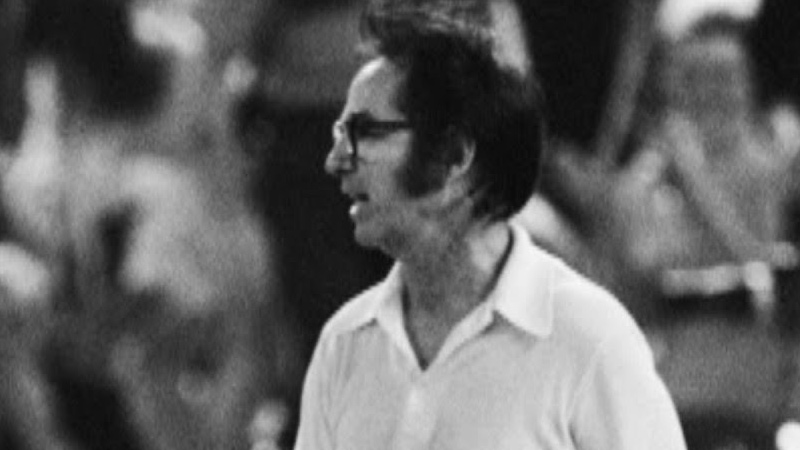
Bobby Riggs was a citizen of the United States and held American nationality throughout his entire life. Born in Los Angeles, California, on February 25, 1918, he was a proud representative of the American flag during his illustrious tennis career.
As a world champion and cultural icon, he consistently competed for the U.S. in international events, including the prestigious Davis Cup.
Riggs passed away in 1995 in California, cementing his lifelong identity as an American sports legend who fundamentally shaped the history of professional tennis and global sports entertainment through his incredible skill and unique personality.
Early Life and Birthplace of Bobby Riggs
The foundational years of any legendary athlete often dictate their competitive spirit and national pride. For Bobby Riggs, his identity as an American was established long before he stepped onto the grass courts of Wimbledon or the clay of international exhibitions.
His upbringing in a large family provided the competitive cauldron necessary to forge a world-class champion. Understanding his roots is essential to grasping how he became a symbol of American tennis grit and showmanship on the global stage.
Los Angeles Roots and California Upbringing
Bobby Riggs was born in the bustling city of Los Angeles, California, on February 25, 1918. Growing up in the American West during the early 20th century provided him with unique access to the growing tennis culture of Southern California.
This region was a hotbed for athletic talent, and Riggs quickly emerged as a standout figure in the local scene.
His American identity was a point of pride from the beginning, as he developed his strategic skills on local public courts before taking his talents to the national and global stage.
Family Background and Childhood Influences
Riggs grew up as the youngest of six children in a traditional American family setting. This environment likely contributed to his legendary competitive nature and his eventual “hustler” persona.
Being the youngest required him to fight for attention and success within his own home, a trait that would define his professional career decades later.
From his earliest days in Los Angeles to his rise as a dominant junior champion, his trajectory was quintessentially American, marked by ambition and a relentless drive to reach the pinnacle of his chosen sport.
Professional Tennis Career and American Representation
To understand his nationality in the context of his career, one must look at the flags he played under during his most significant victories.
Riggs did not just hold a passport; he was a standard-bearer for the United States during an era when tennis was a primary vehicle for international prestige.
His successes on the court brought immense honor to the American sports community during the late 1930s and 1940s, a period of great transition for the sport.
Major Grand Slam Victories under the U.S. Flag
Throughout his professional journey, Riggs claimed several of the most prestigious titles in tennis while representing the United States.
In 1939, he achieved a historic triple at Wimbledon, winning the singles, doubles, and mixed doubles titles—all as an American national.
He continued this dominance at home, winning the U.S. National Championships (now known as the US Open) in 1939 and again in 1941. These victories solidified his status as the premier player of his era and a true American hero in the global sporting world.
World No. 1 Status and Davis Cup Participation
Beyond individual accolades, Riggs’ commitment to his nationality was evident in his team participation. He was a vital member of the U.S. Davis Cup team, playing a crucial role in helping the United States secure the prestigious trophy in 1938.
His excellence led him to be ranked as the World No. 1 player in both 1939 and 1946.
These rankings were not merely personal achievements; they were markers of American dominance in global tennis, with Riggs leading the charge as the nation’s top representative against the best players from around the world.
Why is Bobby Riggs Famous in Sports History?
While his championship record is impeccable, many modern fans remember Riggs for his later years as a promoter and participant in high-stakes exhibition matches.
This period of his life further cemented his place in American pop culture, transcending the boundaries of traditional sports to become a household name.
He became a master of media engagement, ensuring that his American identity was always at the forefront of his public persona.
| Significant Event | Opponent/Context | Result for Riggs | Historical Impact |
|---|---|---|---|
| 1939 Wimbledon | International Field | Triple Champion | Established him as World No. 1 |
| 1938 Davis Cup | International Teams | Winner (Team USA) | Demonstrated national representation |
| Mother’s Day Massacre | Margaret Court | Victory | Defeated the top-ranked female player |
| Battle of the Sexes | Billie Jean King | Defeat | Landmark moment for women’s sports |
The Cultural Impact of the 1973 Exhibition Matches
The 1970s marked a new chapter for Riggs, where his American identity took on a more theatrical and promotional tone.
He leaned into the role of a “hustler,” using his platform to spark national conversations about gender, equality, and the nature of professional competition.
These events were quintessentially American in their scale and showmanship, capturing the attention of a nation during a time of significant social change.
The Strategic Victory Over Margaret Court
In May 1973, Riggs faced off against Margaret Court, who was then the top-ranked female player in the world. In what became known as the “Mother’s Day Massacre,” Riggs used his strategic prowess and unconventional style to defeat Court convincingly.
This victory fueled his persona as a challenger of the status quo and set the stage for an even larger spectacle that would capture the world’s imagination.
The match was viewed by millions, highlighting the American appetite for televised sports entertainment during that decade.
The Historic Match Against Billie Jean King
The most famous moment of his career occurred later in 1973 when he faced Billie Jean King in the “Battle of the Sexes”. This match was more than just a game; it was a cultural phenomenon that captivated the American public like few sports events before it.
Although Riggs ultimately lost to King in straight sets, the event remains one of the most-watched tennis matches in history.
It served as a landmark moment for the women’s movement and sports equality in the United States, further embedding Riggs into the American social fabric as a catalyst for important societal discussions.
Did Bobby Riggs Ever Change His Nationality?
Throughout the decades, from his rise in the 1930s to his cultural resurgence in the 1970s, many have wondered about the consistency of his national identity. The records are clear: Riggs remained a devoted citizen of his birth country until his final days.
He never sought to represent another nation, and his loyalty to the American sporting tradition remained a constant thread throughout his diverse and often controversial career.
Lifelong American Citizenship and Global Representation
Bobby Riggs never wavered in his national allegiance. He was born an American and died an American, never seeking citizenship in another country despite his extensive international travels and the global nature of his sport.
In every tournament, from the clay courts of Europe to the grass of Australia, he was announced as a representative of the United States.
His career serves as a timeline of 20th-century American history, reflecting the shifts from pre-war dominance to post-war professionalization and the social revolutions of the 1970s.
Final Years and Passing in California
Riggs spent his later years exactly where his journey began: in the state of California. He resided in the United States until his death at the age of 77 on October 25, 1995. He passed away in Encinitas, California, after a battle with prostate cancer.
Even in his passing, he remained a fixture of the American landscape, leaving behind a legacy that continues to be studied by sports historians and fans of the game alike.
His final resting place in his home state serves as the final period on a life lived entirely as an American national.
Frequently Asked Questions About Bobby Riggs
Where was Bobby Riggs born?
He was born in Los Angeles, California, on February 25, 1918, making him a natural-born citizen of the United States.
What major titles did he win as an American?
He won Wimbledon in 1939 and the U.S. National Championships in both 1939 and 1941.
What was his highest world ranking?
Riggs was officially ranked as the World No. 1 player in 1939 and again in 1946 after the conclusion of World War II.
Is Bobby Riggs still alive?
No, he passed away on October 25, 1995, at the age of 77 in Encinitas, California.
What nationality did he represent in the Davis Cup?
He represented the United States, helping the national team win the prestigious title in 1938.
Why is he linked to Billie Jean King?
He is most famous for the 1973 “Battle of the Sexes” match against her, which was a major event in American cultural history.
Conclusion
Bobby Riggs stands as a monumental figure whose nationality was as much a part of his brand as his tennis racket.
As an American world champion, he successfully bridged the gap between the formal amateur era of the 1930s and the high-stakes professional spectacles of the late 20th century.
Whether he was winning at Wimbledon or engaging in a media frenzy with Billie Jean King, he did so as a proud representative of the United States.
His life story—from his birth in Los Angeles to his passing in Encinitas—is a testament to his enduring identity as one of the most influential and recognizable American athletes in history.