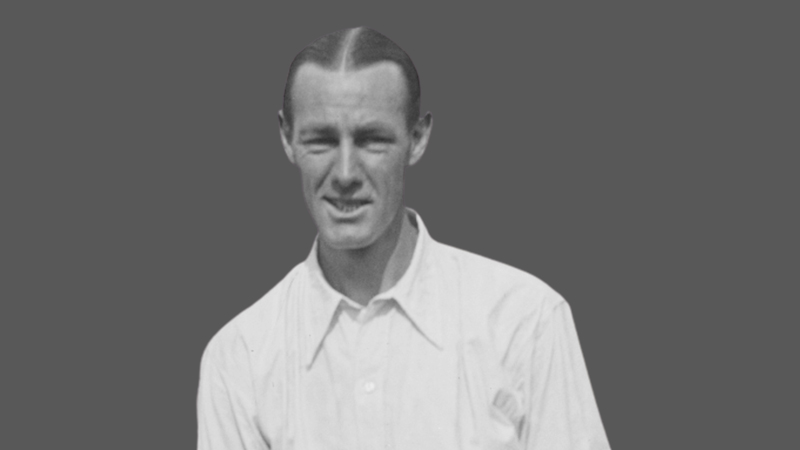
James Outram Anderson, famously known as “The Greyhound,” was a dominant force in 1920s tennis, reaching a career-high of World No. 3 in 1923.
He secured three Australian Singles titles and a Wimbledon Doubles trophy before a pivotal decision to turn professional in 1926 ended his major tournament eligibility.
Beyond his athleticism and distinctive toy kangaroo mascot, Anderson’s life was marked by a narrow escape from a 1925 health crisis and a successful 50-year career in sports retail and coaching.
Today, his legacy is immortalized in both the International and Australian Tennis Halls of Fame for his pioneering spirit.
Who Was J.O. Anderson, and What Was His Impact?
To understand the trajectory of Australian tennis, one must look at the foundational years of the 1920s, an era defined by James Outram “J.O.” Anderson.
His contribution to the sport was not merely about the trophies he collected but about the style and speed he brought to the baseline.
Anderson was a figure of immense popularity, blending high-level competitive drive with a polite demeanor that earned him the moniker “Gentleman Jim”.
From Backyard Courts to Schoolboy Champion
Born on September 17, 1894, in Enfield, Sydney, Anderson was the eighth child in a large family. His introduction to the sport was humble and domestic; he developed his foundational skills on a tennis court built in his own backyard, competing relentlessly against his older brothers.
This early exposure to high-stakes family matches paved the way for his first major breakthrough in 1912.
While being educated at Camden Grammar School, he made history as the very first interstate player to capture the Victorian schoolboys’ singles championship, a feat that signaled the arrival of a new national talent.
By 1914, he had solidified his status by winning the New South Wales singles championship at the senior level.
The Legend of Gentleman Jim and the Toy Kangaroo
Anderson was as much a personality as he was an athlete. He was recognizable on the court not just for his extraordinary speed—which earned him “The Greyhound” nickname—but also for his distinctive middle-parted hairstyle.
Perhaps his most endearing quirk was his choice of a mascot: he frequently brought a large toy kangaroo onto the court during matches.
This combination of technical excellence and unique personal branding made him a fan favorite throughout his career, whether he was representing Australasia in the Davis Cup or competing for Grand Slam titles on home soil.
J.O. Anderson Career Timeline: A Legacy of Excellence
The following table outlines the most significant milestones in the life and professional career of J.O. Anderson, from his early titles to his posthumous inductions.
| Year | Milestone or Achievement |
|---|---|
| 1894 | Born in Enfield, Sydney, Australia |
| 1912 | Wins first major title (Victorian Schoolboys’ Singles) |
| 1914 | Crowned New South Wales Singles Champion |
| 1917 | Enlists in World War I; Marries Maud Whitfield |
| 1919 | Makes Davis Cup debut for Australasia |
| 1922 | Wins first Australian Championship & Wimbledon Doubles |
| 1923 | Beats “Little Bill” Johnston; reaches World No. 3 |
| 1924 | Wins second Australian Singles & Doubles title |
| 1925 | Secures third Australian Singles title; Survives critical illness |
| 1926 | Signs professional contract; banned from amateur Grand Slams |
| 1930 | Denied reinstatement of amateur tennis status |
| 1973 | Passes away at age 79 in Gosford, NSW |
| 2013 | Inducted into the International Tennis Hall of Fame |
| 2023 | Posthumously inducted into the Australian Tennis Hall of Fame |
Why Did James Anderson Stop Playing Grand Slams?
The most controversial and defining moment of Anderson’s career occurred in December 1926, when he made a choice that was essentially a career-ending move for any elite player of that era.
During this period, tennis was strictly governed by amateurism; players were expected to compete for the love of the game rather than financial gain. Anderson, however, needed to earn a living to support his family, which led him to sign a professional contract.
The Professional Contract and Subsequent Ban
When Anderson transitioned to the professional ranks in 1926, the consequences were immediate and severe. Under the rules of the time, any player who accepted payment for playing or coaching was barred from competing in Grand Slam tournaments and the Davis Cup.
This effectively stripped the world’s No. 3 player of his ability to defend his titles or represent his country on the international stage.
For Anderson, this meant his days of competing at Wimbledon or the Australian Championships were over at the peak of his physical prime. He shifted his focus to coaching and business, but the loss to the amateur competitive circuit was felt globally.
The 1930 Appeal for Reinstatement
By 1930, Anderson sought a return to the elite amateur circuit. He formally petitioned tennis authorities to have his amateur status restored, a move that would have allowed him to rejoin the Grand Slam hunt.
Despite his standing as a national hero and a former champion, his application was rejected.
The authorities remained firm in their stance against professionalism, highlighting the rigid class and economic structures that governed tennis before the “Open Era” eventually arrived decades later.
This rejection forced Anderson to remain on the sidelines of major competition for the rest of his life.
The 1925 Medical Crisis that Almost Ended Everything
In May 1925, just as Anderson was enjoying the height of his fame as a three-time Australian champion, he faced a life-threatening challenge that had nothing to do with a tennis racket.
He suffered a severe hemorrhage that brought him to the brink of death. The situation was so dire that it required an emergency blood transfusion, a procedure that was much higher risk in the 1920s than it is today.
The impact of this health scare on the Australian public was profound. Anderson was so highly regarded that the New South Wales Lawn Tennis Association established a public testimonial fund specifically to assist with his recovery and support his family during his illness.
While he did survive the ordeal and eventually returned to the sport, the physical toll of such a crisis may have influenced his decision to seek the financial security of a professional contract just a year later.
Life After the Court: Coaching and Business
Anderson’s life post-professional play was defined by longevity and a commitment to the Sydney tennis community. While he could no longer play for major trophies, he remained a central figure in the sport’s ecosystem for nearly half a century.
His transition from an elite competitor to a mentor and entrepreneur was seamless, ensuring that his expertise was passed down to the next generation of Australian players.
Five Decades of Sports Retail in Sydney
One of the lesser-known aspects of Anderson’s life is his successful career as a business owner. Starting in 1924—even while he was still winning Grand Slams—he opened and operated his own sports retail storefront in New South Wales.
This business remained a staple of the local community for nearly fifty years, operating until the year of his death in 1973.
This retail venture provided the financial stability that the amateur tennis world could not, proving that Anderson was as savvy in business as he was on the court.
A Lasting Influence through Professional Coaching
After the ban from amateur competition took hold, coaching became Anderson’s primary professional outlet. He worked as a prominent tennis coach in Sydney for decades, continuing his instructional work until 1970.
His role as a coach allowed him to remain influential within the sport, shaping the techniques of countless players in New South Wales.
This long-term dedication to the grassroots level of the game is a significant part of why he is remembered not just for his three titles, but for his 79-year-long devotion to the sport.
Frequently Asked Questions About J.O. Anderson
What were J.O. Anderson’s most famous nicknames?
He was primarily known as “The Greyhound” because of his exceptional speed across the baseline. He was also frequently called “Gentleman Jim” in recognition of his impeccable on-court manners and sportsmanship.
How many Grand Slam titles did James Anderson win?
Anderson won a total of five Grand Slam titles: three Australian Singles titles (1922, 1924, 1925), one Australian Doubles title (1924), and one Wimbledon Doubles title (1922).
When was J.O. Anderson inducted into the Hall of Fame?
His international recognition came in 2013 when he was inducted into the International Tennis Hall of Fame. This was followed by a posthumous induction into the Australian Tennis Hall of Fame during the 2023 Australian Open.
What happened to Anderson during World War I?
Anderson enlisted in the Australian Imperial Force (AIF) in February 1917. He spent time farming at Forbes during his service but was eventually medically discharged later that same year after 240 days.
Conclusion: A Champion Who Chose His Own Path
James Outram Anderson represents a bridge between the early amateur days of tennis and the professional era we recognize today.
His stats—a 28–8 Davis Cup record and three Australian championships—speak to his dominance, but his story is really one of resilience.
From surviving a near-fatal hemorrhage to navigating the strict bans of the amateur era, Anderson remained a “Gentleman” of the game until his passing in 1973.
His double induction into the world’s most prestigious tennis halls of fame ensures that “The Greyhound” will never be forgotten by future generations of tennis enthusiasts.