In the modern landscape of professional athletics, the margin between a game-winning play and a missed opportunity is often measured in millimeters and milliseconds.
For the elite baseball player, every piece of equipment serves a dual purpose: enhancing physical output and providing a psychological edge.
One of the most ubiquitous yet misunderstood accessories on the diamond today is the compression arm sleeve.
While onlookers might dismiss the sleeve as a mere trend, the reality is rooted in physiological science and tactical advantage.
Whether you are a high-velocity pitcher, a contact hitter, or a defensive specialist, the decision of which arm to equip—and why—carries significant implications for your performance.
The Physiological Foundation: Why Athletes Use Compression
Before addressing the specific placement of the sleeve, it is essential to understand the underlying benefits that these garments provide.
Compression technology is not a gimmick; it is a tool designed to optimize the body’s natural mechanical processes.
1. Enhanced Blood Circulation and Recovery
The primary function of a high-quality compression sleeve is to facilitate better blood circulation. By applying graduated pressure to the limb, the sleeve assists the veins in returning deoxygenated blood to the heart. This process is critical for several reasons:
- Reduced Muscle Fatigue: Improved oxygenation of the muscles allows them to perform at a high level for longer durations.
- Lactic Acid Removal: Increased circulation helps flush out metabolic byproducts that accumulate during intense activity, such as pitching or repetitive batting practice.
- Accelerated Recovery: By promoting blood flow, the sleeve helps the body repair micro-tears in the muscle tissue faster, ensuring the athlete is ready for the next game.
2. Temperature Regulation and Moisture Management
The environment of a baseball season is notoriously varied, ranging from the humid “dog days” of August to the biting cold of early spring. Compression sleeves act as a climate-control system for the arm.
- Cooling Mechanics: In high-heat conditions, the sleeve wicks moisture away from the skin, utilizing evaporation to keep the player’s temperature regulated.
- Heat Retention: Conversely, during cold-weather games, the sleeve provides a critical layer of insulation without the restrictive bulk of a traditional jacket or heavy undershirt, allowing for a full range of motion.
3. Physical Protection and Safety
Baseball is a game of contact—contact with the ball, contact with the ground, and contact with opposing players.
- Dermatological Shield: Sleeves provide a layer of protection against scrapes, “strawberries,” and turf burn that often occur during slides or diving plays.
- UV Protection: Long hours in the sun expose players to harmful radiation. Many professional-grade sleeves offer UPF 50 protection, safeguarding the skin from long-term damage.
The Placement Strategy: Choosing the Correct Arm
The question of which arm to wear a sleeve on is not answered by a “one size fits all” rule. Instead, the placement is a tactical decision based on the player’s primary role on the field.
The Case for the Throwing Arm
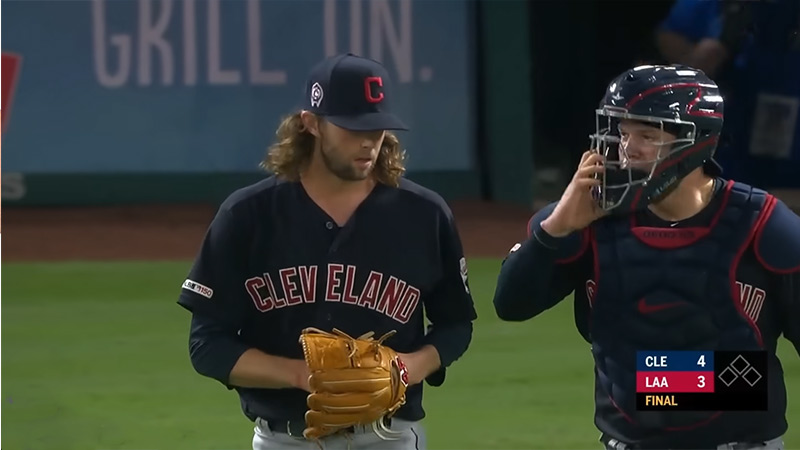
For pitchers, infielders, and outfielders, the throwing arm is the most common choice for sleeve placement. The mechanics of a high-velocity throw put immense strain on the elbow and shoulder.
- Muscle Stabilization: The compression helps stabilize the muscles during the explosive phase of the throwing motion, reducing the “vibration” or “oscillation” that can lead to micro-trauma.
- Soreness Mitigation: By wearing the sleeve on the throwing arm, players find they can limit the cumulative soreness that results from repeated throws over a long season.
The Case for the Lead (Front) Arm
Hitters often take a different approach, choosing to wear the sleeve on their lead arm—the arm that faces the pitcher in their batting stance.
- Vibration Absorption: When a hitter makes contact with the ball, especially on a “mishit” or when using a wooden bat, the resulting vibrations can be jarring. The sleeve helps absorb these shocks, protecting the lead arm and hand.
- Maintaining Suppleness: A hitter’s lead arm needs to stay loose and warm. The sleeve ensures the muscles remain “game-ready” even during long innings spent in the dugout.
The Case for Both Arms

A growing number of athletes are opting to wear sleeves on both arms. This is often seen in outfielders or aggressive baserunners.
- Balanced Support: Wearing dual sleeves provides a symmetrical feel, which some athletes prefer for balance and consistent muscle support.
- Maximum Protection: For players who frequently slide or dive, having both arms protected from turf burn and UV rays is a logical defensive strategy.
- Uniformity and Aesthetics: In many cases, the choice is driven by a desire for a cohesive, professional look that matches the team’s aesthetic.
The “Swag” Factor: The Psychology of Professional Appearance
In the professional realm, confidence is a performance metric. The visual appeal of a compression sleeve—often referred to in the clubhouse as “swag”—is more than just vanity.
- Individual Expression: With a vast array of designs—sometimes exceeding 150 variations—players use sleeves to express their personality within the confines of a strict team uniform.
- The “Look Good, Play Good” Mentality: There is a well-documented psychological link between an athlete’s confidence in their appearance and their on-field performance. A player who feels they look professional and elite is more likely to carry that mindset into the batter’s box or onto the mound.
Positional Breakdown: A Tactical Cheat Sheet
To help players and coaches make the best decision, we have broken down sleeve placement by position:
| Position | Primary Placement | Reason |
|---|---|---|
| Starting Pitcher | Throwing Arm | Circulation, muscle stabilization, and soreness reduction. |
| Relief Pitcher | Throwing Arm | Keeping the arm warm and ready for sudden entry into the game. |
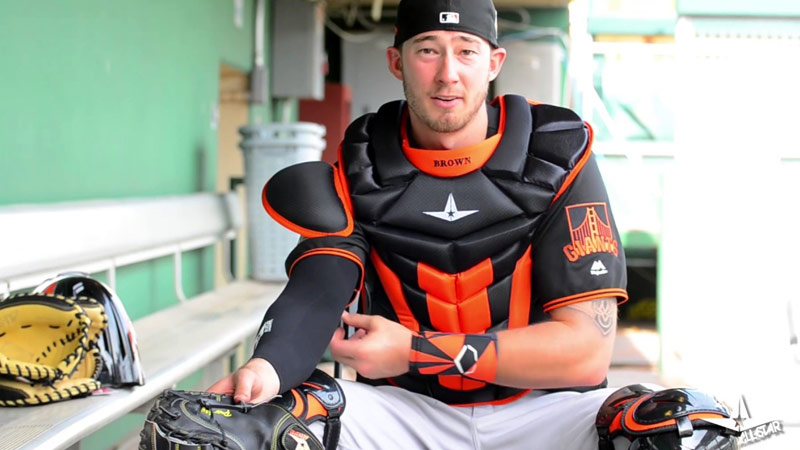
| Catcher | Throwing Arm | Protection during blocks and support for high-frequency throwing. |
| Infielder | Throwing Arm | Quick-twitch muscle support and protection during slides. |
| Outfielder | Both Arms / Throwing Arm | Sun protection and stabilization for long-distance throws. |
| Designated Hitter | Lead Arm | Vibration absorption and keeping the lead arm loose. |
Summary: Making the Strategic Choice
The decision of which arm to wear a baseball sleeve on is a blend of personal preference and tactical necessity.
By understanding the physiological benefits—ranging from better blood circulation to temperature regulation—players can make informed choices that extend their career and improve their daily performance.
Whether you are choosing the throwing arm to stabilize your muscles or the lead arm to dampen vibrations, the utility of the compression sleeve is undeniable.
Beyond the science, the ability to customize your look with hundreds of designs adds a layer of confidence that is essential in a high-stakes environment.
In the quest for excellence on the diamond, every detail counts. The compression sleeve is more than a piece of fabric; it is a commitment to performance, protection, and the professional standard of the game.