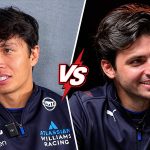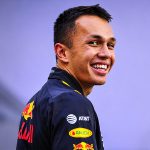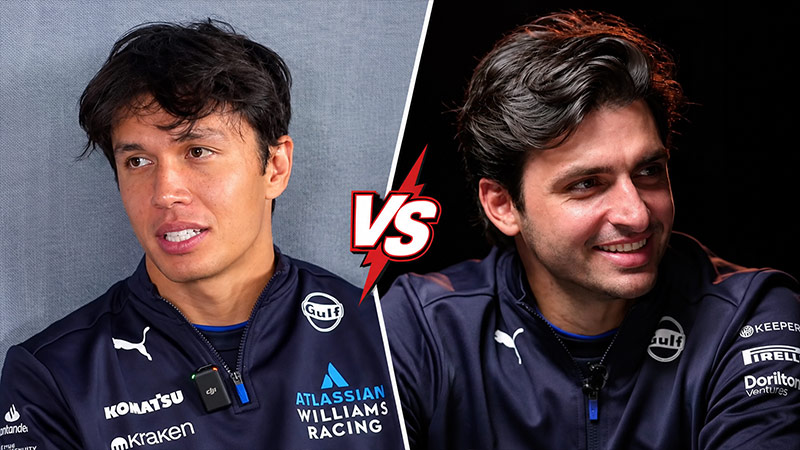
Carlos Sainz is not exposing Alex Albon. If anything, their partnership at Williams has confirmed that Albon belongs among the more complete drivers on the Formula 1 grid.
When Sainz arrived from Ferrari for the 2025 season, the question was inevitable. Albon had comfortably beaten a run of inexperienced teammates at Williams, but he had not faced a proven race winner since Max Verstappen at Red Bull. Sainz, with four Grand Prix victories, was the perfect test.
Nearly two seasons later, the picture is clear. Albon has matched or closely contested Sainz on qualifying pace, race execution and points. The pairing has revealed far more about the Williams car than about either driver.
This analysis covers why the debate started, how the 2025 head-to-head played out, why the 2026 FW48 clouds any comparison, and what “being exposed” would actually look like if it were happening.
Why Fans Are Asking If Sainz Is Exposing Albon
Albon’s reputation has always carried a footnote. In 2019 and 2020 he partnered Max Verstappen at Red Bull, struggled to match him, and lost his seat to Sergio Pérez for 2021.
Williams gave him a second chance in 2022, and he took it. Across three seasons he clearly outperformed Nicholas Latifi, Logan Sargeant and, late in 2024, Franco Colapinto. In 2023 he scored 27 of the team’s 28 points.
Those numbers were impressive, but critics had a fair counterpoint. Beating rookies and drivers short on experience proves less than beating an established star.
Sainz removed that excuse. He arrived with:
- Four Grand Prix wins, at Silverstone, Singapore, Melbourne and Mexico City
- A 2021 season in which he outscored Charles Leclerc in his first year at Ferrari
- A reputation for consistency, precise technical feedback and race intelligence
If Albon were overrated, this was the teammate who would show it. That is why the question resurfaces on fan forums and in paddock discussion every time Sainz has a standout weekend.
2025: Sainz Adapts, Albon Sets the Benchmark
Switching teams in Formula 1 is harder than it looks from the grandstand. Sainz moved from a Ferrari power unit to a Mercedes one, and from Maranello’s tools and processes to an entirely new engineering group.
Every detail changes: brake feel, steering response, simulator correlation and the way engineers turn driver comments into setup changes. Albon, by contrast, was entering his fourth season at Grove with deep knowledge of the car’s habits.
The early results reflected that gap in familiarity. Albon collected a string of strong points finishes in the first half of the year. Sainz’s opening rounds mixed solid pace with incidents, strategy setbacks and the steady work of learning a new car.
Then Sainz found his rhythm. His third place in Azerbaijan gave Williams its first podium since 2021, and he added another third place in Qatar late in the season.
The overall picture was balanced. Albon finished ahead in the drivers’ standings, Sainz produced the headline results, and together they lifted Williams to fifth in the constructors’ championship, its best finish since 2017.
That is not what exposure looks like. It is what two capable drivers sharing the load looks like.
The Head-to-Head: What the Results Suggest
Raw head-to-head counts make for quick headlines, but they rarely tell the full story. Retirements, grid penalties, strategy splits and upgrade timing can all swing a tally.
The more useful lens is the size of the gaps. Across their partnership, the qualifying margins between Albon and Sainz have generally been small. That pattern points to two drivers working close to the car’s limit, not one driver flattering the other.
| Area | Alex Albon | Carlos Sainz |
|---|---|---|
| Qualifying | Frequently the quicker Williams early in 2025 | Closed the gap as his feel for the car grew |
| Race execution | Clean, tyre-friendly, few errors | Sharp racecraft and strategic awareness |
| Best 2025 results | Regular points finishes, especially early on | Podiums in Azerbaijan and Qatar |
| Team knowledge | At Williams since 2022 | Joined in 2025 after four years at Ferrari |
| Career highlights | Two podiums with Red Bull in 2020 | Four Grand Prix wins |
Two takeaways stand out. First, Albon has rarely been beaten by a margin that suggests a gap in raw speed. Second, Sainz’s edge tends to show in specific skills, such as reading race situations and converting rare chances into podiums.
Those are different strengths, not a hierarchy. A driver who is genuinely being exposed loses everywhere, week after week. Albon has not.
2026: The FW48 and a Shared Struggle
The 2026 season brought the biggest regulation reset in years. New power units with a far larger electrical share, fully sustainable fuels and smaller, lighter cars with active aerodynamics forced every team to start again.
Williams had openly prioritised this rule change, shifting development effort away from its 2025 car. Even so, the FW48 arrived on the back foot. It missed the January shakedown in Barcelona and faced reported weight problems, leaving both drivers fighting near the back of the field in the early races.
In a car like that, teammate comparisons become noisy. When both drivers are battling for the final places in Q1, a few hundredths can decide who looks better on a given weekend. Setup gambles, reliability and the timing of upgrades matter more than pure talent.
Neither driver has been exposed by the FW48. Both have been limited by it. Albon and Sainz have each spoken publicly about keeping faith in the Williams project, and the team continues to build its future around both of them.
What “Exposed” Would Actually Look Like
“Exposed” is a strong word in Formula 1. It describes a driver whose reputation collapses once a stronger benchmark arrives. When it happens, the warning signs are hard to miss:
- A consistent qualifying deficit of several tenths, not hundredths
- A large points gap across a full season
- Frequent errors under pressure when chasing the teammate
- Strategy calls and upgrades favouring the other car
- Contract uncertainty or public doubts from team management
Now compare that list with the Albon–Sainz reality. Margins have been tight. Albon finished ahead on points in their first season together, and his error rate remains low.
There has been no visible shift in team priority towards Sainz, and Albon’s long-term contract remains in place. By every practical measure, he has passed the test that critics expected him to fail.
What Sainz Has Done for Albon and Williams
Rather than diminishing Albon, Sainz has given him something he lacked for three seasons: a reliable reference point.
With inexperienced teammates, Albon often had to carry setup direction alone. Data comparisons offered limited insight because the gap usually reflected experience, not technique. Sainz changed that dynamic in three ways:
- Sharper data comparison. Two drivers at a similar level make every telemetry overlay meaningful, revealing small gains in braking, minimum corner speed and tyre use.
- Shared development direction. Engineers can act faster when two experienced drivers point to the same problem with the car.
- Higher standards. Sainz brought processes and expectations from a front-running team, pushing Albon to refine his own approach.
The result is the strongest driver line-up Williams has fielded since the Felipe Massa and Valtteri Bottas era.
For a team rebuilding under James Vowles, that stability matters. It turns a debate about one driver’s ceiling into a conversation about how far the team can rise.
Conclusion
So, is Alex Albon’s skill level being exposed by Carlos Sainz? The evidence says no. Sainz arrived as the toughest benchmark Albon has faced since his Red Bull days, and Albon met that test with consistent qualifying pace, clean racecraft and a 2025 points haul that kept him ahead in the standings.
Sainz brought podiums, experience and sharper processes, but he did not reveal a hidden weakness.
Instead, the pairing confirmed that Williams has two drivers capable of leading a team forward. The 2026 struggles belong to the FW48, not to either driver.
If Williams can deliver a genuinely competitive car next season, this partnership could become one of the most closely matched and productive driver line-ups on the grid.