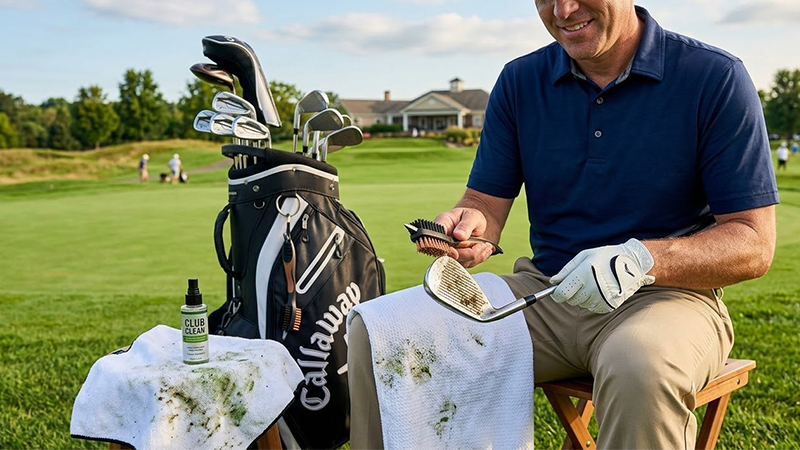
If you’re serious about improving your golf game, cleaning your clubs should be part of your routine — not an afterthought. One of the simplest yet most powerful tools in your golf bag is a golf brush. It may look small and basic, but using it properly can make a noticeable difference in your performance.
In this comprehensive guide, you’ll learn how to use a golf brush correctly, when to use it, why it matters, and how to maintain it for long-term use. Whether you’re a beginner or an experienced golfer, this guide will help you get the most out of your equipment.
Why Cleaning Your Golf Clubs Matters?
Before learning how to use a golf brush properly, it’s important to understand why keeping your clubs clean plays such a crucial role in your overall performance.
The Impact of Dirty Grooves
During a round of golf, your clubs come into contact with grass, mud, sand, and moisture. Over time, these elements build up inside the grooves of the clubface. When grooves are clogged, they can’t grip the ball effectively at impact.
This buildup reduces friction between the clubface and the ball — and friction is essential for generating spin and control.
How Dirt Affects Your Shots
When your clubface is dirty, you may experience:
- Reduced spin control
- Inconsistent ball flight
- Poor distance control
- Lower shot accuracy
- Less stopping power on the greens
Even a small amount of debris can dramatically affect how the ball launches and reacts after landing.
Clean Clubs Mean Better Performance
Clean grooves allow the ball to compress properly at impact, helping you produce consistent spin, predictable trajectory, and improved control. This is especially important for approach shots and wedge play where precision matters most.
A golf brush is specifically designed to remove debris quickly and efficiently, keeping your grooves sharp and your performance at its best.
Types of Golf Brushes
Not all golf brushes are created equal. Different designs serve different purposes, and choosing the right one depends on your cleaning needs and the type of clubs you use. Understanding these variations can help you maintain your equipment more effectively.
Nylon Bristle Brushes
Nylon bristle brushes are the safest and most versatile option. They are gentle on clubfaces and suitable for all club types, including drivers, fairway woods, hybrids, and irons.
These brushes work best for light dirt, grass, and routine cleaning during a round. Because nylon bristles are softer, they reduce the risk of scratching or damaging delicate finishes.
Brass or Steel Bristle Brushes
Brass or steel bristle brushes provide stronger cleaning power. They are ideal for irons and wedges where dirt often becomes compacted inside the grooves.
These brushes effectively remove stubborn mud and sand, especially in wet playing conditions. However, they should not be used on drivers or softer clubfaces to avoid scratches.
Groove Cleaners
Groove cleaners feature a sharp, pointed tip designed to reach deep inside the grooves. They help restore spin performance by removing compacted debris that regular bristles might miss.
Water-Reservoir Brushes
Water-reservoir brushes include a built-in spray system for wet cleaning, making them perfect for muddy conditions and thorough on-course maintenance.
When Should You Use a Golf Brush?
Using a golf brush at the right time is just as important as using it correctly. Regular cleaning ensures your clubs perform consistently throughout your round.
After Every Shot from Grass or Sand
Each time you hit from the fairway, rough, or sand, debris can collect on the clubface. Grass and dirt easily get trapped inside the grooves, reducing spin and control. Cleaning your club immediately after these shots keeps the grooves clear and ready for the next swing.
Immediately After Bunker Shots
Bunker shots expose your club to sand, which can quickly pack into the grooves. If not cleaned right away, sand can affect your next shot and even cause minor wear over time. A quick brush prevents buildup and maintains performance.
When You Notice Visible Dirt
If you see mud, grass, or debris on the clubface, don’t ignore it. Even small particles can impact ball contact and shot accuracy.
Before Important Approach Shots
Approach shots demand precision. Cleaning your club beforehand ensures maximum spin and stopping power on the green.
After Finishing Your Round
Finally, give your clubs a thorough cleaning after each round. Avoid waiting until the end only — cleaning after each shot is the best habit for consistent results.
How To Use a Golf Brush Properly
Now let’s walk through the proper step-by-step process.
Step 1: Attach the Brush to Your Bag
Most golf brushes come with a retractable clip. Attach it to:
- Your golf bag
- Belt loop
- Towel ring
This keeps it easily accessible and prevents losing it.
Step 2: Inspect the Clubface
After hitting a shot:
- Look at the clubface
- Check for dirt, mud, sand, or grass
- Pay special attention to the grooves
Step 3: Use the Right Bristle Type
- Use nylon bristles for woods and drivers
- Use brass/steel bristles for irons and wedges
Brush firmly but not aggressively.
Step 4: Brush Across the Grooves
Brush side-to-side across the grooves, not up and down.
Why?
Because brushing across the grooves:
- Removes debris more effectively
- Prevents groove damage
- Maintains groove sharpness
Apply moderate pressure and make 4–6 strokes.
Step 5: Use the Groove Cleaner (If Needed)
If dirt remains:
- Use the pointed groove cleaner tip
- Gently remove stubborn debris
- Avoid excessive force
Do not scratch or dig into the metal aggressively.
Step 6: Wipe with a Towel
After brushing:
- Wipe the clubface with a damp towel
- Dry it with a clean section
This removes loosened dirt and moisture.
How To Use a Golf Brush with Water?
A water-reservoir golf brush takes cleaning to the next level by combining moisture with scrubbing power. This type of brush is especially useful during wet or muddy conditions when dirt becomes compacted inside the grooves.
Fill the Reservoir Properly
Before your round, fill the built-in reservoir with clean water. Avoid adding soap or chemicals unless the manufacturer specifically recommends it. Clean water is usually enough to loosen dirt and debris effectively.
Lightly Spray the Clubface
After a shot, gently squeeze the brush to spray a small amount of water onto the clubface. There’s no need to drench it — a light mist is sufficient to soften dried mud and grass trapped in the grooves.
Brush Gently but Thoroughly
Use steady, moderate strokes across the grooves. The water will help break down stubborn debris, allowing the bristles to clean more efficiently without excessive force.
Wipe the Club Dry
Once brushing is complete, wipe the clubface with a dry section of your towel. This prevents moisture buildup and keeps your club in top condition.
Water enhances cleaning performance, but avoid soaking the club — especially near the grip or shaft — to prevent long-term damage.
Best Practices for Using a Golf Brush?
Using a golf brush correctly is simple, but following a few best practices can significantly improve its effectiveness and protect your equipment. Developing the right cleaning habits ensures your clubs stay in top condition throughout every round.
Clean After Every Shot
One of the most important habits is cleaning your club immediately after each shot. Waiting until the end of the round allows dirt and debris to dry and harden inside the grooves, making them harder to remove. Quick, regular cleaning maintains consistent performance from the first hole to the last.
Use Gentle, Controlled Pressure
While it may be tempting to scrub aggressively, excessive force can damage the clubface or wear down the grooves over time. Use firm but controlled strokes to remove dirt without over-scrubbing.
Choose the Right Bristles
Avoid using metal bristles on drivers, fairway woods, or putters, as they can scratch softer materials and finishes. Reserve metal bristles for irons and wedges only.
Maintain Your Brush
Keep your brush dry when not in use to prevent rust or bristle damage. If the bristles become bent or worn out, replace the brush to ensure effective cleaning.
Mistakes to Avoid When Using a Golf Brush
A golf brush is a simple tool, but using it incorrectly can reduce its effectiveness or even damage your clubs. Avoiding common mistakes will help protect your equipment and maintain consistent performance on the course.
Scrubbing Too Hard
Applying excessive force while brushing can wear down or damage the grooves over time. Grooves are essential for generating spin and control, so treat them carefully. Use firm but controlled strokes rather than aggressive scrubbing.
Using Steel Bristles on Soft Clubfaces
Steel bristles are effective for irons and wedges, but they should never be used on drivers, fairway woods, or putters. These clubs often have softer finishes that can scratch easily. Always match the bristle type to the club.
Ignoring the Grooves
Some golfers quickly brush the surface but neglect the grooves. Since grooves directly impact spin and ball control, they should always be the main focus during cleaning.
Cleaning Only at the End of the Round
Waiting until the round is over allows dirt and mud to harden, making cleaning more difficult. It’s best to clean after each shot.
Forgetting to Dry the Club
Leaving moisture on the clubface can lead to rust or long-term wear. Always wipe the club dry after brushing.
Cleaning Different Types of Clubs
Different clubs require slightly different care.
Irons and Wedges
- Use brass or nylon bristles
- Focus heavily on grooves
- Clean after every shot
Drivers and Fairway Woods
- Use nylon bristles only
- Avoid metal brushes
- Clean gently to protect the finish
Putters
- Use only soft nylon
- Light brushing
- Avoid metal tools entirely
Hybrid Clubs
- Clean like fairway woods
- Use soft bristles
- Avoid scratching
Golf Brush vs Golf Towel
You might wonder — is a towel enough?
Here’s the difference:
Golf Towel
- Removes surface dirt
- Works best when damp
- Doesn’t clean deep grooves well
Golf Brush
- Cleans inside grooves
- Removes compacted mud
- Restores full spin performance
Best practice? Use both together.
Signs You Need a New Golf Brush
Like any golf accessory, a golf brush doesn’t last forever. Over time, regular use and exposure to dirt, sand, and moisture can reduce its effectiveness. Recognizing the signs of wear will help you maintain proper club care and consistent performance on the course.
Flattened or Worn Bristles
One of the most obvious signs is flattened or frayed bristles. When bristles lose their stiffness, they can’t properly clean dirt and debris from the clubface and grooves. If brushing feels less effective than before, worn bristles may be the reason.
Bent or Damaged Groove Cleaner Tip
The groove cleaner tip is designed to remove stubborn debris from tight spaces. If it becomes bent, dull, or broken, it won’t clean grooves efficiently. A damaged tip can also scratch your clubface if used improperly.
Broken Clip Mechanism
Most golf brushes come with a retractable clip for easy access. If the clip no longer retracts properly or feels loose, you risk losing the brush during your round.
Reduced Cleaning Performance
If your brush struggles to remove dirt even with proper technique, it’s likely time for a replacement. A fresh, sturdy brush ensures your clubs stay clean and perform at their best.