Baseball gloves can be stored in the same way that any other type of glove is stored- in a closed container, out of direct sunlight, and away from heat or moisture.
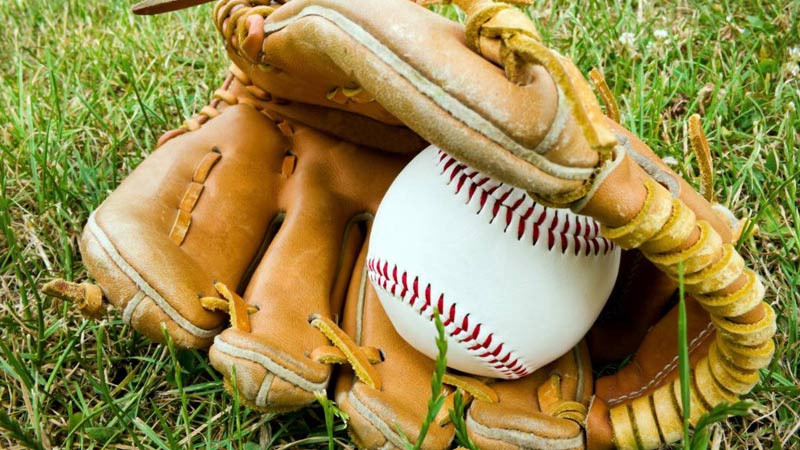
Source: fennellseeds
How To Store A Baseball Glove
When it comes to storing a baseball glove, it is important to keep in mind a few things. Firstly, store the glove in a dry place. Secondly, store the glove in a cool place.
Thirdly, make sure to store the glove in an airtight container.
Store In A Dry Place
Baseball gloves are one of the most important pieces of equipment for any player or coach. It is important to store your baseball glove in a dry place to prolong its life.
If you do not have a dry place to store your baseball glove, then put it in a bag with some airholes punched in it. Do not put your baseball glove in direct sunlight or inside the refrigerator.
Keep your baseball glove away from moisture and extreme temperatures. If you lose your baseball glove, make sure to replace it as soon as possible because it can affect your batting average.
Store In A Cool Place
When storing a baseball glove, keep it in a cool place to avoid damaging the leather or stitching. A Baseball glove should be stored in a dry and dark place to prevent mildew and fungus growth.
The best place to store a baseball glove is in an airtight container that is not humid. To prevent bacteria from growing, never put your Baseball glove in the same container with other sports equipment like balls and bats.
If you do need to clean your Baseball glove, use a mild soap and water or a lint-free cloth moistened with cold water
Store In An Airtight Container
When it comes to storing your baseball glove, make sure to keep it in an airtight container. This will help protect it from becoming wet and damaged, and it will also keep the smell away.
- Store baseball gloves in an airtight container to prevent them from becoming wet and moldy.
- Keep the glove away from sunlight and other sources of heat, which can damage the leather or rubber.
- Do not store baseball gloves with sharp objects, as this may lead to cuts on your hands.
Wash And Dry Baseball Glove
Baseball gloves are not just for playing the game! They can also be used for everyday tasks, such as picking up a dropped object. If you’re going to be using your baseball glove for more than one purpose, it is important to take care of it.
Make sure to wash it and dry it after each use. This will help keep your glove in good condition and usable. You can also store your baseball glove in a protective case when not in use. When storing your baseball glove, make sure that the fingers are hanging down so they don’t get wrinkled or twisted when you go to use them again.
Finally, remember to always shake out your baseball glove before using it so that the balls fall straight into the hand! Remember these tips for taking care of your baseball glove and enjoy playing the game to its fullest!
Remove Gages From The Leather Handles
When you’re done using your baseball glove, it’s important to take off all the gages. This will keep the glove in good condition and make it easier to store.
Use A Leather Conditioner
If you don’t want to damage the leather, you can use a leather conditioner to help soften and protect it. You can find these products at most sporting goods stores.
Protect The Gages With Film
If you don’t want to damage the gages, you can cover them with film. This will protect them from moisture, dust, and other elements that could damage or dissolve them. You can find films that are specifically designed for baseball gloves at most sporting goods stores.
Store Them In A Dry Place
Store your baseball gloves in a dry place so they stay in good condition. If they get wet, the leather may become soft and susceptible to damage.
Store In A Dry Place
When you’re not using your baseball glove, it’s important to keep it in a dry place. This will help prevent the leather from drying out and cracking. You can store your glove in a closet or drawer, but avoid places where moisture may accumulate, like on the steps of a staircase.
- Always store your baseball glove in a dry place to avoid moisture damage. Moisture can cause the leather to rot and the stitching to come undone.
- Store your baseball glove in a cool, dark place where it will be preserved. Exposure to sunlight can damage the gloves’ stitching and weaken the leather.
- Never put your baseball glove in the washing machine or dryer – both of these processes can ruin it! Instead, use a gentle detergent and warm water on delicate cycle, or hang it to dry.
- If you ever lose your baseball glove, don’t panic. You can order a new one online or at your local sports store. Just make sure that you keep the receipt so you can prove that it was purchased at a reputable store.
- Finally, always take care when playing catch with your baseball glove – make sure you are wearing proper safety gear including batting gloves and shin guards.
Keep Away From Sharp Objects
When you’re storing your baseball glove, make sure to keep it away from sharp objects. This includes anything that could cut or puncture the leather surface of the glove. You can try Mizuno baseball gloves, as they are so easy to store and are the best gloves in the market.
Store glove in a closed container
To keep the glove in good condition, it should be stored in a closed container. This will protect it from dust, moisture and other contaminants.
Keep away from sharp objects
When storing the glove, make sure that it is kept away from sharp objects. If the glove gets punctured or cut, it may not last as long as you would hope.
Do not expose to direct sunlight
Do not expose the glove to direct sunlight or heat sources. Doing so may cause it to deteriorate more quickly.
Keep frozen if possible
If you cannot store the glove frozen, then try to keep it cold by placing it in a cool environment.
Clean with a mild soap and water
Wipe down the glove with a mild soap and water before putting it back into storage.
To Recap
It is important to store your baseball glove in a dry and cool place, which will help it last for years. It’s also important to keep the stitches tight so that the glove doesn’t come apart during games.