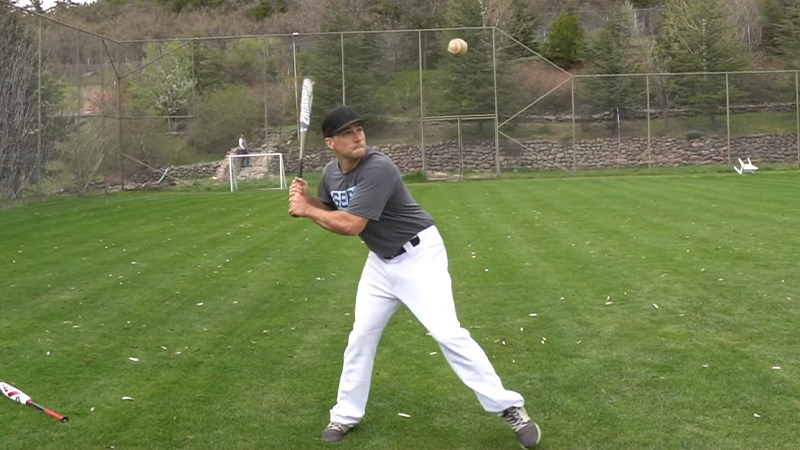
For any baseball or softball coach, the fungo bat is arguably the most important tool in the equipment bag.
While hitting ground balls might feel like second nature, mastering the fly ball is a specialized skill that requires a blend of rhythm, timing, and specific mechanics.
Being able to consistently drop a fly ball exactly where an outfielder needs it—whether it’s a high “can of corn” or a deep drive to the fence—can transform the quality of your defensive practices.
This guide will break down the essential techniques for hitting fly balls with a fungo bat, ensuring your players get the reps they need to excel.
Understanding the Fungo Advantage
Before diving into the “how,” it is important to understand the “why.” A fungo bat is specifically designed for coaches to hit balls to fielders without the fatigue of a standard game bat. They are typically longer and lighter, allowing for high-repetition sessions.
When you transition from hitting grounders to fly balls, you are changing the verticality of the drill. To do this effectively, you must adjust your toss, your swing plane, and your follow-through to create the necessary lift.
The Foundation: Grip and Stance
Control is the name of the game when hitting fungos. If you are swinging for the fences like a power hitter in a home run derby, you will likely lose the accuracy required for a productive drill.
The Two-Handed Grip
Using a two-handed, comfortable grip. Unlike some specialized short-hand drills, hitting deep fly balls requires the stability of both hands to guide the bat through an upward arc.
Choking Up for Precision
A common tip among experienced coaches is to “choke up” on the bat. By moving your hands an inch or two up from the knob, you shorten the “bridge” between your hands and the barrel.
This adjustment significantly improves your control and accuracy, making it easier to hit the ball to a specific spot in the gap or down the line.
The Golden Rule: It All Starts with the Toss
In fungo hitting, the toss is 90% of the battle. If you have a bad toss, you will have a bad swing. Consistency is the absolute key to a successful fly ball.
Height and Positioning
When hitting fly balls, you need to adjust your toss compared to how you would for a ground ball:
- Chest Height: Toss the ball to approximately chest height. This provides the optimal window to swing upward and catch the bottom half of the ball.
- Front-Foot Placement: You should throw the ball slightly higher and further in front of your body (closer to your front foot) than you would for a grounder. This forward positioning allows the bat to be on its upward path at the moment of impact.
Mechanics of the Fly Ball Swing
The swing used for a fly ball is fundamentally different from a line-drive or ground-ball swing. It is a calculated “lift” rather than a “drive.”
The Upward Path
To get the ball into the air, you must use a smooth, upward, lifting swing. Your goal is not to hit the center of the ball, but rather to make contact with the underside of it. This contact point creates the backspin and “carry” needed to reach the deep outfield.
The High Follow-Through
Your swing should not end at the point of contact. To ensure the ball carries and reaches its maximum distance, you must complete the swing with a high finish.
Keeping the bat high on the follow-through maintains the upward trajectory of the ball’s flight path. If you “roll over” your wrists or finish low, the ball will likely result in a sinking liner or a “knuckle” ball that is difficult for players to read.
Advanced Techniques: Pop-ups vs. Distance
Not all fly balls are created equal. Depending on the drill, you may need a high, vertical pop-up for catchers or a long, towering drive for outfielders.
Hitting High Pop-ups
If you want to simulate a “towering” pop-up for infielders or catchers:
- The High Toss: Toss the ball significantly higher than chest height.
- The Back Shoulder Target: Aim for the ball to land near your back shoulder as you swing. By letting the ball travel deeper into your “zone,” your upward swing path becomes even more vertical, sending the ball straight up.
Hitting for Maximum Distance
When you need to push your outfielders back to the warning track:
- Bat Choice: Use a longer fungo bat, typically 36 inches or more. The extra length provides more leverage and “whip” at the end of the barrel.
- Power Output: While accuracy is still vital, you will need to swing with more power to achieve the necessary distance for deep outfield drills.
Choosing the Right Equipment
For distance, a 36”+ bat is ideal. Beyond length, coaches often choose between wood (usually birch or maple) and metal fungos.
- Wood Fungos: Offer a traditional feel and great feedback, but can break if the ball is “mis-hit” near the handle.
- Metal/Composite Fungos: Extremely durable and often lighter, making them great for long, multi-hour practice sessions.
Developing “Fungo Feel” through Practice
Hitting a fungo is a motor skill that requires “feel.” Consistently practicing this technique is the only way to develop the accuracy required for high-level outfield drills.
- Stationary Targets: Try to hit a bucket placed in center field. Start at 50 feet and move back as you get more comfortable.
- The “No-Swing” Toss: Spend five minutes just tossing the ball to your “sweet spot” without swinging. If you can’t toss it to the same spot every time, you’ll never hit it consistently.
- Variable Heights: Practice alternating between a ground ball, a line drive, and a fly ball to master the adjustment of your swing plane.
Conclusion
Mastering the fungo fly ball is a hallmark of a great coach. By focusing on a consistent toss, utilizing a high follow-through, and adjusting your swing path to hit the underside of the ball, you can provide your players with game-like repetitions that build their confidence in the outfield.
Remember to choke up for control when accuracy is needed, and don’t be afraid to use a longer bat when you need to test the range of your center fielder.
With practice, the fungo bat becomes an extension of your arm, allowing you to put the ball exactly where your team needs it to be.