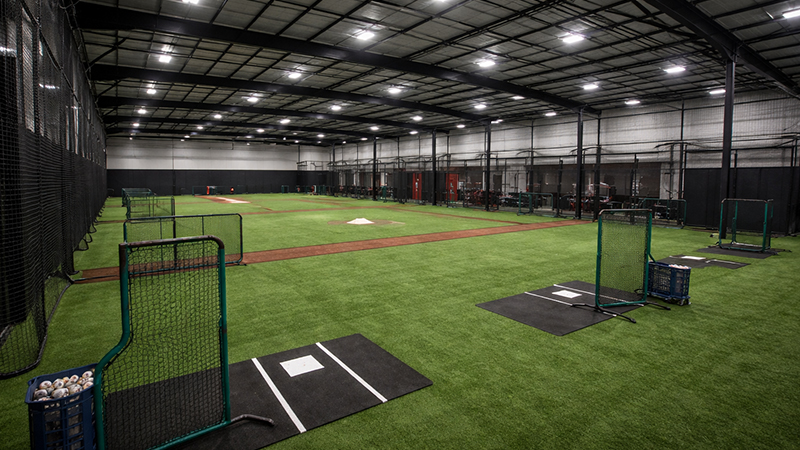
For coaches, entrepreneurs, and investors looking to enter the sports industry, the primary hurdle is often a financial one: How much does it cost to open and operate an indoor baseball facility?
In the 2026 market, the investment landscape has shifted significantly due to rising real estate costs and the rapid advancement of training technology.
Opening a commercial facility generally requires a capital investment ranging from $100,000 to well over $1 million.
This wide range depends on your location, the scale of the facility, and the level of technology you intend to offer. This guide provides a detailed breakdown of the startup and operational costs to help you build a profitable business.
Real Estate: The Foundation of Your Investment
Your single largest expense will almost certainly be the space itself. Whether you choose to lease or buy, the regional market and the physical footprint of the building will dictate your initial financial roadmap.
Lease vs. Own: Strategic Considerations
In most major metropolitan areas, leasing a warehouse or industrial space is the most practical starting point. However, purchasing land and building from the ground up offers total control over the layout, such as ensuring high ceilings and an open concept conducive to baseball.
- Regional Price Disparity: Based on recent industrial reports, average lease rates vary wildly by geography. In New York City, industrial rates can reach $29.95 per square foot, whereas in Atlanta, they may average around $8 per square foot.
- The Scale Impact: For a standard 10,000 sq. ft. facility, your annual rent in NYC would be approximately $299,500, compared to just $80,000 in Atlanta.
Renovations and Build-Out Costs
Converting a raw industrial “shell” into a functional sports complex requires specialized renovations.
- Construction Costs: General build-out and renovation typically range from $150 to $250 per square foot.
- Compliance & Permitting: Don’t overlook the “soft costs.” Permitting and safety compliance can add $0.15 to $0.50 per square foot to your budget.
- Total Build Estimate: For a 10,000 sq. ft. space, the total renovation cost could range between $1.5 million and $2.5 million.
Essential Equipment and Modern Technology
A high-quality facility requires more than just space; it requires specialized infrastructure that protects athletes and enhances their performance.
High-Performance Turf
Turf is non-negotiable for indoor baseball. Quality turf starts at roughly $1.69 per square foot.
- Why Quality Matters: Skimping on turf can lead to rapid wear and tear and increases the risk of athlete injury from hard surfaces.
- Pro Tip: You can often find used turf in bulk from facilities that are downsizing to save on initial costs.
Batting Cages and Netting
The “tunnels” are your primary revenue generators.
- Netting Material: Most facilities use #36 Gauge Nylon, which has a lifespan of 3-5 years.
- Cost per Cage: Expect to pay approximately $725 per cage for quality netting.
- Sizing Strategy: Standard cages are 55’x12′ or 70’x12′. While smaller cages save space, the larger 70′ tunnels allow for live-pitching (60.6′ mounds), which is essential for attracting high-value team clients and professional athletes.
Pitching Machines: From Basic to Elite
Pitching machines range from $1,500 to $15,000 each.
- Entry Level: Portable solutions like the Hack Attack or Spinball typically cost around $3,000.
- High-Tech Solutions: Advanced programmable machines like the iPitch model can throw over 100mph with high spin rates, making them a necessity for facilities catering to college or pro talent.
The Tech Edge
To stay competitive in 2026, many owners are investing in advanced analytical tools. High-speed cameras and sensors can cost upwards of $80,000, but they position your facility as a premier training destination.
Ongoing Operational Expenses
Once the doors are open, you must manage recurring costs that ensure a seamless experience for your customers.
Payroll and Staffing
If your business model relies on private lessons, clinics, and camps, instructor payroll will be one of your largest ongoing expenses. Top-tier instructors attract new clientele and increase retention through long-term lesson packages.
Utilities and Insurance
- Energy Costs: Lighting and climate control in a massive industrial space are significant. In New York, for instance, industrial electricity prices range from 7.54 to 9.72 cents per kilowatt-hour depending on the season.
- Liability Insurance: Sports facilities carry inherent risks. Comprehensive insurance—including property, liability, and workers’ compensation—is essential.
- Risk Mitigation: Utilizing liability waivers is a standard practice to protect the business from the costs of inevitable sports injuries.
Management Software: An Investment, Not a Cost
Modern facility management software, such as Swift, is viewed as a revenue generator rather than a sunk cost. In 2026, consumers expect online booking and mobile apps. Essential software features include:
- Online Bookings & Payments: Automates the rental process for cages and courts.
- Membership Management: Drives recurring revenue and increases customer loyalty.
- Staff & Payroll Integration: Streamlines the management of instructors and their schedules.
- Analytics & Reporting: Helps owners track which cages or timeslots are the most profitable.
Alternative “Bootstrap” Setups
Not every baseball entrepreneur has a $1 million budget. There are smaller-scale alternatives for starting a training business:
- Private/Small Setup: A home garage or basement retrofitted with turf and a single net can cost between $5,000 and $10,000.
- Temporary Rentals: Renting space from local gyms or school facilities for seasonal training typically costs between $10,000 and $20,000+ annually.
Profitability: Is the Investment Worth It?
Starting a facility is a massive undertaking, but is it profitable? The data suggests that with efficient management, it is a sustainable business model.
- Profit Margins: Most well-managed indoor baseball facilities see profit margins between 10% and 20%.
- Revenue Potential: Annual revenues can range from $100,000 for smaller operations to over $1 million for large-scale, multi-sport complexes.
- Maximizing ROI: Successful owners diversify their income by offering not just cage rentals, but also memberships, retail sales, apparel, and showcase events.
Final Thoughts
Opening an indoor baseball facility in 2026 requires balancing high upfront costs with the potential for long-term recurring revenue.
By carefully selecting a location based on regional lease rates, investing in durable #36 gauge netting, and leveraging automation software like Swift to handle bookings and memberships, you can create a business that runs efficiently even when you aren’t on-site.