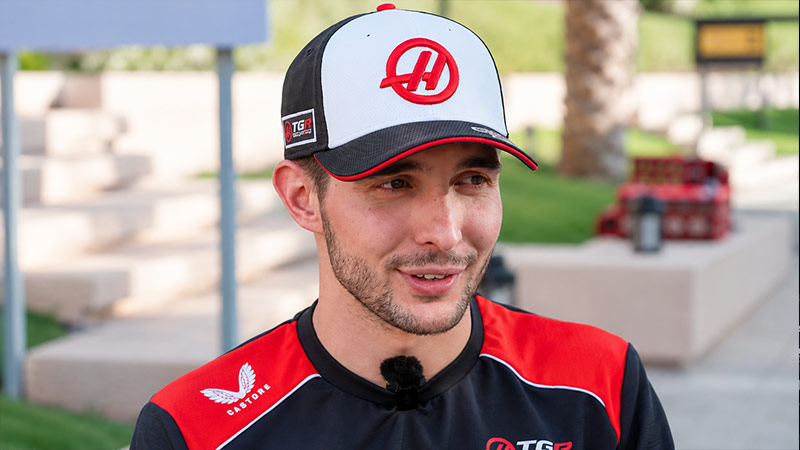
Esteban Ocon has an estimated net worth of $21 million. The French driver has earned roughly $47.34 million in Formula 1 pay since his 2016 debut, and he now collects about $7 million a year at the Haas F1 Team.
Those numbers tell the story of a driver whose family sold almost everything to fund his karting, and who went on to win a Grand Prix.
His wealth rests on three pillars: a steady F1 contract, a decade of accumulated race pay, and a growing set of personal brand deals.
This guide breaks down where his money comes from, why his net worth sits well below his career earnings, and what the next few seasons could mean for his finances.
Every figure here is an estimate based on publicly reported salary data and partnership announcements, because F1 teams rarely disclose driver contracts.
Esteban Ocon Net Worth Snapshot
Here is the financial picture in one place, for readers who want the key numbers before the detail.
| Category | Estimate |
|---|---|
| Net worth | $21 million |
| Career F1 earnings (2016 onward) | About $47.34 million |
| Annual salary | About $7 million |
| Current team | Haas F1 Team (since 2025) |
| Previous teams | Manor, Force India, Renault, Alpine |
| Key partners | GlobeAir, Williams Marine Group, LEVAC |
Figures reflect F1 salary data and public reports. Bonuses and private investments are not disclosed, so actual totals may differ.
Early Life: The Sacrifice Behind the Success
Ocon’s fortune began with a family bet that could easily have failed. He was born on 17 September 1996 in Évreux, Normandy, to a working-class family with no motorsport money behind it.
His father worked as a mechanic, and Ocon has spoken openly about how his parents sold the family home to keep his karting career alive. For years they lived in a caravan, driving between circuits across Europe so their son could race.
The gamble paid off on track. Backing from Gravity Management, the company linked to former team boss Eric Boullier, helped him move into single-seaters.
He then won the 2014 FIA European Formula 3 title ahead of Max Verstappen and the 2015 GP3 championship, which earned him a place in the Mercedes junior program.
This context matters for anyone studying driver wealth. A single season in junior single-seaters can cost seven figures, so many drivers start their F1 careers with obligations to the people who funded them.
F1 Career Timeline and Earnings Growth
Ocon’s pay rose in step with his status, from a mid-season rookie at Manor to a race winner and now the senior driver at Haas.
| Years | Team | Career milestone |
|---|---|---|
| 2025 onward | Haas F1 Team | Joined on a multi-year deal as team leader alongside Oliver Bearman |
| 2021–2024 | Alpine | Won the 2021 Hungarian Grand Prix; podiums at Monaco 2023 and São Paulo 2024 |
| 2020 | Renault | Returned to racing; second place at the 2020 Sakhir Grand Prix |
| 2019 | Mercedes (reserve) | A year out of a race seat as test and reserve driver |
| 2017–2018 | Force India | First full seasons; became a regular points scorer |
| 2016 | Manor | Debuted at the Belgian Grand Prix |
His early contracts were modest by F1 standards, and the 2019 reserve year cut his income at the point where it should have been climbing.
The bulk of his estimated $47.34 million in career pay is likely to have come after 2020, once he moved onto established-driver terms.
The Hungary win was the turning point. A Grand Prix victory puts a driver in a small club, and it gave Ocon leverage in every contract talk that followed, including the move to Haas.
Esteban Ocon’s Salary at Haas
Ocon earns an estimated $7 million a year at Haas, which places him firmly in the midfield salary bracket. That base pay is the single largest driver of his annual income.
Haas signed him on a multi-year deal after his Alpine exit, valuing his experience of more than 150 Grand Prix starts. For a smaller team, a proven race winner brings consistency, technical feedback and a steady hand alongside a young teammate.
Like most F1 contracts, his deal is likely to include performance bonuses tied to points or results on top of the base figure. Those extras are rarely made public, so the $7 million estimate should be read as a floor rather than a ceiling.
Salary also shapes his long-term value. Every season he stays on the grid at this level adds roughly $7 million in gross pay before taxes and costs.
Endorsements, Sponsorships and Business Ventures
Outside his salary, Ocon earns from personal partnerships that fit his life as a globe-trotting athlete. The exact value of these deals is private, but they add a second income stream that does not depend on race results.
- GlobeAir: A private aviation partnership that matches the travel demands of a calendar with more than 20 races across five continents.
- Williams Marine Group: A marine and lifestyle tie-in that links his personal brand to the premium leisure market.
- LEVAC sneaker collection: A signature line he co-created, which moves him from appearance fees toward product-based income.
The sneaker project is the most strategic of the three. Co-created products can keep earning long after a driver retires, unlike sponsorship fees that usually end with a race seat.
For a midfield driver, personal deals typically make up a smaller share of income than salary. Still, they reward his public profile and help protect his finances against a poor season on track.
Why His Net Worth Is Lower Than His Career Earnings
Ocon has earned about $47.34 million but is worth an estimated $21 million, a gap of roughly $26 million. That difference is normal for professional athletes, because net worth measures what someone keeps, not what they are paid.
Several costs explain the gap:
- Taxes: Income tax on a multi-million salary takes a large share of gross pay, and the rate depends on where a driver lives and races.
- Management and agent fees: Representatives usually take a percentage of contracts and endorsement deals.
- Personal team: Trainers, physiotherapists, media staff and travel add up across a full season.
- Early-career backing: Drivers funded through junior categories often owe a share of future earnings to the people who invested in them.
- Living costs and investments: Homes, cars and investments can rise or fall in value over time.
Read this way, a $21 million net worth points to disciplined money management for a driver whose family started with very little.
How Ocon Compares and What Comes Next
Ocon sits in the upper half of the midfield pay scale, well below the champions at the front of the grid. The highest-paid drivers earn several times his salary, but few midfield drivers can match his record of a Grand Prix win and four podiums.
His financial future depends on three factors:
- Car performance: The 2026 regulation overhaul reset the competitive order, and a stronger Haas package would raise his market value at the next contract talks.
- Brand growth: If the LEVAC collection and his other partnerships expand, off-track income could take a bigger share of his earnings.
- Life after racing: Experienced drivers often move into broadcasting, ambassador work or team roles, which can extend their earning years.
On current numbers, each extra season at Haas adds around $7 million in gross pay. With careful management, his net worth has clear room to grow from today’s $21 million estimate.
Conclusion
Esteban Ocon’s estimated $21 million net worth reflects more than a paycheck. It is the result of a family gamble, years of junior titles and a resilient career.
From a caravan on the karting circuit to a Grand Prix win in Hungary, his rise shows how talent and persistence can turn sacrifice into wealth.
Today, a salary of around $7 million at Haas keeps his earnings steady, while career pay of roughly $47.34 million gives him a strong financial base.
Partnerships with GlobeAir, Williams Marine Group and LEVAC add income beyond the cockpit. With new regulations reshaping the grid, his next few seasons could lift his market value and his net worth.