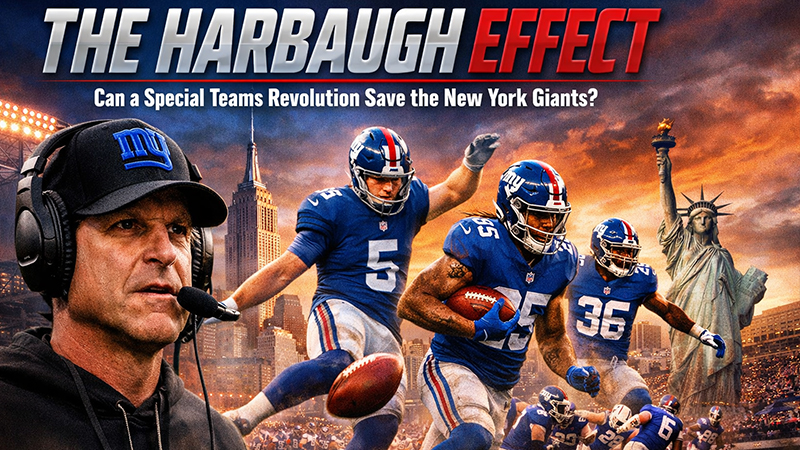
The New York Giants are currently navigating a fundamental shift in their organizational DNA. For years, the “third unit”—special teams—was treated as a supplemental component of the roster.
However, with the high-profile acquisition of head coach John Harbaugh, the franchise has signaled a move toward a holistic team-building philosophy where specialists are no longer “secondary” players but primary drivers of competitive advantage.
As the Giants prepare for the 2026 season, the “grocery list” for general manager Joe Schoen and Harbaugh has been explicit: a world-class punter, a reliable veteran kicker, a steady long-snapper, and a core group of special teams “aces”.
This deep dive analyzes the strategic logic behind this overhaul, the statistical reality of special teams impact, and whether this “Harbaugh Blueprint” can finally stabilize a franchise that has spent years in the NFL’s basement.
The Foundation: Why the Giants Forced a Cultural Pivot
To understand the Giants’ aggressive investment in special teams, one must first look at the wreckage of the previous three seasons. Under the tenure of GM Joe Schoen, the Giants’ special teams performance has been a persistent anchor on the team’s overall success.
Since 2022, the Giants have ranked 26th in special teams Expected Points Added (EPA). In the most recent season, that efficiency plummeted further to minus-20.78, placing them 25th in the league.
When John Harbaugh walked into his introductory news conference, he laid out a simple, albeit demanding, mandate: “Nothing will be taken for granted”.
This statement was a direct shot at the complacency that often plagues bottom-tier special teams units.
Harbaugh’s arrival represents a homecoming to the philosophy he mastered as an assistant under Andy Reid, where he served as the Philadelphia Eagles’ special teams coordinator for nine seasons.
His history in Baltimore (2008–2025) further validates this approach. During his tenure with the Ravens, his teams maintained the second-best special teams EPA in the NFL, trailing only the New England Patriots.
This consistency contributed directly to 180 regular-season wins, the fifth-highest mark for any coach during that span.
The Giants aren’t just hiring a head coach; they are importing a specialized ecosystem of winning football.
The Roster Overhaul: Checking the “Grocery List”
Modern NFL roster building often prioritizes “blue-chip” positions like quarterback, left tackle, and edge rusher. While those remain critical, Harbaugh’s first foray into Giants free agency focused on the specialized “third unit” with surgical precision.
The Specialist “Clean Sweep”
The most visible sign of this revolution was the “clean sweep” of the specialists.
- The Punter: On the first day of free agency, the Giants signed All-Pro Jordan Stout from the Ravens to a record-breaking contract. Stout represents the ultimate field-position weapon, a critical component for a Giants team that has often struggled to flip the field.
- The Kicker: To address scoring volatility, the team added former All-Pro Jason Sanders. Reliability in “clutch” moments—defined as tying or go-ahead field goals in the final two minutes of regulation or overtime—was a hallmark of Harbaugh’s Ravens, largely thanks to Justin Tucker’s 27 clutch field goals between 2012 and 2024.
- The Long-Snapper: Completing the trio, the Giants secured veteran Zach Triner, ensuring that the mechanical foundation of every kick and punt is handled by a seasoned professional.
Building the “Aces”
Special teams isn’t just about the specialists; it’s about the “aces” who cover kicks and disrupt returns. The Giants identified and signed two high-impact defenders specifically for their special teams prowess:
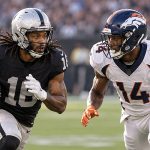
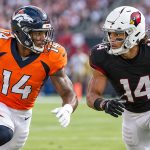
- Elijah Campbell: A safety with 21 career special teams tackles.
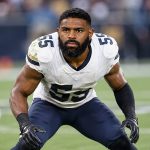
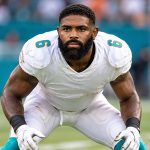
- Cam Jones: A linebacker with 17 career special teams tackles.
These additions are designed to fix a glaring weakness in the Giants’ coverage units. During Harbaugh’s time in Baltimore, the Ravens were consistently top 10 in yards allowed per punt and kick return. By bringing in Campbell and Jones, the Giants are attempting to replicate that containment.
The Statistical Reality: Supporting Factor vs. Direct Runway
A critical question for fans and analysts remains: How much does special teams actually matter?
Data-driven decisions are at the heart of this rebuild, but the data offers a nuanced perspective. While the Seattle Seahawks won Super Bowl LX with the league’s top special teams unit (an EPA of 65.33), the correlation between special teams excellence and winning isn’t always linear.
Consider the “Gap Analysis” from recent NFL history:
- Five of the top 10 teams in special teams EPA last season failed to make the playoffs.
- Teams like the New York Jets and Tennessee Titans, who invested in special teams, still find themselves selecting in the top 5 of the upcoming NFL draft.
- Historically, four of the top 12 special teams performances (per DVOA) belonged to teams that failed to reach the Super Bowl or even finish with a winning record.
While elite special teams play is not an “immediate runway to winning,” it serves as a vital supporting factor. For a team like the Giants, which has been losing close games due to field position and missed kicks, special teams proficiency provides the “floor” that allows the offense and defense to take risks and win games in the margins.
Coaching Infrastructure: The Chris Horton Factor
A cultural shift requires more than just new players; it requires a specialized coaching staff. Harbaugh’s commitment to this unit was evidenced by his insistence on bringing Chris Horton with him from Baltimore.
When the Ravens initially blocked the Giants’ request to interview Horton, Harbaugh countered by adding the title of Assistant Head Coach to Horton’s role.
This move was not just a title bump; it was a strategic maneuver to bypass NFL hiring restrictions and ensure that Harbaugh had his “special teams architect” by his side in East Rutherford.
This elevates the special teams coordinator to a level of institutional power rarely seen in NFL front offices, signaling to the entire roster that the “third unit” is a priority for the head coach.
“No More Free Scholarships”: A New Philosophy for Young Talent
Perhaps the most significant change in the Giants’ building will be the expectations placed on young players and draft picks.
Harbaugh is a staunch believer that special teams proficiency is a barometer for overall football talent. He famously stated during his time in Baltimore: “We believe that if you’re not a good special teams player… it’s pretty rare that you’re a good football player”.
This philosophy stands in stark contrast to the Giants’ recent history. Last season, only one Giants draft pick from the past three years—Tyler Nubin—recorded more than two solo special teams tackles. Under Harbaugh, this “lack of contribution” will no longer be tolerated.
The mantra of “no more free scholarships” means that every player on the 53-man roster, from the star wide receiver to the developmental linebacker, is expected to earn their keep on special teams. This shift will likely influence the upcoming NFL draft (April 23-25), as the Giants’ scouting department begins to prioritize prospects with proven “four-core” special teams experience.
Enhanced FAQ: Special Teams and the New York Giants
Q: Why did the Giants give Jordan Stout a record-breaking contract?
A: Under Harbaugh, field position is viewed as a primary defensive weapon. Stout is an All-Pro punter who allows the Giants to flip the field and force opposing offenses into long-yardage situations, mitigating some of the defensive pressure.
Q: Is it true that special teams excellence doesn’t guarantee a Super Bowl?
A: Yes. 5 of the top 10 special teams units last season missed the playoffs. However, the Giants’ goal is to use special teams as a “supporting factor” to bridge the gap between their current struggles and a winning record, much like the Ravens did for nearly two decades.
Q: Who are the key “Aces” to watch this season?
A: Safety Elijah Campbell and linebacker Cam Jones are the primary players to watch. With 21 and 17 career special teams tackles respectively, they bring a level of veteran discipline to the coverage units that the Giants have lacked since 2022.
Q: How will this affect the Giants’ strategy in the upcoming NFL Draft?
A: Expect a heavier emphasis on players who can contribute immediately on special teams. Given that only one recent draft pick (Tyler Nubin) met Harbaugh’s standards for solo special teams tackles last year, the Giants will likely prioritize versatile athletes over “specialists” who only play one side of the ball.
Conclusion: The Long Game in East Rutherford
The New York Giants’ decision to prioritize special teams under John Harbaugh is a gamble on the “marginal gains” philosophy.
By investing in elite specialists like Jordan Stout and Jason Sanders, and by mandating roster-wide participation in the “third unit,” Harbaugh is attempting to eliminate the self-inflicted wounds that have defined the franchise for years.
While special teams might not be the “sexy” path to a championship, it is the most reliable way to stabilize a struggling organization.
As Harbaugh begins his tenure, the message to the fans and the league is clear: the Giants are no longer content with being 26th in the league. They are building a team where every yard matters, every tackle counts, and nothing is taken for granted.