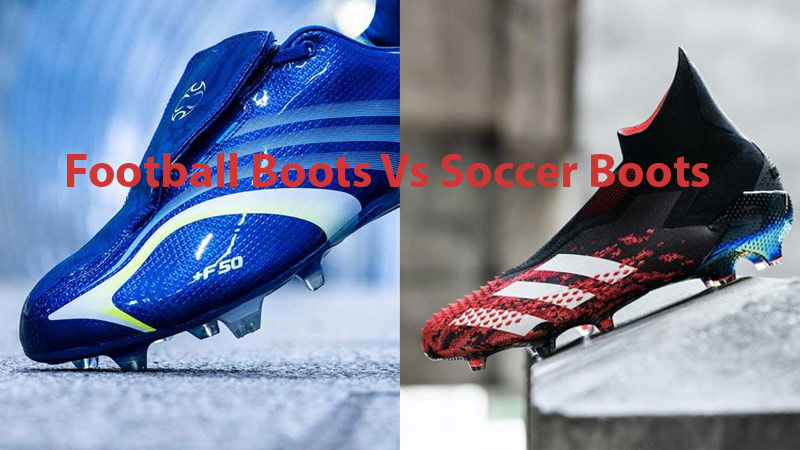
In the high-stakes world of competitive athletics, the margin between victory and defeat often rests on the smallest details. For field athletes, no detail is more critical than the equipment that connects them to the ground: their cleats.
Often referred to as studs or spikes, these specialized shoes are engineered with protrusions on the sole to provide the necessary traction on natural and artificial playing fields.
Because traction and support influence almost every movement—from the explosive start of a wide receiver to the precision strike of a striker—cleats are arguably the most essential piece of gear in an athlete’s arsenal.
For many multi-sport athletes or parents of young competitors, the temptation to use a single pair of cleats across different sports is high.
However, as a professional SEO content strategist and performance analyst, I can tell you that “universal” footwear is a myth that can compromise both performance and safety.
While soccer and football cleats share some visual similarities, their internal engineering and external stud configurations are fundamentally different.
This comprehensive guide delves into the technical nuances of soccer and American football cleats to help you make an informed investment that maximizes your athletic potential while minimizing injury risk.
Understanding the Foundation: Why Footwear Engineering Differs
Before we examine the specific features of each shoe, we must understand the “why” behind the design. Every sport has a unique movement profile.
Soccer is a game of continuous aerobic movement, rapid lateral cutting, and constant ball contact. American football is characterized by explosive bursts of speed, high-impact collisions, and the need for a stable base to push against heavy resistance.
When you choose a cleat, you aren’t just buying a shoe; you are buying a performance tool designed for a specific set of mechanical demands. Using the wrong tool can lead to “cleat-induced fatigue” or, worse, preventable orthopedic injuries.
Soccer Cleats: Precision, Agility, and Ball Feel
Soccer cleats are the Formula 1 cars of the footwear world—lightweight, streamlined, and built for speed. Their design philosophy centers on two pillars: weight reduction and ball control.
1. The Lightweight Design Philosophy
The primary goal of a soccer cleat is to feel like an extension of the foot. Manufacturers achieve this through a lightweight design that minimizes mass to improve speed and agility.
In a sport where players can run upwards of 7 miles per match, every ounce saved reduces the metabolic cost of movement.
2. Upper Materials and “Touch.”
Unlike any other sport, soccer requires the foot to interact directly with the ball. Consequently, soccer uppers are crafted from thin, grippy materials—often soft leather, high-tech textiles, or synthetic molds—that “mold” to the foot.
This thinness is intentional; it provides the player with a “barefoot” feel, allowing for optimal ball control and a sensitive “touch” during dribbling and passing.
3. Collar Height and Range of Motion
If you look at the professional pitch, you will notice that almost all soccer cleats feature a low-profile collar. This design is not just aesthetic; it allows for a full range of ankle motion.
Soccer players must be able to flex their ankles to strike the ball at various angles and to perform quick, 360-degree pivots without the restriction of a high-top cuff.
4. Stud Configuration and the “No Toe Stud” Rule
Soccer stud patterns are designed for firm-ground (FG) or soft-ground (SG) surfaces. They typically feature shorter, more numerous studs compared to football cleats.
This layout provides distributed grip that is safer during the frequent rotational movements of soccer.
Most importantly, soccer cleats never have a toe stud. In soccer, the toe area is used for ball contact and sprinting.
A stud at the very tip of the shoe would not only interfere with kicking mechanics but would also be a major safety hazard, as it could catch on the turf during a strike or cause serious injury to another player during a tackle.
Football Cleats: Power, Stability, and Impact Protection
If soccer cleats are Formula 1 cars, American football cleats are heavy-duty trucks. They are built to withstand the “rough and demanding nature” of a contact sport where forces are measured in hundreds of pounds.
1. Durability and Protection
Football cleats are constructed with thicker, more durable materials than soccer footwear. This is a necessity for protection. Whether it’s a lineman having his foot stepped on in the trenches or a player taking a high-impact hit, the shoe must act as a shield.
Consequently, these cleats are generally heavier, prioritizing stability and foot protection over pure weight reduction.
2. Position-Specific Engineering
One of the most significant differences in football footwear is the variety based on player position:
- Linemen: These players often opt for high-top cleats that provide maximum ankle support and a sturdy base for pushing against opponents.
- Skill Players (Wide Receivers/Defensive Backs): These athletes often choose mid-top or low-top cleats that are lighter and built for explosive speed.
- Kickers: This is the only position where you will see footwear that closely mimics soccer cleats to facilitate better ball control.
3. The Importance of the Toe Stud
The most distinct feature of a football cleat is the toe stud located at the very front of the sole. This stud is a game-changer for football-specific movements. It provides a firm base to push off from when starting a sprint or bracing for contact. Without this stud, a player might lose that crucial millisecond of traction needed to explode off the line of scrimmage.
4. Stud Length and Traction
Football cleats generally feature longer and thicker studs than soccer cleats. This allows for maximum “bite” into the turf, providing the grip needed to make sharp cuts or hold your ground against a 300-pound opponent.
The Crossover: Can You Use One for the Other?
As a strategist, I often look for efficiencies, but in footwear, “efficiency” often leads to deficiency.
Can you wear soccer cleats for football?
Technically, yes, but it is generally a bad idea. Soccer cleats lack the impact protection and the essential toe stud needed for most football positions.
You may find yourself lacking traction during explosive starts, and your feet will be more vulnerable to injury from impacts. The only notable exception is the kicker, who may prefer the soccer design for its superior ball-striking capabilities.
Can you wear football cleats for soccer?
The answer here is a firm no. First, the heavier design of football cleats will slow you down and lead to premature fatigue during a 90-minute match.
Second, and more importantly, the toe stud is strictly prohibited in soccer. Most referees will check the bottom of your cleats before a match; if they see a toe stud, you will not be allowed on the pitch because of the safety risk it poses to other players.
Beyond the Field: A Warning on Baseball Cleats
While baseball cleats may look similar to soccer cleats with their low-top designs, they are even more dangerous to “crossover” into field sports.
The Metal Spike Danger
Many baseball cleats use sharp metal spikes designed to dig into hard dirt. These spikes are a severe safety hazard on a soccer or football field and are banned in almost all non-baseball field sports.
The Toe Spike
Like football cleats, baseball shoes have a toe spike for pitching and baserunning leverage. As established, this is a disqualifying feature for soccer.
Expert Maintenance: Protecting Your Investment
High-quality cleats from brands like Under Armour are a significant investment. To ensure they provide peak performance throughout the season, follow these professional maintenance protocols:
Immediate Cleaning
After every session, use a cloth to wipe away surface dirt. Use a dull tool (like a stick or a specialized brush) to clear mud and grass from between the studs.
Gentle Detergents Only
If your cleats are heavily stained, use a mild detergent and a damp cloth. Never use harsh chemicals or “heavy-duty” cleaners, as these can break down the synthetic bonds and leathers, shortening the life of the shoe.
Air Dry Only
Never put cleats in a dryer or under a direct heat source. This can cause the soles to warp or the adhesives to fail.
Monitor for Replacement
Regularly inspect your uppers for rips and your studs for excessive wear. Worn-down studs lead to “slippage,” which is a leading cause of non-contact ACL and ankle injuries.
Conclusion: Choose for Performance, Play for Longevity
In the world of sports, your equipment is the bridge between your training and your performance.
While it might seem convenient to swap shoes between seasons, the engineering realities of soccer and football cleats make specialized footwear a necessity, not a luxury.
Soccer cleats offer the agility and touch required for the beautiful game, while football cleats provide the protection and power required for the gridiron.
By choosing the sport-specific tool, you aren’t just improving your stats; you are protecting your body and ensuring you can stay in the game for years to come.
Ready to gear up? Whether you’re looking for the lightweight UA Blur Pro or a sturdy pair of football spikes, ensure you are shopping by sport to get the exact features your game demands.
Frequently Asked Questions (FAQ)
Q: Can I use soccer cleats on artificial turf?
A: Yes, most firm-ground (FG) soccer cleats are designed to work on both natural grass and modern artificial turf. However, some brands offer specific “AG” (Artificial Grass) models with even shorter studs to prevent “sticking” in the turf.
Q: Why do football kickers wear soccer cleats?
A: Kickers prioritize “ball feel” and a clean striking surface, similar to soccer players. The thinner uppers of soccer cleats allow for more precision when making contact with the football.
Q: Is it okay to buy cleats a size larger for “room to grow”?
A: In sports like soccer, a snug fit is essential for ball control. A shoe that is too large can cause blisters and reduce your ability to “feel” the ball. It is better to have a proper fit for the current season than a shoe that compromises performance for future growth.
Q: How do I know when my studs are too worn down?
A: If the studs have lost their original shape or are worn down to less than half of their original length, they can no longer provide reliable traction. If you find yourself slipping on dry grass, it is time for a replacement.