

The band that Boston Scott wore around his neck during games was not a fashion accessory. It was a Q-Collar, a device designed to help protect the brain from repeated head impacts.
Scott, a running back who played for the Philadelphia Eagles from 2018 to 2023, was one of several NFL players to wear the collar.
Below, we explain what the Q-Collar is, how it is supposed to work and what the research says.
Scott retired from the NFL in March 2026. He had not played in a game since the 2023 season.
What Is Boston Scott Wearing on His Neck?
Boston Scott, a former running back for the Philadelphia Eagles, was often seen wearing a band around his neck during games.
But what is this band and what does it do? The band is called the Q-Collar, and it is a device that helps protect the brain from repetitive head impacts.
In 2021, the U.S. Food and Drug Administration authorized the Q-Collar for marketing to athletes 13 and older to help protect the brain from repetitive head impacts. It works by applying light pressure to the sides of the neck, which is meant to slightly increase blood volume in the brain’s veins.
The idea is that this “fuller” brain moves less inside the skull during impacts. The FDA noted, however, that the device has not been shown to prevent concussions or serious head injuries.
The Q-Collar is designed to be worn in addition to a helmet, which protects the skull from direct contact and spreads the impact over a greater surface area.
However, helmets do not limit brain movement, which can damage the deep tissue (white matter) of the brain.
Repeated hits can contribute to long-term problems, and researchers continue to study links between football head impacts and conditions such as chronic traumatic encephalopathy (CTE).
Boston Scott was one of a number of NFL players who wore the Q-Collar as an extra layer of protection for their brain health.
Several other NFL players, including linebackers and running backs who take frequent hits, have also worn the collar.
The Q-Collar is not only for NFL players, but for anyone who participates in sports or activities that involve head impacts.
The Q-Collar was developed by Q30 Innovations and is sold to athletes in football, hockey, soccer and other contact sports.
The Q-Collar is a revolutionary device that aims to make sports safer and more enjoyable for everyone.
What Is a Q-Collar Used For?
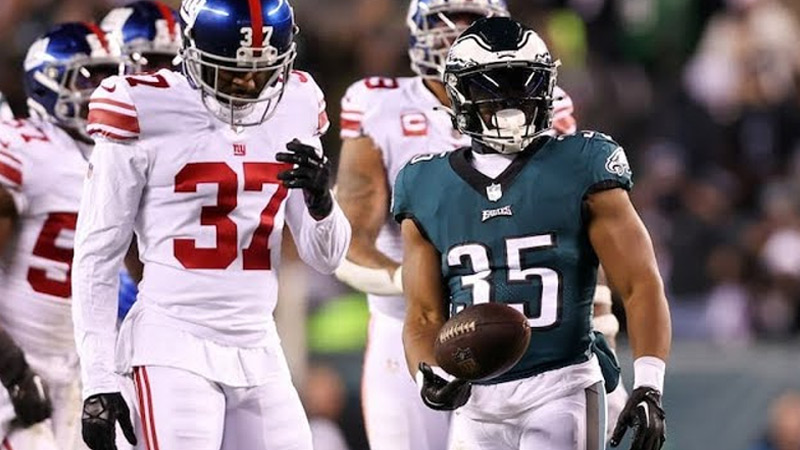
The Q-Collar is used by athletes in contact and collision sports, such as football, hockey, lacrosse and soccer, to help protect the brain from repeated head impacts. It is worn during games and practices, along with standard protective equipment like a helmet.
It is not a treatment for concussions, and it does not replace a helmet or proper tackling technique. (It should not be confused with cranial orthoses, the custom helmets used to correct head shape in infants.)
Does Q-Collar Protect Athletes’ Brains?
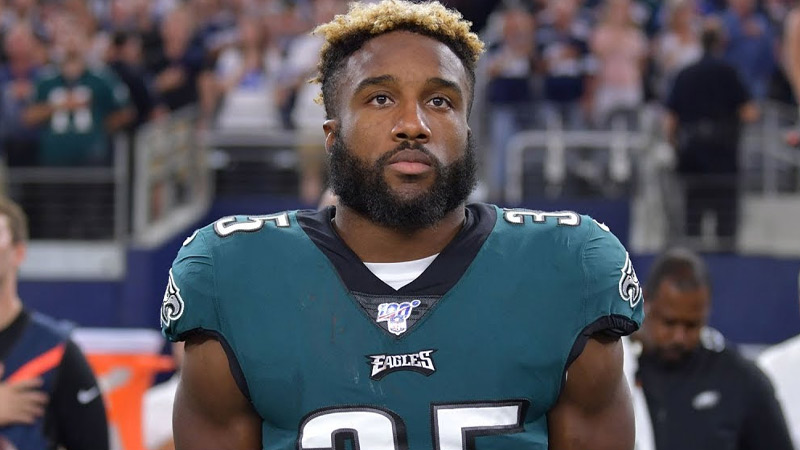
The Q-Collar is a device designed to be worn around an athlete’s neck, with the intent of potentially reducing brain trauma during sports activities, primarily by slightly increasing blood volume in the head.
However, its effectiveness and the extent to which it can protect athletes’ brains are subjects of ongoing research and debate. There is no conclusive evidence yet to definitively state that the Q-Collar effectively protects athletes’ brains.
While some studies suggest that it might reduce brain trauma by slightly increasing blood volume in the head, the results are not consistent across all research.
Brain injury is a complex issue, and the Q-Collar is just one of several interventions and safety measures aimed at addressing this concern.
Athletes and sports organizations should continue to prioritize proven safety measures such as proper equipment, rule enforcement, and player education to reduce the risk of head injuries.
The use of the Q-Collar should be considered in consultation with medical professionals and based on the most current research findings.
How Does the Q-Collar Work?
The Q-Collar is a medical device designed to potentially reduce the risk of brain injury, particularly concussions, by slightly increasing blood volume in the head. Its mechanism of action is based on the concept of “intracranial compliance.”
Here’s how the Q-Collar works:
Intracranial Compliance
The device is worn around the neck and exerts a gentle, circumferential pressure. This pressure is believed to create a slight restriction of blood flow out of the cranial vault (the bony structure that encases the brain).
By limiting the outflow of blood from the brain, the Q-Collar aims to increase blood volume within the cranial vault, particularly in the venous blood vessels.
Protection During Impact
The Q-Collar is typically used in contact sports like American football, soccer, and hockey, where athletes are at risk of sustaining head impacts.
When an athlete experiences an impact or collision, there is a rapid acceleration and deceleration of the head. This movement can lead to the brain striking the inner skull, potentially causing injury.
Reduced Brain Movement
The increased blood volume in the head, as facilitated by the Q-Collar, is thought to help mitigate the movement of the brain within the cranial vault during these rapid head movements. This, in turn, is believed to reduce the risk of brain injury, such as concussions.
FAQS
Is Boston Scott’s neck band a fashion statement?
No. The band Scott wore was a Q-Collar, a brain-protection device, not a fashion accessory.
Who can wear a Q-Collar?
The FDA authorized the Q-Collar for athletes aged 13 and older. Anyone considering one should talk with a doctor or athletic trainer first.
How should a Q-Collar fit?
The collar should sit snugly but comfortably around the neck according to the manufacturer’s sizing guide. It is worn in addition to, not instead of, a helmet.
Does the Q-Collar really work?
Research is still ongoing. Some studies found fewer brain changes in athletes who wore the collar, but it has not been shown to prevent concussions.
To Recap
The band around Boston Scott’s neck was a Q-Collar, a device meant to help protect the brain from repetitive head impacts.
Scott, known to Eagles fans as the “Giant Killer” for his big games against New York, wore it during his playing days in Philadelphia.
While the collar is FDA-authorized, it has not been proven to prevent concussions, and research on its benefits continues.
Scott retired in March 2026 after six seasons with the Eagles.
