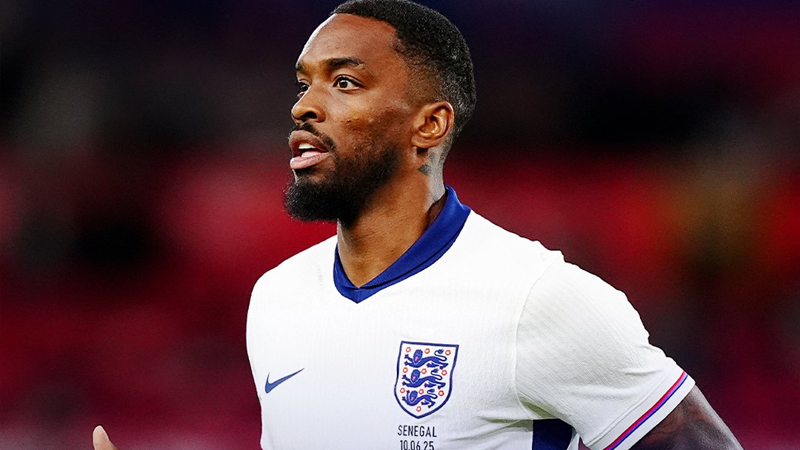
The suspension of Ivan Toney sent shockwaves through the Premier League, leaving fans and analysts questioning how a top-tier striker could face such a significant sideline.
As Brentford’s leading goal scorer, Toney’s absence was a massive blow to the club’s ambitions, particularly given he had scored 33% of their goals that season.
The Football Association’s decision was the culmination of an extensive investigation into betting breaches spanning several years.
This article provides a comprehensive analysis of the specific rule violations, the psychiatric diagnosis that influenced the sentencing, and the regulatory framework that governs professional football, offering a definitive look at why Ivan Toney was banned.
The Regulatory Framework: FA Rule E8 Explained
Understanding the ban requires a deep look at the strict guidelines professional players must follow to maintain the integrity of the sport.
The Football Association (FA) maintains a zero-tolerance policy toward gambling to ensure that no participant can influence the outcome of a match or profit from non-public information.
Global Prohibitions on Betting
Betting on football is banned worldwide for all players, managers, coaches, and club staff involved in the English league system, from the Premier League down to the Isthmian leagues.
This is not limited to matches involving a player’s own team; the ban covers any football match or competition taking place anywhere in the world.
The rule is designed to prevent even the appearance of a conflict of interest, ensuring that those with intimate knowledge of the sport do not participate in the gambling markets associated with it.
The Concept of Inside Information
Beyond placing direct bets, FA Rule E8 prohibits the sharing of “inside information”. This refers to any details a player is aware of due to their position in the game that are not yet public, such as injury updates, transfer news, or team selection.
Passing this information to someone who then uses it for betting purposes is a direct violation of league integrity. In Toney’s case, this specific rule played a significant role in the charges leveled against him.
The Specific Charges: Analyzing the 232 Breaches
The scale of the violations was unprecedented in recent Premier League history, covering a period between February 2017 and January 2021.
While Toney was initially charged with 262 breaches, the FA eventually withdrew 30, and the striker admitted to the remaining 232 violations.
Betting on Club Outcomes
A significant portion of the breaches involved Toney placing bets on matches involving his own teams.
The Independent Regulatory Commission’s report detailed that Toney placed 13 bets against his parent club, Newcastle United, while he was away on loan at other clubs.
Crucially, he did not play in any of those specific matches, which helped differentiate his actions from match-fixing. Additionally, he placed 16 bets on his own teams to win across 15 different matches, appearing in 11 of those contests himself.
Individual Performance Wagers and Inside Information
Toney also engaged in betting on his own individual performance, which is a high-level breach of league rules. He placed 15 individual bets on himself to score in nine different matches.
Furthermore, the investigation revealed a breach regarding the disclosure of inside information; Toney informed a friend that he would be starting in an upcoming match before that information was made public.
This breach of team selection confidentiality is a primary concern for the FA as it gives gamblers an unfair advantage in the betting markets.
| Type of Betting Breach | Number of Incidents | Context/Details |
|---|---|---|
| Bets against parent club | 13 | Occurred while on loan; did not play in matches |
| Bets on own team to win | 16 | Played in 11 of these 15 matches |
| Bets on himself to score | 15 | Across 9 different matches |
| Inside Information | 1 | Informed friend of starting status |
The Sentencing Process: Why Eight Months?
The length of the suspension was the subject of much debate between the FA and the Independent Regulatory Commission.
The final eight-month ban was a compromise that took into account both the severity of the breaches and significant mitigating factors presented by Toney’s legal team.
The Role of the Independent Regulatory Commission
It is important to note that the FA itself did not impose the final sanction. While the FA conducts the investigation and brings the charges, the final decision is made by an Independent Regulatory Commission.
This body is typically comprised of senior legal figures, such as former high court judges and lawyers, who evaluate the facts of the case objectively.
Their goal is to determine a sanction that is suitable for the admitted charges while considering the professional circumstances of the player.
Mitigation and the Gambling Addiction Diagnosis
The FA originally pushed for a significantly harsher 15-month ban, citing that Toney had initially misled investigators and lied during his interviews. However, the defense presented an official psychiatric evaluation which diagnosed Toney with a gambling addiction.
This medical diagnosis, combined with his eventual admission of guilt, led the commission to reduce the punishment to eight months and a £50,000 fine.
The commission recognized the addiction as a primary driver for the behavior rather than a malicious attempt to undermine the sport’s integrity.
Comparing the Case: Why This Wasn’t Match-Fixing
Distinguishing between betting breaches and match-fixing is crucial for a player’s long-term reputation and career. While the charges against Toney were numerous and serious, the investigation was clear in its findings regarding his intent on the pitch.
Lack of On-Field Influence
The primary reason this case was not classified as match-fixing is that Toney never played in the matches where he bet against his own club.
Because he was on loan at other clubs during those specific 13 bets against Newcastle, he had no power to influence the outcomes of those games.
For a charge to escalate to match-fixing, there must be evidence that a player intentionally performed poorly or altered the course of a game to satisfy a bet.
Commission Findings on Integrity
The Independent Regulatory Commission explicitly noted in its report that Toney did not have the opportunity to manipulate the matches he bet on. This finding was essential in allowing him a path back to professional football.
Had there been any evidence of match manipulation, the ban would likely have been measured in years or resulted in a lifetime exclusion from the sport. Instead, the focus remained on his breach of the general betting prohibitions and the misuse of inside information.
The Impact on Brentford and the Road to Return
Toney’s absence forced Brentford to adapt their entire offensive strategy during the peak of their Premier League campaign. As a player who scored over a fifth of his team’s goals, his sudden removal from the squad on May 18, 2023, left a void that was difficult to fill.
Training Restrictions and Timeline
The ban was not just limited to match days; it covered all football-related activity with immediate effect. This meant Toney was prohibited from even training with his teammates for the first four months of the suspension.
He was only allowed to return to the Brentford training ground on September 17, 2023, to begin rebuilding his match fitness.
This “split” nature of the ban was designed to ensure he remained punished by isolation while still allowing him enough time to prepare for his eventual return to competitive play.
The Return to Professional Football
The eight-month suspension officially expired on January 16, 2024. On January 17, Toney was eligible to return to the pitch, ending a long period of professional exile.
His return was highly anticipated, not just by Brentford fans but by the wider football community curious to see how he would perform after such a long layoff.
The club’s support during this period was unwavering, as they waited for the publication of the written reasons for the ban before deciding on their internal next steps.
Frequently Asked Questions About the Ivan Toney Ban
Can a player bet on other sports?
Yes, the FA ban specifically targets football-related betting. Players are generally permitted to bet on other sports, provided they do not violate any personal club contracts or general conduct rules.
What happens if a player moves abroad during a ban?
The current ban only technically covers English football. However, if a player tries to move to a league in another country, the FA can submit a request to FIFA to have the ban extended worldwide.
Why was the fine only £50,000?
While £50,000 is a significant sum, it is small compared to a Premier League salary. The primary punishment intended by the commission was the loss of playing time and the professional stigma of the eight-month suspension.
Did Ivan Toney bet on himself to lose?
No. While he bet against his parent club (Newcastle) while out on loan, he never bet on himself or his active team to lose a match in which he was participating.
Conclusion: A Lesson in Accountability
The case of Ivan Toney serves as a stark reminder of the rigorous standards maintained within professional English football.
The 232 admitted breaches of FA Rule E8 highlights a period of significant personal and professional struggle for the striker, underscored by a diagnosed gambling addiction.
By imposing an eight-month ban and a substantial fine, the Independent Regulatory Commission sent a clear message that the integrity of the game is paramount, regardless of a player’s star power or importance to their club.
For Toney, the journey from suspension to his return on January 17, 2024, has been a path of accountability and rehabilitation.
His case has prompted wider discussions within the sport about the relationship between football and the gambling industry, as well as the need for better mental health and addiction support for athletes.
Ultimately, the ban was a “significant punishment” designed to deter future breaches while providing a framework for a player to earn their way back to the top tier of global football.