In the high-stakes, pressure-cooker environment of professional football, the metric of an athlete’s value has traditionally been measured solely by on-field production. However, a profound shift is occurring across the sports landscape.
Modern athletic franchises and their star performers increasingly recognize that sustained excellence on the turf is inextricably linked to mental clarity, behavioral stability, and proactive lifestyle design off the field.
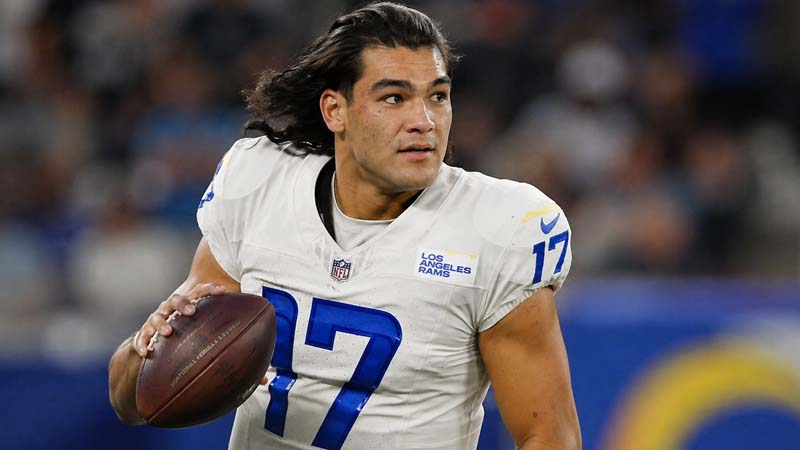
The recent offseason journey of Los Angeles Rams wide receiver Puka Nacua serves as a highly visible case study in this evolving paradigm.
When news emerged that the breakout star had entered a holistic care facility, it immediately triggered intense speculation and a flurry of queries from fans, analysts, and fantasy managers alike.
To understand the true nature of this decision, one must look beyond the sensationalized headlines and analyze the deliberate, voluntary steps taken by Nacua to structure his lifestyle, address personal challenges, and safeguard his professional future.
Understanding the Stint: Voluntary Growth vs. Reactive Action
When the public hears that a professional athlete has entered a treatment facility, the immediate assumption is often that a crisis has occurred or a league-mandated intervention has been triggered.
In the case of the Rams’ wideout, however, the framing of the stay points to a different, much more proactive philosophy.
According to statements from his legal representation, Nacua’s time in the facility was a voluntary initiative centered on general self-improvement, behavioral refinement, and comprehensive lifestyle structuring.
Rather than waiting for external pressures or disciplinary bodies to dictate his path, Nacua chose to step away to focus on personal well-being and overall behavior.
In professional sports, “lifestyle structuring” refers to the process of building a sustainable daily routine that balances the intense physical demands of training with the psychological pressures of sudden fame, financial abundance, and public scrutiny.
For a young athlete navigating a rapid rise to stardom, the absence of a rigid, supportive framework can lead to decision-making vulnerabilities.
Seeking professional guidance to establish these boundaries is increasingly viewed by elite sports psychologists not as a sign of weakness, but as a strategic business decision to ensure career longevity.
The Critical Importance of the Timeline
In both the court of law and the court of public opinion, timing is everything. A central point of emphasis from Nacua’s representatives is the precise sequence of events leading up to his stay in the holistic care facility.
To understand how his voluntary treatment relates to his broader offseason challenges, it is helpful to examine the key milestones of his offseason:
| Event / Milestone | Nature of the Action | Strategic Implications & Context |
|---|---|---|
| Voluntary Entry into Holistic Facility | Proactive / Personal Care | Began before the filing of formal civil litigation. Focused on behavioral improvement, lifestyle structuring, and general self-improvement. |
| Filing of Civil Lawsuit | External / Legal Action | Filed by a female plaintiff alleging assault, battery, and negligence stemming from a New Year’s Eve incident. |
| Legal Defense Response | Formal Denials & Counter-Arguments | Strongly denied all allegations of misconduct. Characterized the physical contact in question as “horseplay” rather than intentional harm. |
| Completion of Treatment | Re-entry into Professional Duties | Successfully concluded the short stint in care prior to the commencement of mandatory team activities. |
| Return to Team Facilities | Full Re-integration | Resumed 100% participation in the Los Angeles Rams’ offseason workouts and formal program. |
The distinction made by his legal team—that his treatment began before the civil lawsuit was officially filed—is vital.
It serves to counter the narrative that the rehab stint was merely a reactive, defensive public relations maneuver designed to mitigate legal damage or curry favor with judges and league officials.
Instead, it supports the assertion that Nacua recognized the need for lifestyle adjustments independently of the impending legal timeline.
Off-Field Challenges and Public Scrutiny
To fully appreciate why a young star would seek out a holistic care program, one must examine the specific off-field headwinds he faced during the offseason.
The transition from a collegiate environment to the intense spotlight of a major media market like Los Angeles can expose an individual to significant personal and social pressures.
Nacua’s offseason was marked by several distinct points of public controversy that highlighted the need for greater behavioral structure:
- The Civil Litigation (New Year’s Eve Incident): The most serious challenge arose from a civil lawsuit filed by a woman alleging assault, battery, and negligence. The lawsuit stems from an altercation on New Year’s Eve, which allegedly involved a physical bite and an antisemitic remark.
- The Legal Team’s Refutation: In response to these severe claims, Nacua’s legal counsel has maintained a stance of total denial. They have explicitly characterized the physical interactions of that evening as non-malicious “horseplay,” seeking to strip the incident of the aggressive intent required to prove civil assault and battery.
- A History of Live-Streaming Scrutiny: This was not the first time Nacua found himself apologizing to the public. Earlier in his career, he faced scrutiny after making an inadvertent gesture with antisemitic undertones during an internet livestream. Though he apologized and characterized the gesture as unintentional, the incident highlighted the risks of unmonitored public broadcasts for high-profile figures.
- Friction with League Officials: In addition to social controversies, Nacua had previously drawn criticism for making public, critical remarks regarding game officials. While common in professional sports, repeated outbursts of this nature can signal to a coaching staff and front office a struggle with emotional regulation under pressure.
When viewed collectively, these incidents paint a picture of a highly talented young man experiencing the growing pains of sudden public visibility.
For elite athletes, behavioral slip-ups are not merely personal embarrassments; they represent significant liabilities to their personal brand, their team’s culture, and their financial security.
A holistic care facility provides a controlled environment away from the cameras where an athlete can unpack these patterns of behavior, understand the triggers of public friction, and learn strategies to de-escalate high-stress social situations.
What is “Holistic” Care in Modern Sports?
The term “rehab” carries a broad range of meanings. While traditional rehabilitation facilities focus primarily on chemical dependency or physical injury recovery, a holistic care facility takes a multi-dimensional approach to human performance.
For a professional athlete, holistic care typically integrates several core disciplines:
- Cognitive Behavioral Strategies: Helping the athlete identify negative patterns of thought and behavior, particularly under stress or during social interactions, and replacing them with constructive, deliberate responses.
- Lifestyle Architecture: Designing a daily regimen that emphasizes structured sleep, nutritional discipline, stress-reduction techniques (such as mindfulness and meditation), and a healthy boundary between public life and private recovery.
- Media and Public Relations Literacy: Teaching young individuals how to navigate the constant presence of social media, live-streaming, and public interactions without exposing themselves or their organizations to unnecessary risk.
- Conflict Resolution & De-escalation: Providing practical tools to handle social friction, party environments, and unexpected confrontations safely and professionally, ensuring that physical “horseplay” or verbal misunderstandings do not escalate into legal liabilities.
By focusing on the entire individual rather than just the physical body or a single behavioral issue, holistic programs aim to create a balanced foundation. This preparation is designed to help the athlete return to their team better equipped to handle the relentless demands of a 17-game NFL season and the constant media attention that accompanies it.
The Return to Play: Re-integration and Current Status
For the Los Angeles Rams organization and their fan base, the ultimate measure of success for this holistic intervention is Nacua’s readiness to perform his duties on the field.
The transition from a structured therapeutic environment back into the highly competitive atmosphere of an NFL locker room requires careful management.
Fortunately for the Rams, the timeline of Nacua’s care was structured to minimize disruption to his professional commitments.
He successfully completed his short stay in the holistic facility prior to the start of scheduled, mandatory team activities.
Since completing the program, Nacua has returned to the team’s facility and is fully participating in the Rams’ offseason workouts and conditioning programs.
This seamless re-entry suggests that both the coaching staff and the front office are supportive of his proactive steps and satisfied with his progress.
By addressing his off-field challenges early in the spring, Nacua has cleared the runway to focus entirely on football as the team prepares for the upcoming competitive campaign.
Conclusion: A Blueprint for the Modern NFL Star
The story of Puka Nacua’s offseason is a complex narrative of rapid success, real-world friction, and proactive correction.
By voluntarily stepping away to focus on behavioral improvement and lifestyle structuring, Nacua has demonstrated a mature recognition of the responsibilities that come with elite athletic status.
While the civil legal process will continue to play out in the background, Nacua’s proactive approach to his mental and behavioral well-being has allowed him to rejoin his teammates without delaying his physical preparation for the season.
As sports franchises continue to invest heavily in the mental health and holistic development of their rosters, Nacua’s decision to prioritize personal growth off the field may well become the standard blueprint for young athletes looking to navigate the transition from overnight sensations to sustainable, long-term professionals.