Reggie Jackson’s seemingly bloodshot eyes are frequently misunderstood by fans and casual observers alike.
For the MLB legend, this distinct visual trait is caused by racial melanosis, a harmless, age-related condition where melanin pigment naturally collects in the eye’s clear membrane.
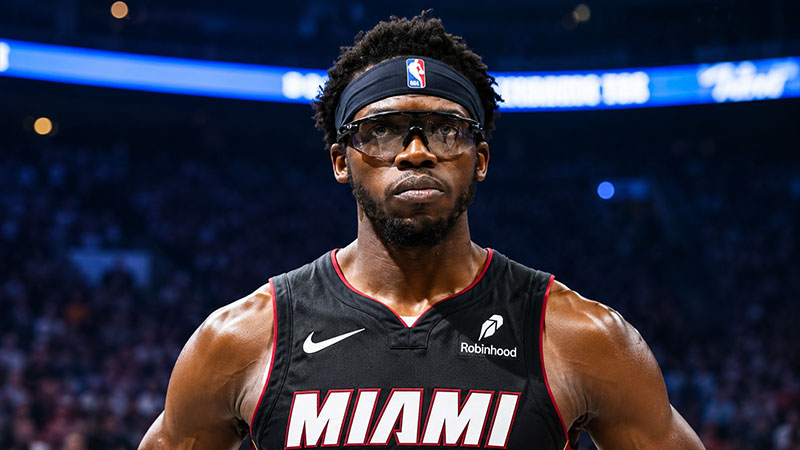
This creates a reddish or yellowish appearance on the whites of the eyes, often mistaken for fatigue. Conversely, if you are referring to the NBA star, his ocular identity involves signature protective goggles worn since 2021 following a severe injury.
This guide clarifies these visual markers, debunking myths and explaining the biological reasons behind them.
Why Do Reggie Jackson’s Eyes Look Bloodshot?
The visual appearance of MLB Hall of Famer Reggie Jackson has often sparked questions regarding his health, specifically concerning the persistent discoloration of his eyes.
Many viewers assume that the “red” or “muddy” look is a sign of exhaustion, irritation, or even illness. However, the reality is rooted in a common biological occurrence rather than a medical emergency or a lifestyle factor.
To understand the specific appearance of his eyes, it is helpful to look at the primary characteristics of the condition affecting him:
- Natural Pigmentation: The discoloration is not caused by broken blood vessels but by a buildup of melanin.
- Color Variation: The patches on the white part of the eye (sclera) often appear as brown, yellowish, or muddy reddish tones.
- Age Progression: As individuals age, these pigmented areas tend to become more prominent and spread across the surface of the eye.
- Benign Nature: This is a non-threatening condition that does not impair vision or indicate internal ocular disease.
By recognizing these factors, it becomes clear that what people perceive as “bloodshot” is actually a stable, physiological trait associated with his ethnic background and the natural aging process.
What Is Racial Melanosis and How Does It Occur?
Racial melanosis, also known as conjunctival melanosis, is a condition that is frequently observed in individuals with darker skin pigmentation.
It involves the accumulation of melanocytes—the cells responsible for producing skin and hair color—within the conjunctiva. The conjunctiva is the thin, transparent membrane that covers the white part of the eye and lines the inside of the eyelids.
The Biological Mechanism of Pigment Pooling
In many cases, the body naturally produces excess melanin in certain areas. When this happens in the eye, the pigment doesn’t stay invisible; it pools in the clear outer layer.
Because the conjunctiva is transparent, the underlying pigment becomes visible against the white background of the sclera.
This is a common occurrence in people of African, Asian, or Hispanic descent. According to clinical expertise, this condition is almost always bilateral, meaning it affects both eyes relatively symmetrically, which is a key indicator for doctors to distinguish it from more serious, localized lesions.
Distinguishing Melanosis from Standard Redness
It is vital to differentiate between melanosis and a standard “bloodshot” eye. A bloodshot eye, or conjunctival injection, occurs when the small blood vessels on the surface of the eye become enlarged or inflamed.
This can be due to allergies, dryness, or lack of sleep. In contrast, the appearance seen in Reggie Jackson is a flat, pigmented area that does not fluctuate with rest or eye drops.
While a broken blood vessel (subconjunctival hemorrhage) would appear as a bright, alarming red spot that fades over weeks, racial melanosis remains a consistent part of the individual’s visual identity for years.
Why Does the NBA’s Reggie Jackson Always Wear Goggles?
While the MLB legend is known for the natural appearance of his eyes, the modern NBA guard Reggie Jackson is recognized for a distinct piece of equipment: his protective goggles.
This has led to a different type of “ocular identity” that is often conflated with the older athlete when fans search for “Reggie Jackson eye issues” online.
The Catalyst: A 2021 On-Court Injury
The transition to wearing goggles was not a fashion choice but a necessity born from a high-stakes athletic environment. In 2021, during a game, Reggie Jackson suffered a severe accidental scratch behind his eye.
This injury was caused by an opponent’s fingernail, a common but dangerous occurrence in the NBA where players frequently reach for rebounds and steals.
The severity of the scratch prompted medical staff to recommend protective eyewear to prevent further trauma during the healing process and to mitigate the risk of future permanent damage.
The Psychological Shift and Performance Streak
Initially, Jackson was not a proponent of the goggles, finding them an adjustment to his usual playing style. However, professional sports are often dictated by results and psychology.
Shortly after adopting the gear, Jackson entered an incredible shooting streak. In the world of elite athletics, performance often overrides personal preference. His teammates reportedly encouraged the look, claiming he “couldn’t miss” while wearing them.
This reinforcement turned a medical necessity into a permanent, signature part of his uniform, driven as much by superstition and confidence as by safety.
How Do Professional Athletes Protect Their Ocular Health?
The two cases of Reggie Jackson highlight the different ways ocular health intersects with professional sports. On one hand, we have the natural biological evolution of an athlete’s appearance over a decades-long career.
On the other, we see the immediate adoption of technology to protect a vital sensory organ.
| Athlete Type | Primary Ocular Trait | Cause | Resulting Perception |
|---|---|---|---|
| MLB (Reggie Jackson) | Discolored/Red Sclera | Racial Melanosis | Frequently mistaken for fatigue |
| NBA (Reggie Jackson) | Protective Goggles | Traumatic Injury | Viewed as a signature “look” |
| General Professional | High Sensitivity | Visual Training | Enhanced reaction times |
Protecting the eyes is paramount in sports like baseball and basketball, where depth perception and tracking are the difference between a Hall of Fame career and an early exit.
While the MLB Jackson’s condition is benign and requires no intervention, the NBA Jackson’s use of goggles represents a proactive approach to career longevity.
In the modern era, many athletes utilize similar eyewear to guard against the very type of fingernail injuries that sidelined Jackson in 2021.
What Are the Most Common Misconceptions About Eye Discoloration?
Public figures are often subject to intense scrutiny, and any deviation from a “perfect” aesthetic can lead to unfounded rumors.
Reggie Jackson’s eyes have been the subject of internet speculation for years, largely due to a lack of public understanding regarding ocular anatomy. It is essential to address these myths with factual evidence to ensure a high level of accuracy in public discourse.
- The Fatigue Myth: Many believe that “red eyes” always mean a person is tired. In the case of melanosis, the “redness” is actually brown or yellow pigment that stays the same regardless of how many hours the athlete sleeps.
- The Illness Misconception: Some fans worry that discolored eyes indicate liver issues or jaundice. While jaundice does cause yellowing, it typically affects the entire eye and skin, whereas melanosis appears as patchy, localized pigment.
- The Lifestyle Rumor: Historically, bloodshot eyes have been unfairly linked to substance use or poor health habits. For the MLB legend, these rumors are entirely debunked by the biological reality of his tissue traits.
Understanding that these visual markers are often just “skin and tissue traits” helps shift the focus back to the athlete’s performance and legacy rather than their anatomy.
Frequently Asked Questions About Reggie Jackson’s Eye Appearance
Is Racial Melanosis Contagious or Dangerous?
Racial melanosis is neither contagious nor dangerous. It is a benign condition, meaning it does not lead to cancer or vision loss. It is simply a variation of normal human anatomy, much like having a freckle or a birthmark.
It does not require treatment unless a doctor notices changes in the shape or thickness of the pigment, which would then suggest a different condition entirely.
Can the NBA Player See Better with Goggles?
While the goggles were originally intended for protection following a scratch, they do not necessarily provide “supervision”. However, they do offer a psychological edge.
In high-pressure environments like the NBA playoffs, anything that increases a player’s confidence—like a “lucky” pair of goggles—can lead to better focus and, subsequently, better shooting percentages.
Do Other Baseball Players Have This Condition?
Yes, racial melanosis is very common among athletes of color across all sports. Because professional baseball players are often seen in high-definition close-ups and spend a significant amount of time in the sun, the pigmentation can become more noticeable to the public eye.
The condition is a natural part of the human experience for millions of people worldwide.
Understanding the Visual Legacy of Two Legends
The stories of the two Reggie Jacksons remind us that visual identities in sports are often a blend of biology and biography. One man carries the natural markers of his heritage and his age, while the other carries the protective gear of a modern warrior.
Both have had their “ocular identity” shaped by events outside their control—one by genetics and the other by a stray fingernail on the court.
By distinguishing between the benign medical reality of racial melanosis and the protective necessity of athletic goggles, fans can better appreciate the careers of these two icons.
It is a reminder that what we see on the surface is rarely the whole story, and a little bit of scientific context can go a long way in clearing up years of misconception.