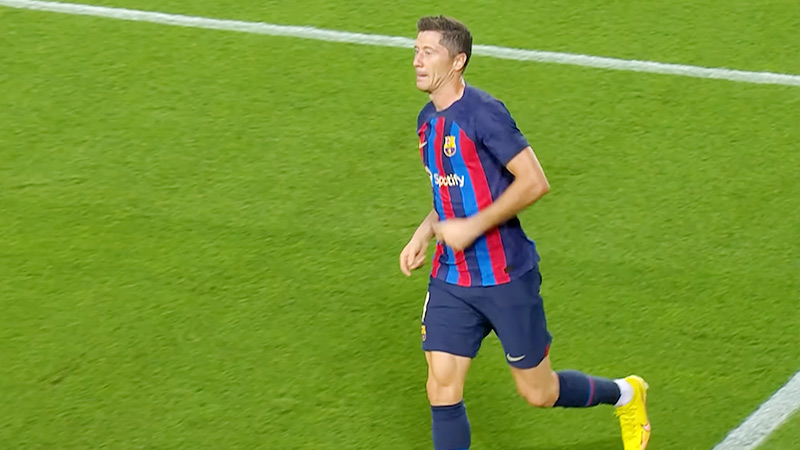
The summer of 2022 marked a seismic shift in European football when Robert Lewandowski left Bayern Munich for FC Barcelona. After eight prolific years in Munich, the Polish striker sought a new environment to cement his legacy.
While many questioned the logic of leaving a stable champion, the decision was multifaceted and strategic. It involved a blend of personal dreams, family considerations, and professional branding.
This analysis examines the core reasons why the world’s premier striker chose the Camp Nou for his next chapter.
Fulfilling a Long-Term Spanish Dream
The transition to La Liga was not a sudden impulse for the Polish international. For many years, Lewandowski harbored a deep-seated desire to test his abilities in the Spanish top flight.
The Appeal of a Historic Club
Lewandowski explicitly stated that playing for a historic club like Barcelona was a personal dream. He viewed the opportunity to join the Catalan giants as a way to write a new chapter in his storied career.
Despite the club’s financial hurdles at the time, the prestige of the Blaugrana remained a primary draw.
Seeking a Private Opportunity
The striker described the move as a private opportunity to experience a new culture and league. After spending twelve years in Germany, including four at Borussia Dortmund and eight at Bayern, he felt the need for a fresh start.
This internal drive for a new challenge outweighed the security of remaining in the Bundesliga.
Stepping Out of the Bundesliga Comfort Zone
After achieving nearly every possible milestone in Germany, Lewandowski felt his journey in the Bundesliga had reached its natural conclusion. He sought to prove his quality in a different tactical environment.
| Aspect | Achievements in Germany | Motivation for Change |
|---|---|---|
| Titles | 10 Bundesliga Titles | Desire for La Liga Trophy |
| Records | Breaking seasonal scoring records | Proving worth in a new league |
| Competition | Perceived dominance of Bayern | Seeking a more competitive “saga” |
The Need for a New Challenge
Lewandowski believed he had achieved everything possible within the German football ecosystem. Staying at Bayern would have likely meant more domestic titles, but it offered little in terms of new professional growth. He felt that moving to a club in transition provided a more meaningful goal.
Global Visibility and Recognition
There is a prevailing sentiment that performing in La Liga offers higher global visibility than the Bundesliga.
Analysts suggested that moving to a global marketing powerhouse like Barcelona would enhance his “brand” significantly. This visibility is often tied to individual awards and commercial opportunities.
The Xavi Hernandez Factor and Tactical Vision
A major catalyst for the move was the leadership and tactical philosophy of the manager at the time, Xavi Hernandez. Their conversations played a pivotal role in convincing the striker.
Conversations with Xavi
Lewandowski noted that he had been speaking to Xavi and was impressed by his ideas for the team. He felt a strong connection to Xavi’s vision of returning Barcelona to the top of European football. The manager’s history as a legendary player added weight to his coaching project.
Becoming the Focal Point
The striker wanted to be the centerpiece of a rebuilding project in the post-Messi era. Xavi convinced him that he would be the focal point of the attack and a leader for the younger squad members. This role offered more personal satisfaction than being one of many stars in Munich.
Individual Ambition and the Ballon d’Or Pursuit
Individual accolades played a significant role in the move. Many fans and experts believe that playing in Spain increases a player’s chances of winning the most prestigious individual awards.
The Visibility of La Liga
There is a strong belief among football enthusiasts that La Liga players receive more attention in Ballon d’Or voting. Fans pointed to the successes of Messi, Ronaldo, Modric, and Benzema as evidence of this trend.
Lewandowski reportedly felt that his achievements at Bayern were sometimes overlooked by international voters.
The Rivalry with Karim Benzema
At the time of the transfer, Karim Benzema was the leading figure in Spanish football. Joining Barcelona allowed Lewandowski to engage in a direct head to head rivalry with the Frenchman.
This competitive dynamic was seen as a way to prove who the world’s best striker truly was on the same stage.
Friction and Strained Relations with Bayern Munich
While the move was driven by positive aspirations, internal friction at Bayern Munich served as a catalyst for his departure. The relationship between the player and the board grew increasingly tense.
Contract Extension Disagreements
Strains emerged over contract negotiations, particularly regarding the length of the deal. Bayern maintains a strict policy of offering only one year extensions to players over the age of thirty.
Lewandowski felt that his consistent world class performance warranted an exception to this rule.
The Erling Haaland Shadow
Rumors that Bayern was actively courting Erling Haaland reportedly unsettled the Polish forward.
Although Lewandowski later denied that Haaland was the primary reason for his exit, the speculation added to his feeling of being undervalued. He felt the club should have prioritized his extension earlier.
Lifestyle and Family Considerations
Beyond the pitch, the move to Catalonia was a strategic decision for the Lewandowski family. The lifestyle benefits of living in Barcelona were a major factor in the decision making process.
A Once-in-a-Lifetime Opportunity
The timing of the move was perfect for his family. His daughter was about to start school, making 2022 an ideal window for a major relocation. He viewed this as a once-in-a-lifetime opportunity for his children to grow up in a different country.
Strategic Business Interests
Lewandowski’s wife, Anna, had already established business interests in the city of Barcelona. The family planned to settle there long term even after his playing career ended.
The Mediterranean climate, the sea, and the overall quality of life in Barcelona were significant upgrades over Munich for the family.
Financial Realities of the Transfer
The transfer was eventually finalized because the financial package became acceptable for all parties involved. Bayern Munich, initially hesitant, found the offer too significant to refuse.
The Sensible Transfer Fee
Barcelona offered a fee of approximately €45 million to €50 million for the 33 year old striker. Bayern’s leadership, including Oliver Kahn, stated that this fee made the sale “absolutely sensible”. It allowed the club to reinvest in new talent while letting an unsettled player move on.
Securing a Replacement
The arrival of Sadio Mané at Bayern Munich provided the club with the necessary attacking reinforcements to facilitate Lewandowski’s exit. Having a world class replacement already in the squad gave the Bayern board the confidence to sanction the move.
Enhancing the Global Personal Brand
In the modern era, a footballer is also a brand. Lewandowski recognized that Barcelona offered a platform for commercial growth that the Bundesliga could not match.
Marketing Powerhouse
Barcelona is considered a global marketing powerhouse. Moving to such a club significantly increased Lewandowski’s follower base and sponsorship potential. He became a central figure in the club’s international promotional efforts.
Post-Career Positioning
By establishing himself in one of the world’s most famous cities, Lewandowski positioned himself for a successful post-football career. The move provided him with greater networking opportunities in the world of fashion, business, and media.
Frequently Asked Questions
Did Lewandowski leave Bayern solely because of Erling Haaland?
No, he explicitly clarified that the Haaland rumors were not the problem. While the club’s interest in Haaland may have caused some friction, he stated his primary motive was to fulfill a dream.
Was the move to Barcelona motivated by money?
While he received a substantial contract, most reports suggest the move was more about the challenge and lifestyle. He sought family stability and a new professional chapter rather than just a higher salary.
Why was the relationship with the Bayern board so tense?
The tension stemmed from disagreements over contract length and a perceived lack of respect regarding the timing of negotiations. Lewandowski felt that his contributions to the club deserved a more proactive approach from the leadership.
Did the city of Barcelona influence his decision?
Yes, the city was a major draw. The weather, the coastal location, and the lifestyle were highly appealing to his family. His wife’s business ties to the city also made it a logical choice.
How did the manager Xavi influence the transfer?
Xavi’s tactical vision and his belief that Lewandowski could be the leader of a new era were crucial. Their direct conversations gave the striker the confidence that he would be the focal point of the team.
Final Thoughts on the Catalonian Transition
Robert Lewandowski’s move to Barcelona was a calculated risk that blended personal ambition with strategic career planning. He left a dominant Bayern Munich side not out of failure, but out of a desire for a new mountain to climb.
The decision was influenced by his desire for the Ballon d’Or, a lifelong dream of playing in Spain, and a better lifestyle for his family.
Ultimately, the transfer allowed him to escape a “boring” cycle of domestic dominance in Germany and become the face of a historic club’s resurgence.
Whether he achieves all his individual goals or not, the move secured his legacy as a player who was never afraid to seek a new challenge.