Understanding soccer’s temporal structure is essential for fans and stakeholders alike. While the game operates on a continuous clock, the halftime interval acts as a critical strategic and physiological pivot.
Formally occurring after the first 45-minute half, the actual commencement of the break is dictated by the referee’s discretion through the application of stoppage time. This ensures that any delays during active play are accounted for before players exit the pitch.
This guide provides a comprehensive analysis of timing specifications, regulatory standards, and the tactical nuances that define the halftime experience in modern football.
The Fundamental Clock: When Does the Whistle Blow?
In professional soccer, the match is divided into two distinct 45-minute periods. On a standard stadium scoreboard, the clock begins at 0:00 and runs continuously until it hits 45:00. However, the 45-minute mark is rarely the actual start of the halftime interval.
Because the soccer clock does not stop for out-of-bounds plays, fouls, or minor delays, the referee must calculate “stoppage time” (also known as injury time) to be added at the end of the half.
The Role of Stoppage Time
The referee is responsible for tracking time lost due to specific interruptions. This includes player substitutions, the assessment or removal of injured players, time-wasting tactics, and administrative delays such as VAR (Video Assistant Referee) reviews.
Consequently, if the fourth official signals three minutes of added time, halftime will not begin until the clock reaches 48:00 and the referee blows the whistle.
This ensures the integrity of the 45-minute playing window, though it means the “wall clock” time of the break remains fluid.
The Discretion of the Referee
It is important to note that the referee has the final authority on when the half ends. While the fourth official displays a minimum amount of added time, the referee may extend this further if additional delays occur during the stoppage time period itself.
Halftime officially begins only when the referee’s whistle signals the end of the first period, regardless of what the stadium clock shows.
Halftime Durations Across Competitive Levels
The length of the soccer interval is governed by the Laws of the Game, but it allows for flexibility depending on the level of competition.
While the world of professional sports follows a rigid schedule, youth and amateur leagues often adjust these windows to meet the needs of younger athletes or to accommodate tight tournament scheduling.
| Competition Level | Standard Halftime Duration |
|---|---|
| Professional / FIFA Standard | 15 Minutes (Maximum) |
| High School Soccer | 10 Minutes |
| Youth Leagues (U12 and below) | 5 to 10 Minutes |
| Extra Time (Before start) | 5 Minutes |
| Extra Time (Between halves) | 1 Minute |
The Professional 15-Minute Standard
For professional matches, including the Premier League, MLS, and the FIFA World Cup, the halftime interval is standardized at a maximum of 15 minutes.
This window is designed to balance the physical recovery needs of the players with the commercial requirements of broadcasters.
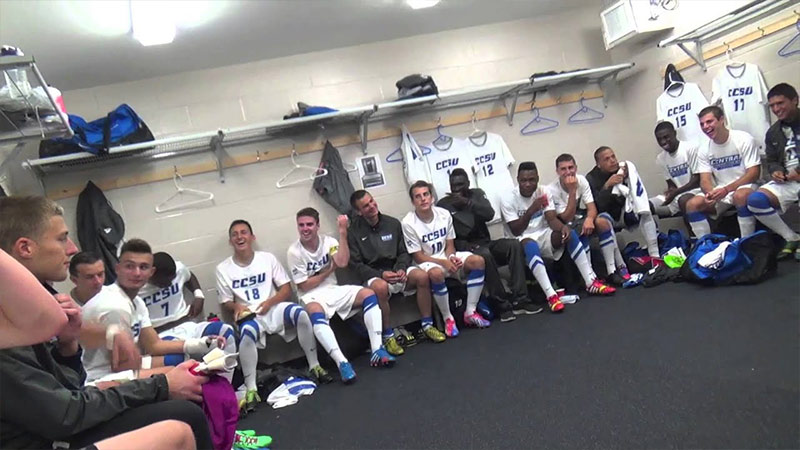
During this time, players usually exit the pitch to the dressing rooms, while groundstaff may perform quick maintenance on the grass.
Variations in Youth and Amateur Play
In youth soccer, the interval is typically shorter, often ranging from 5 to 10 minutes. Shorter breaks are utilized to keep younger players engaged and to ensure that multiple matches can be played on the same field throughout the day.
Coaches in these leagues often use the limited time for quick hydration and basic positional adjustments rather than the deep tactical analysis seen in professional locker rooms.
Halftime in Knockout Stages and Extra Time
When a match moves into knockout rounds—such as the later stages of the Champions League or the World Cup—the standard 90-minute rules are augmented by the possibility of extra time. This creates additional “mini-intervals” that differ significantly from the primary halftime break.
The Transition to Extra Time
If a match is tied at the end of regulation and the tournament format requires a winner, the teams receive a short break before the first period of extra time begins. This break is usually approximately 5 minutes long.
It allows players to hydrate and receive quick medical attention (such as massages for cramping) before entering two additional 15-minute halves of play.
The Mid-Extra Time Interval
The break between the two 15-minute periods of extra time is the shortest in the sport. It typically lasts only about 1 minute.
In many cases, the players do not even leave the pitch; they simply gather for a quick drink of water and immediately switch ends to begin the second period of extra time.
This ensures that the momentum of the game is maintained while still accounting for the rule that teams must change sides.
The Logistics of the Interval: Why the Break Matters
The halftime break is not merely a rest period; it is a functional part of the game’s infrastructure. From tactical resets to physical maintenance, the 15 minutes are used with surgical precision by professional clubs.
Switching Ends and Field Conditions
One of the primary logistical requirements of the halftime break is for teams to switch ends of the pitch. This is a traditional rule designed to ensure fairness.
By changing sides, both teams are subjected to the same environmental conditions, such as wind direction, sun glare, or slight variations in pitch slope. It prevents one team from having a geographic advantage for the entire 90 minutes.
Tactical and Physiological Recovery
For the players, the interval is a period of rapid recovery. Medical staff provide rapid-acting carbohydrates and electrolytes to replenish glycogen stores.
Simultaneously, the coaching staff utilizes video clips and whiteboards to analyze the first 45 minutes.
This “tactical reset” is often where games are won or lost, as managers identify weaknesses in the opposition’s formation and communicate adjustments to their squad before the second half commences.
The Fan and Broadcast Experience during Halftime
From a Fortune 500 perspective, the halftime interval represents one of the most valuable windows in sports media.
Because the soccer clock is continuous during play, halftime is the only guaranteed period for extensive commercial advertising and brand activations.
The Commercial Window
In professional broadcasts, the 15-minute window is tightly choreographed. It typically includes a 2-to-3-minute “wrap-up” of the first half, followed by a concentrated block of commercials, and concluding with a 5-minute preview of the second half.
For brands, this is the peak engagement period, as the audience is not yet distracted by the resumption of play.
Stadium Activations
For fans in the stadium, halftime is the primary opportunity for concessions and merchandise sales. To maximize revenue, modern stadiums are designed with “high-density” concession layouts to accommodate thousands of fans in a 15-minute window.
Additionally, many clubs use the pitch during this time for community events, such as youth exhibitions or sponsor-led competitions, ensuring that the entertainment value remains high even while the primary athletes are resting.
FAQs
Can the referee shorten halftime?
While the Laws of the Game specify a maximum of 15 minutes, the duration can be altered with the referee’s agreement and according to competition rules. However, in professional play, this is extremely rare due to broadcasting contracts.
Do players have to leave the pitch?
In professional matches, players almost always go to the dressing rooms for privacy and tactical instruction. In amateur or youth play, it is common for teams to stay on the sideline.
What happens if a player is sent off during halftime?
The referee maintains authority over the players during the entire interval. A player can be shown a yellow or red card in the tunnel or the locker room. If a player is sent off during halftime, their team will start the second half with one fewer player.
Is there a break during a penalty shootout?
If a game goes to a penalty shootout after extra time, there is usually a brief interval for the referee to organize the kickers and choose the end of the field where the kicks will be taken, but this is not a formal “rest” period like halftime.
Conclusion: Optimizing the Halftime Strategy
The soccer interval is a sophisticated blend of regulation, physiology, and strategy. Whether it is the rigid 15-minute window of the Premier League or the brief 5-minute breather in a youth tournament, the break is fundamental to the game’s rhythm.
By understanding the “anatomy” of this pause—from the influence of stoppage time to the necessity of switching ends—fans and professionals alike can better appreciate the complexities of the world’s most popular sport.
For organizations looking to deepen their engagement with soccer audiences, recognizing these timing nuances is the first step toward creating content and experiences that resonate with the global football community.
As the game continues to evolve with technology like VAR, the halftime whistle remains the one constant moment for the world to catch its breath before the drama resumes.