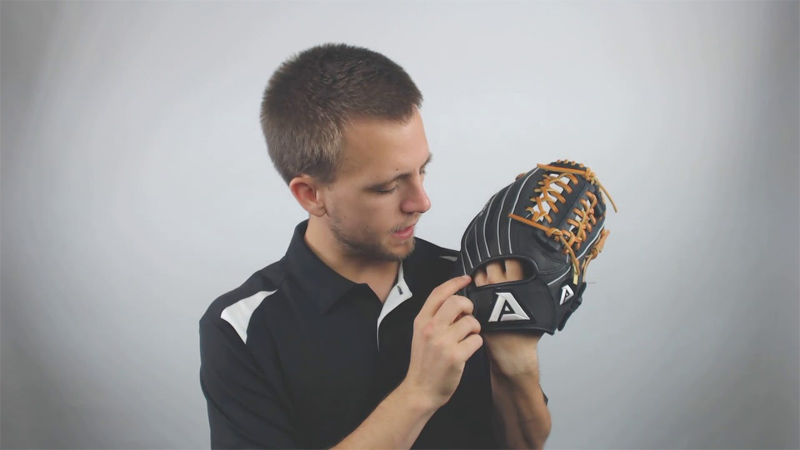
Are Akadema gloves good? Yes. For most players, Akadema gloves are a smart buy, offering quality leather, clever designs, and fair prices. They do have a few quirks, though, and those quirks matter before you spend your money.
Akadema is a smaller brand than Rawlings, Wilson, or Mizuno, so many players have never tried one. That makes the question worth a careful answer. In this Akadema glove review, we break down how these gloves perform in the areas that count most: leather, break-in, fit, durability, and value.
By the end, you will know whether an Akadema glove suits your position, your hand size, and your budget.
Who Makes Akadema Gloves?
Akadema is a family-founded baseball company based in Hawthorne, New Jersey. Brothers Joseph and Lawrence Gilligan started it, and Lawrence once played in the St. Louis Cardinals minor league system. That playing background still shapes how the brand designs its gloves.
The first gloves came out in 1998 under the name “Academy.” In 2000, the company rebranded as Akadema and launched its patented Reptilian glove, which put it on the map.
Hall of Fame shortstop Ozzie Smith signed on as a spokesman, and Hall of Fame catcher Gary Carter later helped design its catcher’s mitts.
Akadema also stands out for keeping some production in the United States. In 2010 it opened its own glove shop, joining a small group of companies that still make gloves and bats domestically.
Over the years, big leaguers such as Gold Glove outfielder Shane Victorino have worn Akadema gloves in games.
What Makes Akadema Gloves Different?
Innovation is the main reason players seek out Akadema. Instead of copying traditional patterns, the brand builds position-specific designs that rethink how a glove closes and protects the hand.
The Reptilian
This patented design changes the usual finger stall layout so the glove closes more naturally around the ball.
The Reptilian Claw outfield version uses three wider finger stalls and a double flex hinge for an easier fold in the pocket. Some players find it odd at first, but many end up preferring it to a standard glove.
The Praying Mantis catcher’s mitt
Built with input from Gary Carter, this mitt adds a Stress Wedge between the index finger and thumb. The wedge absorbs shock and cuts down on sting from hard pitches. Extra finger hammocks also lock the fingers in place for better control.
The Funnel
Many pro infielders bend the thumb and pinky of their gloves outward so the glove stays open. The Funnel is built that way from the start, giving middle infielders a wide target and quick transfers.
The ABX ambidextrous glove
This 12-inch webless glove works on either hand, which makes it a rare option for switch throwers. Akadema produces it in very limited numbers each year.
These designs show a company that listens to players. Its advisory staff of former pros feeds performance ideas straight into new models.
Akadema Glove Series Explained
Akadema sells several glove lines, and picking the right one matters as much as picking the brand. Each series uses different leather and suits a different type of player.
ProSoft Series
The ProSoft Series is Akadema’s comfort line. It feels soft and nearly game-ready out of the box, so it suits recreational players and anyone who dislikes a long break-in. Players who need a glove to survive several seasons of daily use may want a sturdier leather.
Torino Series
The Torino Series uses kip leather that is about 20% lighter than traditional U.S. steerhide. It breaks in quickly yet holds its shape well. That balance makes it a favorite for infielders who want quick hands and a light feel.
Precision Kip Series
The Precision Kip Series moves closer to a pro-level glove. Its tight-grained kip leather is built for durability, but it still breaks in faster than many kip gloves. It is a strong choice for high school and college players who use their glove every day.
Prodigy and Rookie Youth Series
For kids, the Prodigy Series is the standout. Akadema narrows the finger stalls for a snug youth fit and makes the leather close to game-ready. The Rookie Series offers a lower-priced starting point for beginners.
Leather Quality and Break-In Time
Leather quality is one of Akadema’s biggest strengths. Reviewers often say the leather feels better than other gloves at the same price, and the stitching and lacing are well finished.
Break-in time depends on the series. ProSoft and Prodigy gloves feel close to game-ready, and some players use them in games within a few days.
Torino gloves soften quickly thanks to their lighter kip leather, while Precision Kip gloves and the stiffer catcher’s mitts can take three to four weeks of steady catch.
For the best results, play catch often and go easy on glove conditioner. Too much oil can soften the leather unevenly and shorten the glove’s life. A wooden mallet, or a ball tucked into the pocket overnight, helps shape the pocket faster.
Do Akadema Gloves Run Small?
Fit is the most common complaint about Akadema gloves. Many buyers say the hand opening feels tight and that some models play smaller than their listed size. One reviewer felt an 11.5-inch model fit more like an 11-inch glove.
Not every model runs small, and some retailers describe Akadema sizing as true to size. Still, the pattern shows up often enough to plan for it.
Players with large hands should try a glove on first, consider sizing up, or loosen the wrist strap.
There is an upside to the snug fit. It gives excellent control, and players who like a glove that feels like part of the hand often love Akadema for exactly this reason.
How Durable Are Akadema Gloves?
Most Akadema gloves hold up well when they are cared for properly. Many players report using the same glove for several seasons, and one reviewer called a Precision model nearly indestructible after a full season of play.
Results are not perfect across the whole lineup. A few owners of youth and softer-leather models say the padding or leather broke down sooner than expected.
As a general rule, the softer a glove feels out of the box, the sooner it may show wear under heavy use.
Akadema backs its gloves with a nine-month manufacturer’s warranty from the date of purchase. That covers most of a typical season, so keep your receipt in case a defect appears.
Are Akadema Gloves Worth the Price?
Value is where Akadema truly shines. Most adult ProSoft and Torino gloves sell for roughly $100 to $150, while Praying Mantis catcher’s mitts range from about $170 to $330. Youth gloves cost less.
Compare that with flagship gloves from the biggest brands, which can cost more than $400. Akadema’s top lines offer solid leather and more original designs for a fraction of that price.
Many buyers say their Akadema glove looks and feels like a much pricier model. For parents buying a youth glove, or players who want serious quality on a budget, that value is hard to beat.
Akadema Gloves: Pros and Cons
Here is a quick summary of where Akadema gloves win and where they fall short.
Pros
- Strong leather quality for the price
- Unique, player-designed patterns like the Reptilian and Praying Mantis
- Fast break-in on ProSoft, Torino, and Prodigy models
- Lightweight kip leather options
- Some gloves made in the USA
- Excellent choices for youth players
Cons
- Many models run small, with a tight hand opening
- Fewer models stocked in local stores than the big brands
- Unusual finger designs take time to get used to
- Softer leathers may wear faster under heavy use
- Warranty lasts nine months, not a full year
Who Should Buy an Akadema Glove?
Akadema gloves are a great fit for several types of players:
- Catchers who want extra hand protection from the Praying Mantis mitt
- Youth players who need a quality glove that breaks in quickly
- Value seekers who want premium feel without a premium price tag
- Players with small to medium hands who like a snug, controlled fit
- Switch throwers looking for a rare ambidextrous option
On the other hand, Akadema may not suit players with very large hands or anyone who strongly prefers a traditional glove pattern. Players who want the exact model their favorite big-league star wears may also lean toward the larger brands.
Final Verdict: Are Akadema Gloves Good?
Yes, Akadema gloves are good, and for many players they are one of the smartest buys in baseball. The brand combines solid leather, genuine innovation, and fair prices in a way few competitors match.
The key is choosing the right series and size. Pick ProSoft or Prodigy for a fast break-in, Torino for a lightweight feel, Precision Kip for everyday durability, or the Praying Mantis if you play behind the plate. If your hands run large, try the glove on or size up.
Get those choices right, and an Akadema glove can serve you well for seasons to come. It proves you do not need the biggest name on the market to get a glove you can trust.