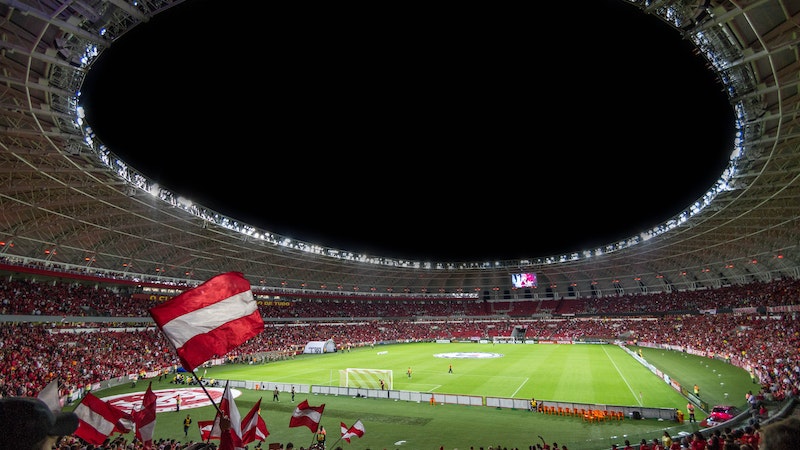
Soccer is a game defined by passion, precision, and occasionally, complex timing that can confuse even seasoned spectators.
While many fans enter a stadium expecting a straightforward ninety-minute affair, the reality of the final whistle is governed by a nuanced set of rules established by the International Football Association Board (IFAB).
Understanding when a match truly concludes requires looking beyond the scoreboard to the authority of the match officials. Whether it is the tactical anticipation of stoppage time or the high-stakes pressure of a penalty shootout, match duration is dynamic.
This guide provides a professional breakdown of regulation time, extra time, and safety-based terminations.
The Foundation of Regulation Match Time
Every professional soccer match is built upon a standardized temporal foundation designed to ensure fairness and consistency across global competitions.
This structure allows for a predictable rhythm that players, coaches, and broadcasters rely on to manage the flow of the game.
The Standard 90-Minute Structure
The hallmark of a standard soccer match is the 90-minute duration. This is not played as a single block but is divided into two equal halves of 45 minutes each. Between these two periods of intense play, teams are granted a 15-minute halftime interval.
This break is essential for physiological recovery, tactical adjustments by coaching staff, and the logistical needs of the host venue.
While the clock on the broadcast may hit 45:00 or 90:00, the game does not automatically end until the referee’s whistle confirms the conclusion of the half.
The Role of the Continuous Clock
Unlike many North American sports, such as basketball or American football, the soccer clock is continuous. It does not stop when the ball goes out of play for a throw-in, goal kick, or corner.
This “running clock” philosophy is central to the game’s fluid nature. However, it necessitates a mechanism to ensure that the actual “ball-in-play” time remains fair, leading to the critical concept of added time at the end of each regulation period.
The Nuance of Stoppage and Injury Time
One of the most distinctive aspects of soccer is the “stoppage time” added to the end of each half. This ensures that time lost to various interruptions does not unfairly penalize the attacking team or reward time-wasting tactics.
Why the Clock Keeps Running
The referee is the sole timekeeper on the field, and they are responsible for tracking every moment the game is delayed.
Stoppage time, also frequently referred to as injury time, consists of added minutes at the end of each half to compensate for these specific interruptions.
This ensures that the integrity of the 45-minute playing period is maintained despite unavoidable pauses in the action.
Factors Determining Added Minutes
The fourth official typically signals the minimum amount of stoppage time using an electronic board, but the center referee has the ultimate discretion to add even more time if further delays occur within the stoppage period itself.
| Cause of Delay | Impact on Stoppage Time |
|---|---|
| Player Injuries | Significant time is added for on-field assessment and stretcher use. |
| Substitutions | Standardized time is usually added for each player change. |
| Goal Celebrations | The seconds lost between a goal and the kickoff are recuperated. |
| VAR Reviews | Modern matches often see extended time for Video Assistant Referee checks. |
| Time-Wasting | Intentional delays by players (e.g., slow goal kicks) are penalized with extra minutes. |
The referee decides the exact amount of time to be played, and the game ends only when they blow the final whistle after this period has elapsed.
Beyond Regulation: Extra Time and Shootouts
In league play, a match often ends in a draw after 90 minutes plus stoppage time. However, in knockout-style tournaments—such as the FIFA World Cup or the UEFA Champions League—a winner must be determined.
When 90 Minutes Is Not Enough
If a knockout match remains tied at the end of regulation and stoppage time, the game enters a secondary phase known as “Extra Time.” This consists of two additional halves of 15 minutes each, totaling 30 minutes of extra playing time.
It is important to note that the “Golden Goal” rule (where the first team to score wins immediately) no longer applies in modern professional soccer; the entire 30-minute period must be played to completion regardless of any goals scored.
The Mechanics of the Penalty Shootout
If the score remains deadlocked even after the 30 minutes of extra time, the match moves to a penalty shootout. This is a distinct procedure from the match itself, used solely to determine which team advances.
- Initial Five Rounds: Teams take turns firing alternating penalty kicks from the spot.
- Winner Determination: The team that scores more goals after five rounds is declared the winner.
- Sudden Death: If the teams are still tied after five kicks each, the shootout enters a “sudden death” phase. Play continues one round at a time until one team scores and the other misses.
Exceptional Circumstances for Early Conclusion
While rare, there are specific legal, safety, and regulatory protocols that permit or require a referee to end a match before the regulation time has been reached. These situations are often complex and governed by both IFAB laws and specific league competition rules.
Environmental and Safety Protocols
The safety of players and spectators is the paramount concern for match officials. A referee has the authority to end or abandon a match early due to severe weather conditions, such as lightning, heavy snow that obscures pitch markings, or extreme flooding.
Additionally, if fan violence or pitch invasions compromise the security of the participants, the referee can terminate play immediately.
In these instances, the governing body of the league later decides if the match should be replayed or if the current score stands.
Technical Forfeits and Player Minimums
A match cannot continue if the number of players on a team falls below a certain threshold. According to the Laws of the Game, a match is abandoned if a team has fewer than seven players on the field.
This can happen through a combination of red cards and injuries after all substitutions have been exhausted. If a team is reduced to six players, the game ends immediately, usually resulting in a technical forfeit victory for the opposing side.
Strategic Impact of Match Duration
The uncertainty of exactly when the whistle will blow creates a unique tactical environment. Coaches often save their final substitutions for stoppage time, either to refresh the defense or to strategically consume seconds.
The Psychology of the Final Minutes
The final minutes of a match—often called “Fergie Time” in English football lore—are frequently the most intense.
Knowing that the referee can blow the whistle at any moment after the signaled stoppage time has passed forces trailing teams into high-risk, high-reward attacking formations.
Conversely, the leading team must maintain extreme mental focus, as the physical fatigue of 90+ minutes of play increases the likelihood of defensive errors.
Media and Broadcasting Logistics
From a professional standpoint, the variable nature of a soccer game’s end poses a challenge for broadcasters. Unlike scripted television, a match that goes into extra time and penalties can extend the broadcast by over an hour.
This unpredictability is part of the global appeal of the sport, ensuring that the conclusion of a match is always a “must-watch” event where every second counts.
Frequently Asked Questions
Can a referee blow the whistle while the ball is in the air?
Technically, yes. The referee can end the half or the match at any time once the required time has been played. However, most officials will wait for a neutral moment, such as the ball leaving the field of play or a change in possession, to avoid controversy.
How is stoppage time calculated?
The referee uses a secondary watch to track pauses for injuries, substitutions, and other delays. They then communicate this total to the fourth official, who displays the minimum added time on the board.
What happens if a game is abandoned?
If a match is abandoned due to weather or crowd trouble, the league’s organizing committee will determine the outcome. They may choose to resume the match from the minute it was stopped, replay it entirely, or let the score at the time of abandonment stand as the final result.
Conclusion: Mastering the Clock
The end of a soccer game is not merely a matter of hitting a specific number on a clock; it is a controlled conclusion managed by the match officials to ensure equity.
From the standard 90 minutes of regulation to the high-pressure environment of sudden-death penalties, the rules are designed to produce a fair winner.
For fans and professionals alike, understanding these mechanics—including the reasons for stoppage time and the protocols for early termination—deepens the appreciation for the “beautiful game.”
The final whistle is more than just a signal; it is the culmination of a carefully timed athletic narrative.