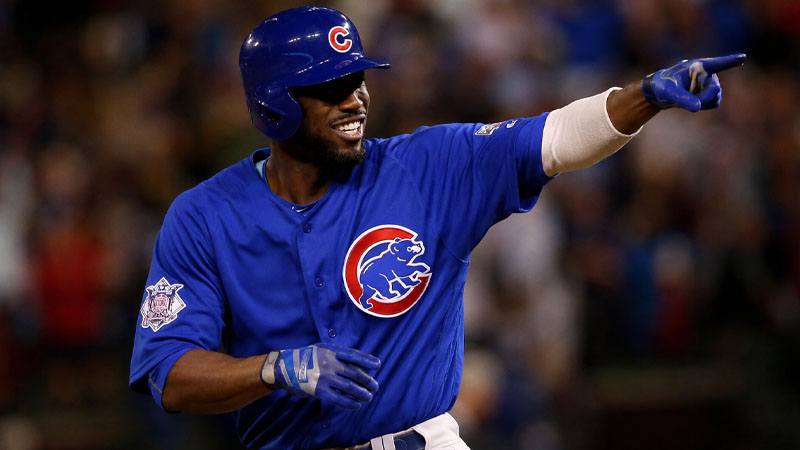
Baseball has always been a game of tension, anticipation, and release. For over a century, the sport operated under a strict, quiet code: hit the ball, run the bases, and keep your head down.
But in the modern landscape of sports entertainment, a dramatic shift has taken place. Today, the moment a baseball clears the outfield wall is no longer just a statistic—it is a stage.
At the center of this cultural evolution is a practice known in baseball circles as “pimping a home run”.
To some, it is the ultimate expression of athletic joy and modern entertainment. To others, it represents a breach of etiquette that threatens the very integrity of the game.
This comprehensive analysis explores what it means to show off after a home run, the specific techniques players use to celebrate, and why this simple act remains one of the most polarizing topics in sports.
What Does It Mean to “Pimp” a Home Run?
In the simplest terms, “pimping a home run” occurs when a batter deliberately shows off or celebrates on the field after hitting a home run.
Rather than immediately dropping the bat and running the bases in a routine, business-like fashion, the batter pauses to savor the moment, engage the crowd, and draw attention to their achievement.
This behavior is an intentional departure from traditional baseball decorum. It transforms a standard athletic play into a highly theatrical performance.
Instead of treating the home run as a routine part of their job, the batter uses their body language, physical gestures, and timing to emphasize the dominance of the hit.
Whether through a dramatic pause, an athletic gesture, or an intentional delay, pimping a home run is about making sure everyone in the stadium—especially the opposing team—knows exactly what just happened.
The Four Most Common Ways Players Celebrate on the Field
While every player brings their own unique style and flair to the diamond, home run celebrations generally fall into four primary physical categories. Each method carries its own level of theatricality and psychological impact on the opposing team:
1. The Bat Flip
Perhaps the most famous and widely discussed celebration in modern baseball is the bat flip. Instead of dropping the bat normally onto the dirt as they begin their run, the batter throws, tosses, or spins the bat high into the air in a dramatic fashion.
The bat flip is a fluid, expressive motion. It can range from a subtle, backhanded flick to a massive, high-arching toss that climbs several feet above the batter’s head.
The physical act of letting go of the bat with such force serves as an exclamation point to the swing itself, signaling complete confidence that the ball has cleared the fence and there is no need to hold onto the lumber any longer.
2. The Stare and Admire
The stare and admire is a celebration defined by stillness rather than motion. Immediately after making contact with the ball, the batter stands completely still at home plate with the bat still in hand.
Rather than starting their run down the baseline, they remain frozen, keeping their eyes locked on the ball as it flies through the air and sails over the outfield fence. This pose is highly visible to everyone in the ballpark.
By refusing to move until the ball has officially left the playing field, the batter communicates absolute certainty in the power of their hit, forcing the pitcher and the fielders to watch the ball’s flight alongside them.
3. The Slow Trot
Once the batter actually decides to leave home plate, the pace at which they circle the bases becomes another tool for celebration. This is known as the slow trot.
Instead of running or jogging around the diamond at a standard, respectful speed, the batter moves at an exceptionally slow pace to actively enjoy the moment.
This prolonged journey around the bases extends the duration of the celebration, allowing the home crowd more time to cheer, while simultaneously keeping the opposing defense and pitcher on the field to watch the slow-motion victory lap.
It turns what is normally a brief 15-second jog into a drawn-out, theatrical procession.
4. The Staredown
The most confrontational of all celebrations is the staredown. As the batter starts their run or stands at home plate, they look directly at the pitcher or lock their eyes onto the opposing team’s dugout.
This is a direct, eye-to-eye challenge. Unlike a bat flip or a slow trot, which can be framed as self-focused expressions of joy, the staredown is explicitly external.
It establishes a direct emotional link between the batter’s success and the pitcher’s failure, ensuring that the opposing team feels the full weight of the moment.
The Great Baseball Debate: Entertainment vs. Etiquette
The rise of home run celebrations has created a deep ideological divide within the sport, pitting progressive fans and modern athletes against traditionalists and pitchers. This clash highlights the tension between baseball’s historic “unwritten rules” and the demands of modern sports culture.
The Case for High Energy and Fun
Proponents of pimping home runs—including many modern players, younger fans, and sports analysts—view these celebrations as a necessary and positive evolution for the sport. Their arguments center on three main points:
- Emotional Expression: Baseball is an incredibly difficult game where even the best batters fail the majority of the time. When a player successfully hits a home run, supporters argue they should be allowed to express their genuine excitement and relief.
- Entertainment Value: Modern sports are part of the entertainment industry. High-energy actions like bat flips and slow trots bring fun, personality, and cinematic drama to the game, helping to attract and retain younger fans who appreciate expressiveness.
- Athlete Brand Building: Celebrations allow players to showcase their individual personalities, creating memorable moments that translate perfectly to digital media and fan engagement.
For this group, letting players show emotion makes the sport feel alive, relatable, and culturally relevant.
The Case for Tradition and Respect
On the other side of the diamond stand the traditionalists, opposing managers, and, most notably, the pitchers who surrendered the home run. From their perspective, pimping a home run is a serious violation of sportsmanship. Their concerns focus on:
- Disrespecting the Opponent: Traditional etiquette dictates that players should act with humility. Standing to admire a hit, staring down a pitcher, or taking an excessively slow trot is seen as an attempt to embarrass the opposing team rather than simply celebrating one’s own success.
- Maintaining Sportsmanship: Traditionalists believe that respect for the game and the opponent should always take precedence over personal branding or individual entertainment. Showing off is viewed as a form of bad sportsmanship that degrades the professional standard of the sport.
- The Threat of Retaliation: Because these actions are viewed as disrespectful, they often carry real consequences on the field. Pitchers who feel insulted by a batter’s celebration may choose to retaliate during future at-bats. This retaliation can manifest as throwing a pitch close to or directly at the batter, throwing inside to reclaim the plate, or initiating a benches-clearing argument.
Frequently Asked Questions
What is the origin of the term “pimping” in baseball?
In baseball terminology, the word “pimping” has been adapted as slang to describe the act of dressing up, exaggerating, or heavily styling an action.
When applied to a home run, it refers to the deliberate addition of style, flair, and theatricality to what would otherwise be a routine run around the bases.
Is there an official rule against pimping a home run?
No, there is no official rule in the Major League Baseball rulebook that outlaws bat flips, staring at a home run, or running slowly.
These behaviors are governed entirely by “unwritten rules”—a set of informal cultural norms maintained by players and coaches over generations.
Why do pitchers take offense to these celebrations?
Pitching is a highly competitive, isolated task. When a pitcher gives up a home run, it is a moment of clear professional defeat.
When a batter stands to admire the hit or stares into the dugout, the pitcher often perceives it as a personal insult designed to highlight their failure, rather than a simple celebration of the batter’s success.
How do teams retaliate against batters who show off?
Historically, the most common form of retaliation has been a “purpose pitch” or “brushback pitch” during the batter’s next at-bat.
The pitcher may throw the ball inside or directly at the batter to send a physical message about respect. In more extreme cases, this tension can escalate into vocal arguments or physical altercations on the field.
Conclusion: Finding the Balance
The debate over pimping home runs is ultimately a debate about the identity of baseball itself. As the sport continues to navigate the balance between its rich history and the demands of modern media, the line between healthy self-expression and disrespectful showmanship will keep shifting.
Whether you view a high-flying bat flip as a thrilling display of modern athleticism or a disappointing lapse in sportsmanship, one thing is certain: these celebrations have permanently changed how we watch the game.
They ensure that every time a ball leaves the bat, the action at home plate is just as compelling as the flight of the ball itself.