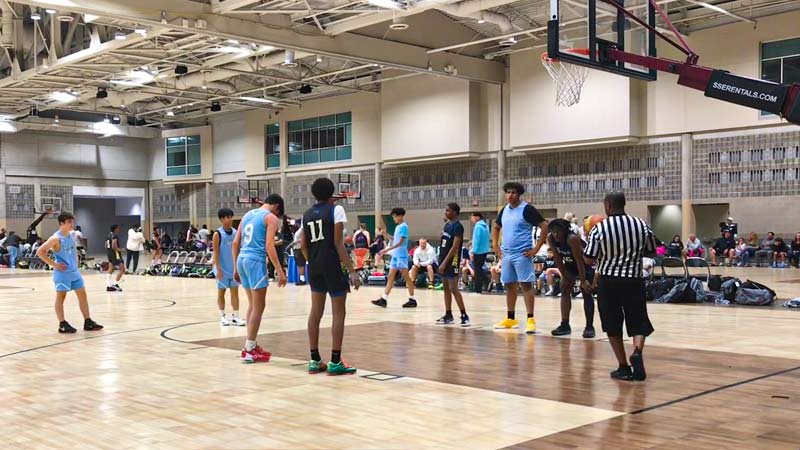
The landscape of youth sports in America has undergone a seismic shift over the last four decades. What once revolved around local parks and school-based programs has evolved into a multi-billion-dollar industry dominated by a single acronym: AAU.
For many parents, the term is synonymous with “elite basketball,” but for others, it represents a complex and often controversial “subculture”.
Whether you are a parent seeking a scholarship path for your child or a coach looking to build a high-performance program, understanding the nuances of the Amateur Athletic Union (AAU) is critical.
This guide provides a Fortune 500-standard deep dive into the history, the controversies, and the strategic advantages of club basketball, ensuring you have the data-driven insights necessary to make the best decision for your athlete’s development.
Defining the Ecosystem: What is AAU Basketball Really?
To navigate this world, one must first understand that “AAU basketball” is frequently used as a catch-all term for almost any competitive travel or club basketball team operating outside the traditional school system.
Much like “Kleenex” is used to describe tissues, AAU has become the primary label for independent teams that travel to compete in high-stakes tournaments.
The Official Definition vs. The Modern Reality
Officially, the Amateur Athletic Union (AAU) is a youth sports organization founded in 1888 with the original intent of advancing Olympic-level development and physical fitness.
However, since the 1970s, the focus has shifted toward a massive network of local and national sporting events.
Today, the ecosystem includes:
- Independent Club Teams: Groups of players who form teams to compete in local or regional tournaments.
- The “Circuit” Teams: Elite programs sponsored by major shoe companies (Nike, Adidas, Under Armour) that focus on the highest level of high school talent and college recruiting.
- Year-Round Travel Teams: Programs that range from recreational “fun-first” groups to elite-level national squads that operate throughout the entire year.
Strategic Timing: When and How to Enter the Circuit?
One of the most frequent questions parents ask is: “When can my child start?” While the logistical answer is as early as kindergarten, the strategic answer—“When should they start?”—is far more complex.
The “Why, How, What” Spectrum of Readiness
To determine if an athlete is ready for the rigors of travel basketball, we utilize a three-part evaluation spectrum:
- The “Why” (Motivation): The most successful athletes are those who play because they love the game. In the early stages (ages 5-9), the primary goal of any basketball program should be establishing a love for the sport through fun. If the “work” of basketball is introduced too early, burnout is nearly inevitable.
- The “How” (Ability): This involves assessing a player’s skill level and athletic ability. Before joining a competitive travel team, an athlete should have a grasp of basic fundamentals. Without a solid foundation, advanced concepts can become overwhelming and counterproductive.
- The “What” (Competition Level): In the beginning, there should be minimal competition until fundamentals are understood. As skills mature, competition becomes a tool to put those skills into action and build confidence.
Age-Specific Guidelines
- Boys: Programs typically begin at the 7U (7 and under) age group and continue through 12th grade.
- Girls: Organized club play often starts in the 2nd grade and extends through the end of high school.
A Brief History: From Olympic Roots to “Shoe Wars”
Understanding the current state of AAU requires a look at its historical evolution, particularly the “Gold Rush” of the 1980s.
Originally, the AAU focused on pure amateurism and Olympic development. This changed when industry titans like Sonny Vaccaro and Phil Knight recognized the marketing potential of youth athletes.
By signing AAU and college coaches to lucrative shoe contracts, companies like Nike and Adidas ensured that the best players in the country were wearing their brands before they ever reached the professional level.
The Strategic Shift: This led to a landscape where elite high school talent became “marketing assets”. The focus for many top-tier clubs shifted from player development to maintaining brand image, national rankings, and shoe sponsorships.
While this created incredible exposure for some, it also introduced a level of “scandalous tendencies” and corruption that persists in the high-stakes recruiting world today.
The Great Debate: Expert Perspectives on Player Development
Despite its popularity, AAU basketball faces intense criticism from some of the most respected figures in the sport.
Kobe Bryant’s Critique
The late NBA legend was a vocal critic, calling the AAU system “horrible” and “stupid” for player development.
His primary complaint was that it failed to teach the fundamentals of the game, resulting in players who were physically gifted but lacked “basketball IQ,” such as knowing how to post up or move without the ball.
Steve Kerr’s Assessment
The Golden State Warriors coach has described AAU as a “genuinely weird subculture” where winning is devalued because teams play too many games (sometimes four in a day) with almost no practice. He argues that the process of “growing as a team basketball player” is lost in this environment.
Gregg Popovich’s View
The legendary Spurs coach has noted that since AAU became the de facto leader in preparing kids, the quality of fundamental preparation has been “all downhill”.
The Gap in the Market: The core of the criticism lies in the game-to-practice ratio. In many AAU programs, the emphasis is on playing as many games as possible to gain exposure, while the European model—often cited as superior for skill development—prioritizes rigorous daily training over constant competition.
The Strategic Advantages (The Pros)
- Elite Level Competition: To reach peak potential, athletes must be tested. AAU provides access to competition that local or school leagues simply cannot match. This forces players to raise their game and exposes weaknesses that need work.
- College Exposure: This is the primary driver for high school players. AAU tournaments during NCAA-sanctioned viewing periods allow “relatively unknown players” to be discovered by hundreds of coaches simultaneously.
- Life Skills and Mental Toughness: AAU is not a “participation trophy” environment. Players must earn their playing time and learn to navigate adversity—such as sitting on the bench or losing high-stakes games—which builds resilience and character.
- Teamwork and Bonding: Despite the intensity, the travel aspect of AAU builds lasting memories and teaches players how to be good teammates in high-pressure environments.
The Systemic Risks (The Cons)
- Neglect of Development: Many coaches prioritize winning games through full-court presses and zone defenses rather than teaching fundamental offensive and defensive principles.
- Poor Coaching Standards: Unlike school sports, anyone can start an AAU team. There are often no required certifications, leading to a landscape of coaches who may prioritize their own ego or “screaming obscenities” over actual instruction.
- High Volume, Low Quality: Playing 3-4 games in a single day leads to physical exhaustion and sloppy play, which reinforces bad habits rather than correcting them.
- Star-Driven Environments: Some programs cater specifically to “star” players, which can harm the development of team-based skills and alienate other roster members.
How to Choose the Right Program?
Choosing the wrong program is a waste of time and financial resources. To find a program that balances development with competition, use the following evaluation metrics:
- [ ] Practice-to-Game Ratio: Does the team schedule at least two practices per week? Avoid programs that only meet on tournament weekends.
- [ ] Coach’s Background and Philosophy: What is their track record for development? Do they have a commitment to teaching “the right way,” or is their focus solely on winning and rankings?.
- [ ] Safety and Certifications: Does the program require background checks for all staff?.
- [ ] Financial Transparency: Are the costs for travel, tournaments, and uniforms clearly outlined upfront?
- [ ] Cultural Fit: Will your child actually enjoy the parents and players on this team? If the environment is toxic, the development will suffer regardless of the competition level.
- [ ] The Child’s Goals: Is the athlete seeking a college scholarship, or do they just want to have fun with friends? Align the program intensity with the player’s actual desires.
Expert Advice for Parents and Coaches
Success in the AAU circuit is often determined by the behavior of the adults involved.
For Parents:
- Avoid “Sideline Coaching”: This confuses the player and undermines the team’s leadership.
- Focus on Growth, Not Stats: Cheer for effort and basketball IQ rather than just points scored.
- Communication: Have early conversations with coaches regarding schedules, expectations, and playing time.
For Coaches:
- Establish a Code of Conduct: Set clear expectations for parents and players before the season begins.
- Prioritize Fundamentals: Even in a “win-now” environment, dedicate significant time to skill work.
- Build Character: Use the game to teach life skills—responsibility, accountability, and teamwork.
Enhanced FAQ: Navigating the Complexities
Q: Is AAU better than school basketball?
A: Not necessarily. School ball often offers more consistent practice time and “team-first” coaching, while AAU offers higher-level competition and recruiting exposure. The two should ideally complement each other.
Q: How much does it cost?
A: Costs vary wildly. Local club teams may be relatively affordable, while national “shoe circuit” teams involve significant travel expenses, though elite players often have their costs covered by sponsorships.
Q: Can my child get a scholarship through AAU?
A: Yes. AAU is currently the primary platform for college coaches to evaluate talent during NCAA-sanctioned viewing periods. However, only a small percentage of players will receive Division I offers.
Conclusion: The Final Verdict
AAU basketball is a powerful tool, but like any tool, its effectiveness depends on how it is used. While the system has undeniable flaws—including a lack of standardized coaching and an overemphasis on games—it remains the most significant path for world-class talent development in the United States.
The key to a successful experience is selectivity. By choosing a program like Pro Skills Basketball or other elite organizations that prioritize a healthy practice-to-game ratio and fundamental development, you can ensure that your child gains the competitive benefits of AAU without sacrificing their long-term growth as a player and person.