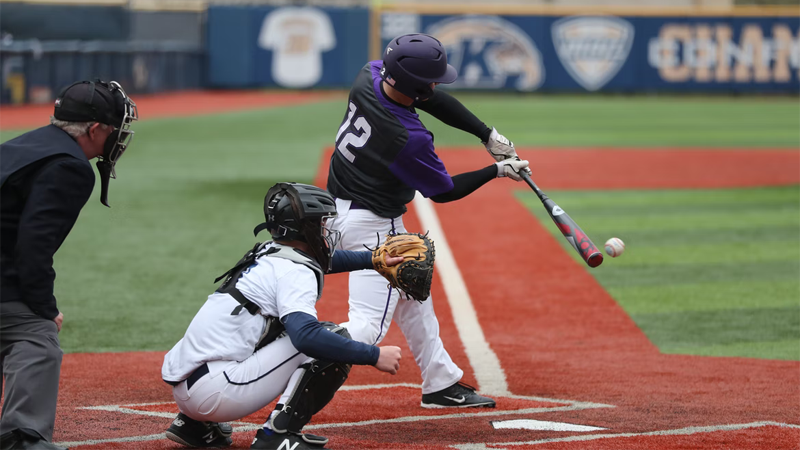
In the realm of player development, few terms spark as much debate among coaching circles as the “scrimmage.”
To some, it represents a relic of “lazy coaching,” where players stand idle while a coach pitches. To others, it is the ultimate laboratory for building game-day grit and situational IQ.
But what exactly is a baseball scrimmage in the modern era? Far from a simple “pickup game,” a high-level scrimmage is a structured, non-threatening simulation designed to bridge the gap between isolated drill work and high-stakes league play.
It is a controlled environment where the score doesn’t count in the standings, allowing coaches to interrupt, alter, and “amp up” the pressure to foster elite-level development.
The Core Definition: Beyond “Just Playing”
At its most basic level, a baseball scrimmage is a practice game used to replicate game conditions. However, for world-class coaches, a scrimmage is a tactical tool.
Unlike a standard game, a scrimmage allows for immediate feedback loops. It is an environment where players can apply new concepts—like a specific pickoff move or a hitting approach—without the fear of losing a game.
The “Lazy Coaching” vs. “Smart Coaching” Conflict
The traditional view of scrimmages has shifted significantly. Critics often mock the “old way” where one kid hits, one pitches, and the other 10 players stand around being bored. This “lazy” approach is what gives scrimmages a bad reputation.
Conversely, a smartly planned scrimmage is the hallmark of a better coach. It maximizes repetitions, ensures every player is moving on every play, and targets specific weaknesses identified during earlier skill development segments.
The “Quad Game” Framework: Redefining Engagement
One of the most effective ways to answer “what is a scrimmage” is to look at the Quad Game model, a system popularized by coaching experts like Justin Stone. This framework solves the problem of “standing around” by dividing the team into four distinct, active groups.
How the Quad Game Operates:
- Group 1: Batting. This group faces live pitching to get game-like hitting reps.
- Group 2: Infield. This group handles defensive responsibilities, focusing on feeds and positioning.
- Group 3: Outfield. These players work on tracking fly balls and executing relays.
- Group 4: Tee Work/Cage. While waiting their turn to enter the “game,” these players refine their swing mechanics off to the side or behind the cage.
The Power of Timed Play
Unlike standard innings, a smart scrimmage is often timed. This ensures that each group rotates frequently, maintaining high energy and ensuring equal development time for every player.
A common tweak is the “One-Out Rule”—telling the defense there is always one out. This creates constant opportunities for double plays and teaches baserunners whether to “tag up” or “half-way” on fly balls.
The “Amped Scrimmage”: Building Grit and Composure
A modern baseball scrimmage serves as a pressure cooker for the mind. Coaches use “Amped Scrimmages” to intentionally ratchet up the challenge, simulating the stress of real-game situations to help kids develop “grit”.
Pitching Under Disadvantage
To train pitchers who struggle with composure, a coach might start every batter with a 2-1 or 2-0 count. This forces the pitcher to overcome a disadvantage, fostering an attitude of perseverance.
If the pitcher fails, it becomes a moment for encouragement—reinforcing that they are training to overcome tough odds.
High-Leverage Situations
A scrimmage can be “reset” at any time. A coach might start an inning with the bases loaded or runners on second and third. This places the defense and pitcher in an immediate “red zone” scenario.
If a player “boots” a ball, the coach uses it as a teachable moment to prevent “meltdown mode” and teach the athlete how to be a supportive teammate under fire.
Immediate Skill Application (ISA)
The most effective scrimmages are those that serve as a validation phase for the day’s practice. If the first hour of practice was spent on bunting or pickoffs, the scrimmage phase must enforce those skills.
- Rule Enforcement: For example, a coach might grant a baserunner a free base if the pitcher fails to attempt a pickoff within three pitches.
- Tactical Incentives: By mandating that players hit to the right field or execute a delayed steal during the scrimmage, coaches ensure that the “lesson of the day” is immediately applied to a game-like situation.
The “Every Player Moves” Mandate
A high-standard scrimmage requires that every player moves on every play. This eliminates the passive standing that plagues amateur practices.
- The Quick Repeat: If a backup is missed or a relay is executed poorly, the coach should not wait for the next inning to correct it. Instead, they perform a quick repeat of just that specific segment and then continue the scrimmage.
- Baserunning IQ: Scrimmages are the primary vehicle for improving “Baserunning IQ”. Live reps allow runners to read the ball off the bat and understand secondary leads in a way that stationary drills cannot replicate.
Psychological Conditioning: The “Blown Call” Tactic
One of the more advanced aspects of a scrimmage is its use as a tool for emotional regulation. Some coaches intentionally make “blown calls”—calling a strike on a ball that bounced or calling a player safe when they were clearly out.
This isn’t about being unfair; it’s about teaching players to “roll with the punches”. Since bad calls are an inevitable part of baseball, the scrimmage provides a safe space for players to practice maintaining focus after an injustice occurs.
Scrimmaging Across All Ages: From Tee-Ball to Elite
Is a scrimmage appropriate for 4-year-olds? The answer is a resounding yes. Even at the tee-ball level, a controlled scrimmage helps young athletes understand the flow of the game and the importance of active participation.
While the complexity of the “Quad Game” might be scaled down, the fundamental goal remains: provide game-like repetitions in a fun, educational environment.
Enhanced FAQ: Mastering the Scrimmage
Q: How long should a scrimmage last?
A: In a typical 90-minute practice, many elite coaches reserve the last 30 minutes for a Quad Game or amped scrimmage. This allows for focused skill development followed by immediate application.
Q: What if I don’t have enough players for four groups?
A: You can easily adapt the model into a “Triple Game” with three groups of four players. The principles of timed rotation and active engagement remain the same.
Q: Does a scrimmage replace situational drills?
A: No. A scrimmage is where situational drills are tested. You might use a drill to teach the mechanics of a double play feed, but you use the scrimmage to see if the player can execute that feed when a live runner is bearing down on them.
Q: Why not just play more real games?
A: Real games are for performance; scrimmages are for experimentation. In a real game, a coach rarely starts a pitcher with a 2-0 count on purpose. In a scrimmage, you can “manufacture adversity” to build the specific mental muscles your team needs.
Conclusion: The Bottom Line for Coaches
A baseball scrimmage is not a “day off” for the coaching staff. By moving away from the “lazy” standard scrimmage and toward an “Amped Practice” model, you provide your players with the best of both worlds: the fun and excitement of a game, paired with high-intensity learning.
Whether you are teaching a 12-year-old to handle a blown call or helping a 6-year-old understand where to throw the ball, the smartly planned scrimmage is your most powerful developmental tool.