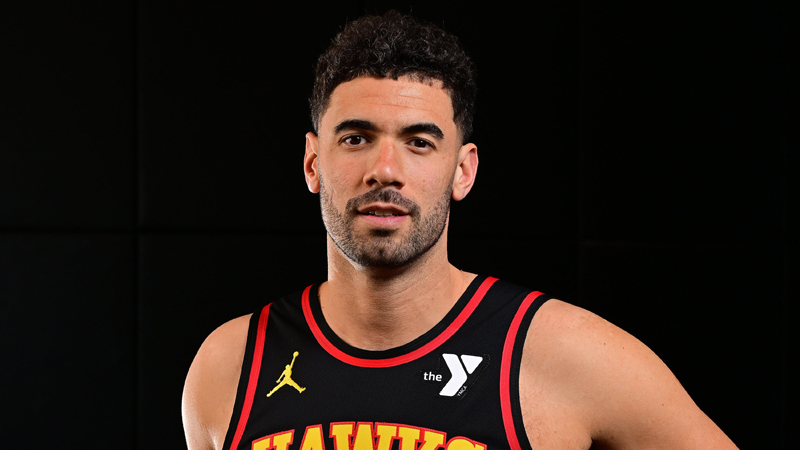
Georges Niang is of mixed ethnicity, combining West African (Senegalese) and white American heritage.
His ethnic identity is a direct reflection of his parents: his father, Sidy Niang, is a Black man who immigrated to the United States from Senegal, and his mother, Alison Niang, is a white American.
Born and raised in Lawrence, Massachusetts, Niang holds dual citizenship in both the United States and Senegal.
He identifies strongly with his Senegalese lineage, which is reflected in his first name and his public desire to represent the Senegal National Basketball Team internationally.
Understanding Georges Niang’s Mixed Ethnic Background
The cultural and ethnic identity of Georges Niang is a cornerstone of his public persona, often discussed in the context of the NBA’s increasing global diversity.
As a prominent professional athlete, Niang represents a growing group of players who bridge the gap between American basketball culture and international heritage.
To understand his background fully, we must look at the specific contributions of both his paternal and maternal lineages, which have shaped his worldview and his career trajectory.
The Senegalese Heritage of Sidy Niang
The paternal side of Georges Niang’s family is rooted in West Africa. His father, Sidy Niang, was born and raised in Senegal before making the journey to the United States as an immigrant.
This connection to Senegal is not merely a matter of genealogy; it is a foundational part of Georges’ identity.
According to the documents provided, the name “Georges” itself is a nod to the French-speaking culture of Senegal, which was a former French colony.
This linguistic tie serves as a constant reminder of his father’s homeland and the cultural history of the Senegalese people.
The American Roots of Alison Niang
Complementing his African heritage is the American background of his mother, Alison Niang. Alison is a white American, and through her, Georges is deeply connected to the cultural fabric of the United States.
Growing up in Lawrence, Massachusetts, Georges was immersed in the American lifestyle, education system, and sports culture.
This side of his heritage provided the immediate environment in which his basketball talents were nurtured, from his early days in Massachusetts to his collegiate success at Iowa State University.
The Significance of Dual Citizenship and Identity
In today’s interconnected world, dual citizenship is more than just a legal status; it is a bridge between two distinct cultures.
For Georges Niang, holding citizenship in both the United States and Senegal is a testament to his commitment to honoring his full heritage.
This dual identity allows him to navigate different social and professional spheres with a unique perspective, making him a truly global citizen within the professional basketball community.
Legal Status in the United States and Senegal
Niang’s status as a dual citizen is a result of his birth in the United States and his father’s Senegalese nationality. This legal standing grants him the rights and responsibilities of both nations.
While he has lived the majority of his life in the U.S., his legal tie to Senegal ensures that he remains connected to the West African nation on an official level.
This is a common experience for children of immigrants who maintain strong ties to their ancestral homes while flourishing in their country of birth.
Representation of the Senegal National Team
One of the most significant implications of Niang’s dual heritage is his eligibility for international basketball competitions. Because of his father’s roots, he is legally eligible to represent the Senegal National Basketball Team, often referred to as the “Lions of Teranga”.
Niang has publicly expressed a strong desire to play for Senegal in FIBA competitions, a move that would significantly boost the team’s professional profile.
This aspiration highlights his pride in his West African roots and his willingness to contribute to the growth of basketball in his father’s home country.
Cultural Upbringing and the Influence of Lawrence, Massachusetts
While his ethnicity is defined by his parents, Niang’s identity was forged in the city of Lawrence, Massachusetts. This environment played a crucial role in balancing his mixed heritage.
Growing up in a diverse American city allowed him to experience a variety of cultures while maintaining a focused connection to his specific family traditions.
Growing Up in a Diverse American Hub
Lawrence, Massachusetts, provided the backdrop for Niang’s childhood and early athletic development. Although he was immersed in American culture, the household environment likely maintained a blend of Senegalese and American traditions.
This upbringing helped him develop the versatility needed to succeed in the high-pressure environment of the NBA, where players must interact with teammates and fans from across the globe.
The Linguistic and Cultural Meaning of His Name
The name “Georges” carries specific cultural weight within the context of his identity. As noted in the provided materials, the name reflects the French-speaking influence prevalent in Senegal.
This choice of name by his parents serves as a permanent cultural marker, linking him to his West African roots even when he is competing in the heart of the United States.
It is a subtle yet powerful acknowledgment of the history and culture that his father brought with him to America.
Key Facts About Georges Niang’s Identity
To provide a quick reference for those seeking specific details about his background, the following table summarizes the core components of his heritage and status as of the latest information.
| Feature | Detail |
|---|---|
| Primary Ethnicity | Mixed (Senegalese and White American) |
| Father | Sidy Niang (Senegal-born) |
| Mother | Alison Niang (White American) |
| Citizenship | Dual (United States & Senegal) |
| Place of Birth | Lawrence, Massachusetts |
| Language Influence | French (via Senegalese culture) |
| National Team Goal | Senegal (Lions of Teranga) |
The Impact of Mixed Heritage on Professional Athletes
The story of Georges Niang is part of a larger narrative within professional sports—the rise of the multicultural athlete. As the NBA continues to expand its scouting and reach into Africa, players like Niang serve as vital ambassadors.
His ability to claim both an American and a Senegalese identity allows him to relate to a wider audience and inspires young athletes in both regions.
Building a Bridge to West African Basketball
By expressing interest in the Senegal National Team, Niang is helping to elevate the status of African basketball on the world stage.
Many NBA players with African roots have begun to give back to their ancestral homes through camps, donations, and international play.
Niang’s pride in his West African heritage encourages other players of the diaspora to explore their own roots and consider how they can contribute to the sport’s global development.
Navigating Identity in the Public Eye
Being a public figure of mixed ethnicity comes with the responsibility of representing multiple communities. Niang has handled this by being vocal about his pride in both sides of his family.
This transparency helps combat stereotypes and provides a more nuanced view of what it means to be “American” or “Senegalese” in the 21st century. His journey is a reminder that ethnicity is not a monolithic experience but a rich tapestry of influences.
Frequently Asked Questions About Georges Niang’s Heritage
What is the nationality of Georges Niang’s father?
His father, Sidy Niang, is Senegalese. He was born and raised in Senegal before immigrating to the United States, which is the primary reason Georges holds dual citizenship today,.
Has Georges Niang played for the Senegal National Team yet?
While he has publicly expressed an intense desire and goal to represent the “Lions of Teranga” in FIBA competitions, his professional NBA schedule and other factors have influenced his participation timeline,. However, he remains legally eligible to do so.
Where was Georges Niang born?
He was born in Lawrence, Massachusetts. Despite his deep ties to West Africa through his father, he was raised within the American cultural and athletic system.
Why is his first name spelled “Georges”?
The spelling of his name, “Georges,” is a direct reflection of the French-speaking culture of Senegal. Senegal’s history as a Francophone nation often influences the naming conventions of its people and their descendants.
Conclusion: A Legacy of Cultural Fusion
Georges Niang’s story is a compelling example of how heritage and identity can intersect to create a unique professional legacy.
By embracing his mixed ethnicity—combining the history of Senegal with the opportunities of America—he has built a career that transcends the boundaries of the basketball court.
His commitment to his West African roots, paired with his success in the NBA, makes him a role model for athletes navigating their own complex identities.
As he continues his career, his dual citizenship and cultural pride will undoubtedly remain central themes of his journey.