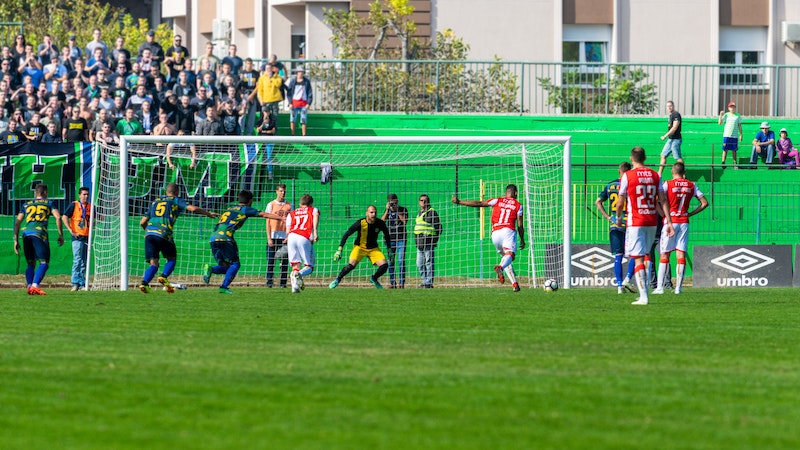
MLS stands for Major League Soccer. It is the premier professional men’s soccer league in the United States and Canada, currently featuring a roster of 30 competitive teams.
Established in 1993 as a cornerstone of the United States’ successful bid to host the 1994 FIFA World Cup, the league officially launched its inaugural season in 1996.
Today, it serves as the architectural heart of the sport in North America, blending international traditions with a distinct franchise-based model.
Understanding MLS requires exploring its unique organizational structure, its rapid expansion, and its growing influence on the global football stage.
The Historical Foundation of Major League Soccer
The inception of Major League Soccer was not merely a local sporting endeavor but a global commitment. As part of the agreement to bring the 1994 FIFA World Cup to American soil, the United States pledged to create a sustainable professional outdoor league.
While the league was formally established in 1993, the operational architecture took three years to finalize, leading to the official kickoff in 1996.
In its early years, the league sought to find a balance between traditional American sports culture and the deeply rooted customs of global football. This effort is visible today in the naming conventions of various teams.
Many organizations utilize “FC” (Football Club) or “SC” (Soccer Club) in their official titles to align with international football traditions while maintaining their North American roots.
This hybrid identity has allowed the league to appeal to both domestic fans and the global soccer community.
The Architectural Blueprint: Single-Entity Structure
The most significant differentiator between MLS and other global leagues like the English Premier League or La Liga is its business model. MLS operates under a “single-entity” structure.
In this framework, the teams and player contracts are centrally owned by the league itself rather than by independent club owners.
Investors in the league do not own individual teams in the traditional sense; instead, they buy shares in the league and are granted the right to operate a specific team.
This centralized architecture was designed to ensure long-term financial stability and prevent the fiscal collapses that plagued previous professional soccer attempts in North America. By controlling costs and sharing revenues, the league maintains a high level of competitive parity.
Competitive Format and the Journey to the MLS Cup
The MLS season operates on a timeline that differs from the traditional European “fall-to-spring” calendar. The regular season typically begins in February and concludes in October.
This schedule is designed to capitalize on better weather conditions across North America and to minimize overlap with other major sporting events.
The Regular Season and Group Dynamics
With 30 teams currently participating, the league manages its vast geographical footprint through a structured group system. For the current 2026 season, teams are organized into multiple groups to facilitate travel and regional rivalries.
The intensity of the regular season is high, as teams fight for position in the standings to secure a spot in the post-season.
The MLS Cup Playoffs
Unlike many European leagues where the team with the most points at the end of the season is crowned champion, MLS utilizes a playoff system. After the regular season concludes in October, the top-performing teams enter the MLS Cup Playoffs.
This tournament-style format culminates in the MLS Cup, the championship match held in December to determine the ultimate league winner.
This post-season structure mirrors the “bracket” style of other major North American sports, providing a high-stakes finale to the year.
Measuring Success: Current Standings and Historical Giants
The identity of MLS is defined by the teams that have built legacies over the past three decades. Success in the league is measured both by historical dominance and current performance in the 2026 season.
Historical Leaders and the Current Champion
When discussing the “architects” of victory in MLS, the LA Galaxy stands at the pinnacle. They hold the record for the most MLS Cup titles in league history, with five championships to their name. Their history of success has made them a benchmark for excellence within the league’s structure.
In the modern era, the landscape is shifting. Inter Miami CF is the current holder of the MLS title. Their rise to prominence represents the new era of the league, where strategic investments and high-profile talent acquisitions have transformed the competitive balance.
The 2026 Season Performance
In the ongoing 2026 season, the competition remains fierce. According to current data, teams like San Jose and Vancouver have shown strong early performances, leading their respective sections of the table.
The league’s architecture ensures that every match counts, with an average of 3.01 goals per match being recorded in the 2026 season, highlighting the offensive-minded nature of the current game.
| Key Metric | 2026 Season Data |
|---|---|
| Total Teams | 30 |
| Average Goals Per Match | 3.01 |
| Most Successful Team | LA Galaxy (5 Titles) |
| Current Title Holder | Inter Miami CF |
| Average Attendance | 21,265 |
The Scale of Matchday: Stadiums and Fan Attendance
One of the most visible signs of the league’s growth is the infrastructure supporting the matches. The shift from playing in massive, empty American football stadiums to soccer-specific venues has been a key part of the league’s evolution.
Stadium Capacity and Atmosphere
The scale of the matchday experience varies significantly across the league. Atlanta United FC currently boasts the largest stadium capacity, with the ability to host up to 71,000 spectators.
This massive scale allows for record-breaking attendance figures. For example, during the 2025 season, a match between Atlanta United FC and the LA Galaxy drew a staggering 72,548 fans, marking the highest attendance for a single game that year.
Growing Fan Engagement
The overall health of the league is reflected in its attendance metrics. The average attendance per game stands at over 21,000, showing a consistent and dedicated fanbase.
In the 2025 season alone, total attendance reached approximately 8,676,109 fans across all matches. These numbers demonstrate that soccer has moved from a niche interest to a mainstream professional division in North America.
Media Strategy and Global Reach
The modern architecture of MLS extends beyond the pitch and into the digital realm. The league has embraced a forward-thinking media strategy to reach fans globally.
The Apple TV Partnership
In a landmark move for professional sports, MLS entered into a long-term partnership with Apple. The primary TV partners for the league are the MLS Season Pass and the Apple TV app.
This deal centralized the broadcasting of all MLS matches, removing local blackouts and providing a consistent viewing experience for fans in the United States, Canada, and around the world.
International Qualifications
The league’s internal structure also provides pathways to international glory. The top four teams from the MLS standings qualify for the CONCACAF Champions League.
This allows MLS clubs to compete against the best teams from North America, Central America, and the Caribbean, further establishing the league’s status on the international stage.
Frequently Asked Questions About MLS
What is the full form of MLS?
MLS stands for Major League Soccer, the top-tier professional soccer league in the United States and Canada.
Who is the current MLS champion?
Inter Miami CF is the current titleholder as of the 2026 season.
Which team has won the most MLS Cups?
The LA Galaxy holds the record for the most titles, having won the MLS Cup five times.
How many teams are currently in the league?
There are currently 30 teams competing in MLS.
When does the MLS season take place?
The season usually starts in February and concludes with the MLS Cup in December.
What is the average scoring rate in the league?
In the 2026 season, the average number of goals per match is 3.01.
Who was the top scorer in the most recent completed season?
Sebastián Driussi was the top scorer for the 2025 season, netting 25 goals.
Conclusion: The Future of the MLS Blueprint
Major League Soccer has evolved from a fledgling organization born out of a World Cup bid into a powerhouse of North American sports.
Its unique single-entity structure, combined with a commitment to high-quality stadiums and innovative media partnerships, has created a league that is both financially stable and competitively exciting.
As the league continues to grow toward its 30-team capacity and beyond, its identity remains a blend of local passion and global standards.
Whether you are watching a match on Apple TV or joining 70,000 fans in Atlanta, the “Major League Soccer” brand represents the successful architecture of a sport that continues to capture the imagination of millions.
For those looking to follow the journey, the 2026 season promises to be another record-breaking chapter in the history of the sport.