If you’re new to skating—whether it’s ice skating, roller skating, inline skating, or hockey—you’ve probably heard the term “guard” used in different contexts. Coaches mention it. Skate shop employees recommend it. Parents remind their kids not to forget it.
But what exactly does guard mean in skating?
The answer depends on the context. In skating, “guard” can refer to protective equipment, blade covers, skill techniques, or positioning in sports like hockey. Understanding the meaning of guard in each setting helps you skate safely, perform better, and take proper care of your equipment.
In this complete guide, we’ll break down everything you need to know about what “guard” means in skating—clearly and in detail.
Blade Guards in Ice Skating
One of the most common meanings of “guard” in skating refers to blade guards in ice skating.
What Is a Blade Guard?
A blade guard is a protective cover placed over the metal blade of ice skates when you’re not on the ice.
Ice skate blades are extremely sharp. They’re designed to grip into the ice to allow turning, stopping, and jumping. But outside the rink—on concrete, rubber mats, or locker room floors—those same sharp blades can become damaged quickly.
That’s where blade guards come in.
Why Blade Guards Are Important
Blade guards serve two main purposes:
1. Protecting the Blade
Ice skate blades dull quickly if they touch hard surfaces like:
- Concrete
- Tile
- Asphalt
- Wood floors
Blade guards prevent nicks, chips, and dull edges, helping your skates stay sharp longer.
2. Protecting People and Surfaces
Sharp blades can:
- Scratch floors
- Cut bags
- Injure someone accidentally
Blade guards reduce these risks when walking off the ice.
Types of Blade Guards
There are two main types:
Hard Guards
- Made of plastic
- Used when walking around off-ice
- Should be removed before storing skates long-term
Soft Guards (Soakers)
- Made of absorbent fabric
- Used for storage
- Help absorb moisture and prevent rust
Important tip: Never store skates long-term in hard plastic guards. Moisture can get trapped inside and cause rust.
Skate Guards in Roller and Inline Skating
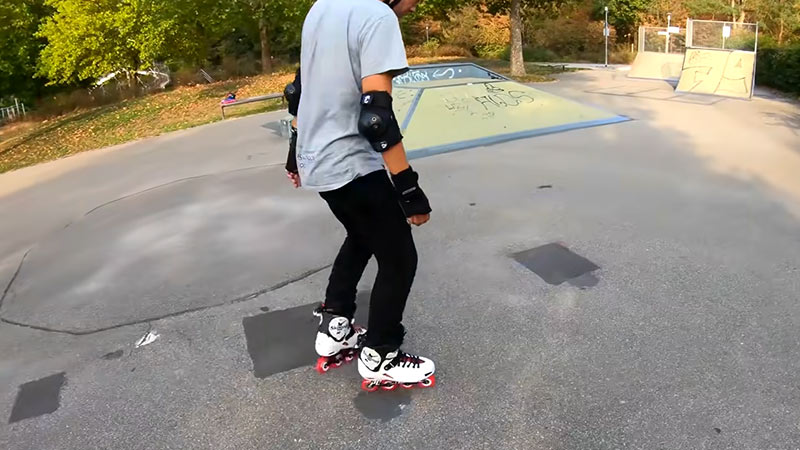
In roller skating and inline skating, “guard” usually refers to protective gear worn on the body, not equipment covers.
When people say, “Don’t forget your guards,” they typically mean:
- Wrist guards
- Knee guards
- Elbow guards
Let’s break these down.
Wrist Guards
Wrist guards are one of the most important protective items in roller and inline skating.
Why Wrist Guards Matter
When people fall while skating, their instinct is to put their hands out to break the fall. This often leads to wrist injuries.
Wrist guards:
- Stabilize the wrist
- Reduce impact force
- Help prevent fractures and sprains
Beginners especially benefit from wrist guards because falls are more common during the learning stage.
Knee and Elbow Guards
Knee Guards
Knee guards:
- Protect against scrapes and bruises
- Cushion direct impacts
- Prevent more serious joint injuries
In aggressive inline skating or skate park environments, knee guards are essential.
Elbow Guards
Elbow guards:
- Protect against hard side falls
- Reduce skin abrasions
- Provide cushioning
Together, wrist, knee, and elbow guards create a basic safety system for skaters.
Mouth Guards in Hockey
In ice hockey and roller hockey, a “guard” can also mean a mouth guard.
What Is a Mouth Guard?
A mouth guard is a protective device worn over the teeth to prevent dental injuries.
Hockey is a high-impact sport involving:
- Fast-moving pucks
- Sticks
- Body contact
- Falls
A mouth guard:
- Protects teeth from impact
- Reduces risk of jaw injury
- May help minimize concussion risk
Many leagues require them.
Guard Position in Hockey
In hockey, “guard” can also refer to a defensive positioning concept.
Although hockey doesn’t officially have a position called “guard” (like basketball), players are often instructed to:
- Guard an opponent
- Guard the net
- Guard a passing lane
In this sense, guard means:
To closely defend or protect against an opposing player or scoring opportunity.
For example:
- A defenseman guards the crease.
- A forward guards the point.
- A player guards a specific opponent.
This usage relates more to strategy than equipment.
Toe Guards in Skating
Another type of guard in skating is the toe guard.
What Is a Toe Guard?
Toe guards are protective covers placed over the toe area of the skate boot.
They are commonly used in:
- Roller derby
- Artistic roller skating
- Aggressive skating
Why Use Toe Guards?
Toe guards:
- Protect the front of the boot from scuffing
- Extend the lifespan of expensive skates
- Improve appearance over time
For skaters who perform toe stops frequently, toe guards are especially useful.
Guard in Figure Skating Terminology
In figure skating, guard primarily refers to blade guards, but the term can also be used informally in coaching.
For example:
- “Guard your edge” might mean to protect or maintain your skating edge.
- “Guard your position” may refer to maintaining proper body alignment.
In these cases, guard means to protect, maintain, or control something carefully.
Shin Guards in Hockey
In hockey, shin guards are another essential protective piece.
What Are Shin Guards?
Shin guards:
- Cover the lower leg
- Protect from puck impacts
- Shield against stick contact
Hockey pucks can travel at extremely high speeds. Without shin guards, players risk severe bruising or fractures.
This is another example of “guard” meaning protective equipment.
Why Guards Are So Important in Skating?
Skating is a dynamic sport that involves:
- Speed
- Balance challenges
- Hard surfaces
- Sharp equipment
Because of these factors, guards serve three main purposes:
Injury Prevention
Protective guards reduce the risk of:
- Broken bones
- Sprains
- Cuts
- Dental damage
Equipment Protection
Blade guards and toe guards:
- Prevent damage
- Extend equipment lifespan
- Save money on repairs
Confidence Boost
Wearing guards increases confidence, especially for beginners.
When skaters feel protected:
- They try new skills
- They improve faster
- They skate more comfortably
Do Beginners Need Guards?
Yes—especially in roller and inline skating.
For beginners, recommended guards include:
- Helmet
- Wrist guards
- Knee guards
- Elbow guards
Ice skaters don’t usually wear knee or wrist guards recreationally, but beginners—especially children—can benefit from padded gear.
Hockey players, however, require full protective gear.
Common Mistakes With Skate Guards (Detailed Explanation)
Even experienced skaters sometimes misuse skate guards, which can lead to unnecessary equipment damage or preventable injuries. Understanding these common mistakes helps extend the life of your gear and keeps you safer on the rink.
Storing Skates in Hard Guards
One of the most common mistakes is leaving ice skates inside hard plastic blade guards after a session. While hard guards are designed for walking off the ice, they trap moisture around the blade when used for storage.
Over time, this moisture leads to rust, corrosion, and dull edges. Instead, always dry your blades thoroughly with a towel and switch to soft fabric soakers for storage.
Wearing Worn-Out Guards
Protective guards lose effectiveness over time. Cracked plastic, flattened padding, loose straps, or compressed foam reduce shock absorption and stability. Continuing to use damaged wrist, knee, or elbow guards increases injury risk during falls.
Skipping Wrist Guards as a Beginner
Many beginners underestimate the importance of wrist guards. Falls are frequent when learning, and wrists are usually the first point of impact. Without proper support, fractures and sprains are common.
Forgetting Blade Guards Off-Ice
Walking on concrete or hard flooring without blade guards quickly dulls and chips skate blades, leading to expensive sharpening or replacement.
Choosing the Right Guards
If you’re shopping for skate guards, consider:
For Blade Guards:
- Adjustable sizing
- Durable plastic
- Proper fit for blade length
For Body Guards:
- Snug but comfortable fit
- Breathable material
- Secure straps
- Good impact padding
Quality matters. Cheap guards may not provide adequate protection.
14. Are Guards Required?
Requirements vary by skating type:
Ice Skating (Recreational)
- Blade guards are required off-ice
- Bodyguards optional
Figure Skating
- Blade guards are required off-ice
- Protective gear is rarely worn during performance
Roller Skating (Recreational)
- Guards recommended
- Sometimes required in rinks
Hockey
- Guards mandatory
- Full protective equipment required
Always check the rink or league rules.
Final Thoughts: What Does Guard Mean in Skating?
So, what does guard mean in skating?
It can refer to:
- Blade guards that protect ice skate blades
- Wrist, knee, and elbow guards for roller skating
- Mouth guards and shin guards in hockey
- Defensive positioning in team play
- Toe guards that protect skate boots
Although the meaning changes slightly depending on the discipline, the core concept remains the same: guarding means protecting.
Whether you’re a beginner learning to balance or an experienced hockey player competing at high speed, guards play a crucial role in safety, performance, and equipment care.
If you’re just starting, investing in proper guards can save you from injuries and costly equipment damage. And if you’re advancing in your skating journey, understanding the different meanings of “guard” helps you navigate the sport more confidently.
Skating is fun, freeing, and exhilarating—but it’s always better when you’re protected.