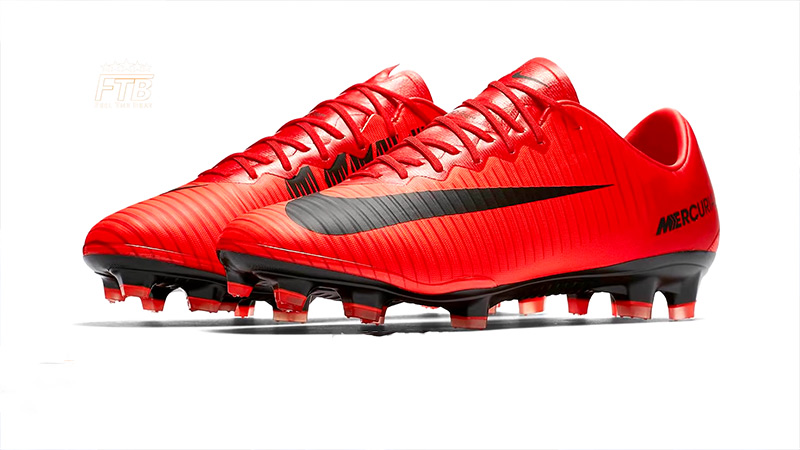
Modern soccer is as much a triumph of material science as it is of athletic prowess. Every sprint, strike, and slide is supported by a complex architecture of high-performance fabrics, advanced polymers, and specialized foams.
Understanding what are soccer cleats made of allows players and enthusiasts to appreciate the engineering that drives the world’s most popular sport.
From the traditional touch of kangaroo leather to the revolutionary responsiveness of bio-based plastics, the composition of footwear has evolved to meet the demands of the elite game.
This guide explores the sophisticated components that define today’s top-tier cleats and their performance impacts.
The Anatomy of an Elite Soccer Cleat Upper
The upper, or the outer shell of the boot, is perhaps the most critical component for a player’s performance, as it serves as the primary interface between the foot and the ball.
Historically, this section was dominated by heavy hides, but contemporary engineering has introduced a spectrum of materials designed for specific tactile outcomes.
Manufacturers now prioritize the “feel” of the ball, the weight of the boot, and the overall fit to cater to different player personas—from the lightning-fast winger to the commanding central midfielder.
The Legacy of Natural Leathers
Natural leather remains a prestigious choice in the soccer world due to its unique organic properties. Kangaroo Leather, frequently referred to as K-Leather, is the industry’s premium standard.
It is highly regarded by professional players for its exceptional softness and its innate ability to mold perfectly to the unique contours of the athlete’s foot. This provides a “natural” touch that many players believe is unmatched by any lab-grown alternative.
However, this performance comes with specific maintenance requirements, as natural leather can absorb water on wet pitches and generally carries a higher price point.
For those seeking a balance between performance and value, calfskin and full-grain leathers are common alternatives.
While these materials are more affordable and offer significant durability, they are slightly heavier than K-leather and require a longer “break-in” period before they feel comfortable
. Despite these drawbacks, the longevity of full-grain leather makes it a staple for players who prioritize a rugged, dependable boot.
Synthetic Engineering and Modern Performance
As the game has become faster, the demand for lighter footwear has led to the rise of synthetic uppers. These materials are often constructed from polyurethane (PU) or other advanced plastic-based fabrics. T
he primary advantage of synthetics is their weight; they allow for a thinner profile that reduces the mass a player must move during a 90-minute match.
Furthermore, synthetic materials are inherently water-resistant and significantly easier to clean than their leather counterparts.
While they do not mold to the foot with the same precision as leather, modern manufacturing has closed this gap significantly, offering high-end synthetics that mimic the elasticity of natural skins.
The Rise of Knit Technology
The most recent revolution in cleat construction is the introduction of knit fabrics. Brands utilize high-strength yarns, such as Nike’s Flyknit or Adidas’ Primeknit, to create a “sock-like” upper that prioritizes breathability and a snug fit.
These uppers are designed to feel like an extension of the leg rather than a separate piece of equipment. To ensure these porous fabrics are ready for professional play, they are typically coated in a very thin layer of silicone or protective plastic.
This coating provides the necessary waterproofing and adds a level of grip to the surface of the boot, assisting with ball control in inclement weather.
Soleplate Engineering and Traction Dynamics
If the upper is about touch, the soleplate is about power. This section of the cleat is engineered for stability, energy return, and grip on the pitch.
A soleplate must be stiff enough to provide a platform for sprinting but flexible enough to move with the natural biomechanics of the foot.
The materials used here are often the result of intense aerospace and automotive-grade polymer research, ensuring they can withstand the high torque of a professional soccer match.
| Material Type | Primary Characteristics | Common Usage |
|---|---|---|
| TPU (Thermoplastic Polyurethane) | Stiff yet flexible; high durability. | Standard for Firm Ground (FG) plates. |
| Pebax® | High-performance, bio-based plastic; extremely lightweight. | Elite-level speed boots and responsive soleplates. |
| Nylon | Lightweight and rigid. | Often used in the midfoot for structural support. |
| Carbon Fiber | Ultra-rigid and light. | Specialized for maximum energy return in speed-focused models. |
The choice of material for the studs—the spikes on the bottom of the plate—is equally vital and is dictated primarily by the playing surface. For standard firm ground grass or modern artificial turf, plastic or rubber studs are the most common.
They provide a balance of safety and grip without being too aggressive on the player’s joints. Conversely, for wet and muddy fields, “Soft Ground” cleats utilize metal studs, typically made of steel or aluminum.
These metal components are designed to dig deeper into the soil, preventing the player from slipping during explosive movements.
Internal Components: Comfort and Resilience
While the exterior of the boot gets the most attention, the internal components are what determine the long-term comfort and injury-prevention capabilities of the footwear.
A manufacturing process ensures that even the parts a player never sees are optimized for peak performance. This includes the cushioning systems and the structural fibers that hold the boot together under extreme tension.
EVA Cushioning and Impact Management
The midsole and insole of a soccer cleat are where the foot finds its relief from the hard impact of the ground. These components are frequently made from Ethyl Vinyl Acetate, commonly known as EVA.
This foam-like material is prized in the footwear industry for its shock-absorbing properties and its ability to maintain its shape over time.
In high-end cleats, the EVA may be perforated for weight reduction or layered with different densities to provide targeted support to the arch and heel, reducing the risk of common injuries like plantar fasciitis.
Sustainable Fibers and Circular Manufacturing
In alignment with global sustainability goals, modern soccer cleats are increasingly incorporating eco-friendly materials. The internal linings and laces are now typically manufactured from recycled polyester, nylon, or other synthetic fibers.
This shift does not compromise performance; in many cases, recycled synthetics offer superior moisture-wicking properties compared to virgin materials.
By repurposing plastic waste into high-strength laces and linings, manufacturers are reducing the environmental footprint of the sport while maintaining the rigorous standards required for professional play.
Performance Analysis: Leather vs. Synthetic
Choosing between leather and synthetic materials is often a matter of playing style and personal preference.
Leather cleats are generally favored by “playmakers”—midfielders who touch the ball hundreds of times per game and value the dampened, soft feel for passing and control.
The way leather molds to the foot creates a personalized fit that synthetics struggle to replicate, making them the gold standard for comfort.
On the other hand, “attackers” and “wingers” frequently opt for synthetic or knit boots. These players prioritize weight and responsiveness.
A synthetic boot stays light even in the rain, whereas a leather boot can become heavy as it soaks up water.
Additionally, the “snap” of a Pebax® or TPU soleplate provides a more aggressive energy return, which is essential for the quick acceleration required to beat a defender to the ball.
Frequently Asked Questions
What is the best material for artificial turf?
For artificial surfaces, a TPU soleplate with shorter, multi-directional rubber or plastic studs is recommended. This prevents the “stud-lock” that can lead to knee injuries while providing enough traction for the synthetic blades of grass.
How do I maintain leather soccer cleats?
Since natural leathers like K-leather can absorb water and dry out, it is important to clean them with a damp cloth and occasionally apply a leather conditioner. This keeps the material supple and prevents cracking over time.
Are knit cleats durable?
Yes, despite their fabric-like appearance, modern knit cleats use high-strength yarns and protective coatings. They are designed to withstand the high-intensity friction and contact inherent in a soccer match.
What are the lightest soccer cleats made of?
The lightest cleats typically feature a Pebax® soleplate and an ultra-thin synthetic or knit upper. These materials minimize mass while maintaining the structural integrity needed for high-speed play.
Elevate Your Game with the Right Gear
Understanding the science behind your equipment is the first step toward optimizing your performance on the pitch.
Whether you prefer the timeless, molding fit of kangaroo leather or the cutting-edge, lightweight feel of a synthetic knit, the materials under your feet are designed to help you reach your full potential.
As you select your next pair of cleats, consider your playing environment, your position, and your personal comfort needs. The right combination of TPU, EVA, and advanced uppers can be the difference between a good game and a great one.
Explore our latest collections today to find the perfect blend of material science and athletic tradition, and step onto the field with the confidence of a professional.