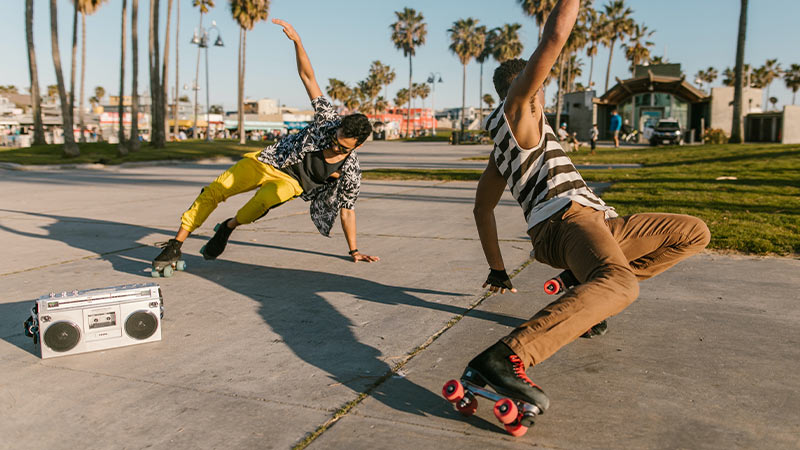
Roller skating has experienced several waves of popularity over the decades. From the disco era of the 1970s to the inline skating boom of the 1990s, skating culture has constantly evolved. But what about the early 2000s?
So, was roller skating popular in the 2000s?
The short answer: yes — but not in the same mainstream way it was during its peak decades. Instead, roller skating in the 2000s survived through community rinks, youth culture, and the powerful revival of roller derby.
Let’s break it down.
The State of Roller Skating at the Start of the 2000s
By the time the 2000s arrived, traditional quad roller skating was no longer at its peak mainstream popularity.
The 1970s disco era had long passed, and the 1990s were largely dominated by inline skating (rollerblading). Rollerblades were seen as modern, athletic, and trendy, especially among teens and young adults.
However, roller skating didn’t disappear—it simply shifted in visibility and audience.
Roller Rinks: A Social Hub in the 2000s
While roller skating wasn’t dominating pop culture headlines, roller rinks remained popular in many communities throughout the 2000s. They were especially common in:
- Small towns and suburban areas
- Youth birthday parties
- School events and fundraisers
- Teen hangout spots
For many millennials and older Gen Z individuals, roller rinks were a staple of childhood. Weekend skate nights, glow-in-the-dark events, and DJ sessions kept the culture alive.
Even though skating wasn’t a global trend at the time, it maintained strong local popularity.
The Rise of Roller Derby
One of the biggest contributors to roller skating’s relevance in the 2000s was the revival of roller derby.
Modern roller derby experienced a major resurgence in the early-to-mid 2000s, particularly in the United States. Leagues began forming in cities across the country, with a focus on:
- Women-led teams
- DIY, grassroots organization
- Punk and alternative culture influences
By the late 2000s, roller derby had grown into an international sport with structured leagues and championships. This movement helped keep quad skating alive and even gave it a bold new identity.
Rollerblading vs. Roller Skating in the 2000s
During the early 2000s, inline skating still held more mainstream appeal than traditional quad skates. Inline skates were associated with:
- Extreme sports
- Urban tricks and street skating
- Fitness and recreation
However, even rollerblading saw a decline compared to its peak in the 1990s. As skateboarding, BMX, and other action sports gained more media attention, skating in general became less dominant in youth culture.
Pop Culture and Media Influence
Unlike the disco era or the TikTok-driven resurgence of the 2020s, roller skating in the 2000s didn’t have a massive pop culture push. There weren’t many blockbuster films, viral music videos, or fashion trends centered around skating.
That said, skating still appeared in:
- Teen movies and TV shows
- Music videos
- Community events and competitions
It just wasn’t defining the decade the way it had in previous generations.
Was Roller Skating “Cool” in the 2000s?
The answer depends on perspective.
- In mainstream fashion and global pop culture? Not particularly.
- In local communities and niche scenes? Absolutely.
For many teens growing up in the 2000s, roller skating was still a fun and memorable activity. It may not have been trendy in high fashion or celebrity culture, but it remained socially relevant at the grassroots level.
The Late-2000s Shift Toward Revival
By the end of the 2000s, early signs of nostalgia culture began appearing. Millennials who grew up skating started revisiting it as adults.
This laid the groundwork for the massive roller skating revival that would explode in the late 2010s and especially during the early 2020s.
Social media later played a major role in bringing roller skating back into the spotlight—but the foundation never truly disappeared.
Final Verdict: Was Roller Skating Popular in the 2000s?
Roller skating in the 2000s was moderately popular—but not at its cultural peak.
It survived through:
- Roller rinks
- Roller derby
- Youth social events
- Dedicated hobbyists
While it wasn’t the defining trend of the decade, it remained a meaningful and widely enjoyed activity for many communities.
In short, roller skating in the 2000s wasn’t a global craze—but it was far from dead.