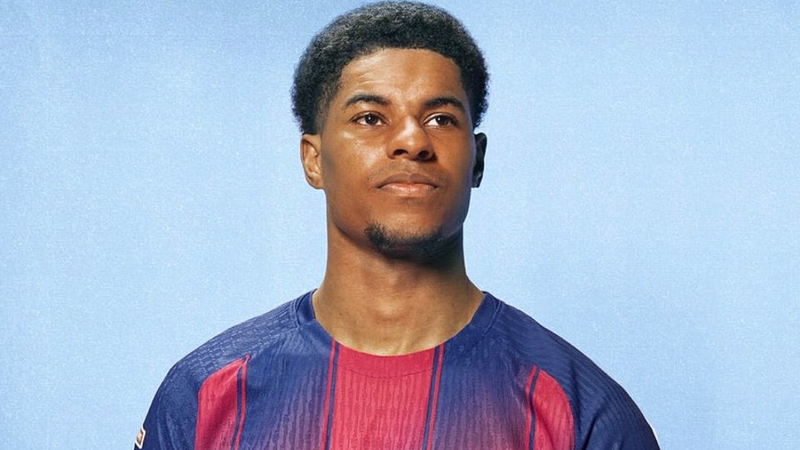
Marcus Rashford is far more than a world-class forward for Manchester United; he is a defining figure of contemporary national identity and a catalyst for social change.
Born on 31 October 1997, Rashford’s journey from the streets of Manchester to the pinnacle of global sport has been marked by a relentless commitment to his roots and his country.
While his athletic prowess is well-documented, the nuances of Marcus Rashford’s nationality remain a subject of significant interest.
He stands as a primary example of a modern athlete whose influence permeates through sport, politics, and the very cultural fabric of the United Kingdom.
Defining Marcus Rashford’s Nationality and Background
To understand the trajectory of a modern icon, one must first establish the legal and professional foundations of their identity. Marcus Rashford’s nationality is English.
This identification is not merely a formality; it is the cornerstone of his professional eligibility and his public persona.
As a central figure in the English sporting landscape, his status as a “local hero” in Manchester is deeply intertwined with his identity as a representative of the English nation on the global stage.
Manchester Roots and Professional Growth
Born and raised in the Wythenshawe area of Manchester, England, Rashford’s upbringing was deeply influenced by the local culture and the city’s storied footballing traditions.
His path to stardom began at the age of seven when he joined the Manchester United youth system. This early immersion in one of England’s most prestigious academies ensured that his development was entirely synchronized with the standards of the English game.
This local connection is a point of immense pride for fans, as it exemplifies the “homegrown” talent model that is highly valued in the Premier League.
Legal Status and National Representation
As a British citizen born within the United Kingdom, Marcus Rashford’s nationality is English, which grants him the right to represent the “Three Lions” in international competition.
Throughout his youth and senior career, he has exclusively worn the England kit, reinforcing his national identity through hundreds of hours of play on the international stage.
His career serves as a case study in how a player’s birthplace and early professional environment solidify their national alignment, creating a seamless bond between the individual and the country they represent.
The Roots of an Icon: Heritage and Family
While his nationality is officially English, Rashford’s identity is enriched by a multi-layered cultural background that reflects the diverse nature of modern Britain.
Understanding his Caribbean heritage is essential for a complete view of the man behind the athlete. This heritage provides a broader context for his values and the universal appeal he holds among fans from varied backgrounds.
Caribbean Lineage: St. Kitts and Nevis
Marcus Rashford’s family heritage traces back to the Caribbean, specifically to the island of St. Kitts. His mother, Melanie Maynard, was born in St. Kitts and has been a central pillar of his life and career.
This connection to the Caribbean diaspora in the United Kingdom is a significant part of his personal identity. Many modern English athletes share this dual-layered identity, where their English nationality is complemented by the cultural traditions of their ancestors.
This blend of cultures allows Rashford to navigate different social spheres with ease and authenticity.
Family Values and Resilience
The resilience and work ethic that characterize Rashford’s career are often attributed to the values instilled by his family. Growing up in a household that faced financial challenges, he witnessed firsthand the importance of perseverance and community support.
These experiences, rooted in his family’s history and their life in Manchester, have shaped his worldview.
His Caribbean heritage often emphasizes strong familial bonds, which is evident in his close relationship with his mother and siblings, who have managed his professional affairs and supported his philanthropic endeavors.
Representing England: A Career of National Pride
Marcus Rashford’s commitment to his English nationality is most visible during the international breaks when he represents the senior national team.
His international career began with an explosive entrance that signaled the arrival of a generational talent, and he has since become one of the most consistent and influential players for England in major tournaments.
Record-Breaking International Career
Rashford’s transition into the senior England squad was historic. In May 2016, at the age of 18, he scored on his debut against Australia, becoming the youngest player to score in his first senior appearance for England.
This immediate impact solidified his status as a national asset. Since then, he has been a fixture in the squad, contributing to some of the nation’s most successful tournament runs in decades.
His pride in his English nationality is evident every time he takes the pitch, often being cited as a leader and a role model for younger players entering the national setup.
Major Tournament Performance Summary
The following table highlights Rashford’s participation and impact during major international campaigns for England, showcasing his longevity and importance to the national side.
| Tournament | Achievement | Year |
|---|---|---|
| UEFA Euro | Youngest player for England at the time | 2016 |
| FIFA World Cup | Reached Semi-Finals | 2018 |
| UEFA Euro | Reached the Final | 2021 |
| FIFA World Cup | Leading Team Goalscorer | 2022 |
These milestones demonstrate that while he is a global star, his primary professional legacy is built upon his contributions to English football and the national team’s pursuit of glory.
National Hero: Impact Beyond the Football Pitch
Perhaps the most significant aspect of Marcus Rashford’s identity in recent years is his role as a social activist.
He has utilized his platform as a prominent English citizen to challenge government policy and advocate for the most vulnerable members of society, particularly children.
Advocacy for Child Food Poverty
During the COVID-19 pandemic, Rashford became a symbol of national conscience. He successfully lobbied the British government to continue providing free school meal vouchers for children during school holidays.
This campaign was not merely about charity; it was about the responsibilities of a nation toward its future generations.
By standing up for “English children,” he redefined what it means to be a national hero, proving that an athlete’s influence can effect real legislative change and improve the lives of millions.
Recognition and Honors
In recognition of his extraordinary services to the community, Rashford was appointed a Member of the Order of the British Empire (MBE) in 2020.
This honor, bestowed by the British monarchy, is a formal recognition of his contributions to the United Kingdom. It further cements his English identity within the traditional structures of the nation while highlighting his role as a modern reformer.
His ability to bridge the gap between traditional national honors and grassroots social activism has made him a uniquely influential figure in 21st-century England.
Global Identity and Modern British Values
The narrative of Marcus Rashford’s nationality is also the story of how English identity is evolving in a globalized world. Rashford represents a version of “Englishness” that is inclusive, diverse, and socially conscious.
He serves as a role model for the next generation, showing that national pride and professional excellence can be used as tools for the greater good.
Role Model for a Multicultural Nation
As a Black British man with Caribbean heritage, Rashford is a powerful symbol of integration and success within the United Kingdom.
For many young people from minority backgrounds, he is proof that one can be fiercely proud of their English nationality while also honoring their cultural roots.
His success provides a roadmap for achievement, demonstrating that national identity is defined by character and contribution to society as much as by birthplace.
The Synergy of Local and Global Appeal
While he is a national icon, Rashford’s brand has immense global reach. Fans from around the world follow his career not just for his skills on the pitch, but for the universal values of empathy and justice he represents.
However, the core of this global appeal remains his status as a star in the English Premier League. This synergy between his local Manchester roots and his international influence is what makes him a world-class figure in sports and public life, meeting the highest standards of excellence and professionalism.
Frequently Asked Questions: Marcus Rashford Nationality
Quick Facts Table
| Category | Detail |
|---|---|
| Official Nationality | English |
| Date of Birth | 31 October 1997 |
| Birthplace | Manchester, England |
| Heritage | St. Kitts and Nevis (Caribbean) |
| Professional Club | Manchester United |
| International Team | England |
Is Marcus Rashford eligible to represent another country?
While his nationality is English, he theoretically could have explored eligibility for St. Kitts and Nevis due to his heritage. However, having represented England in senior competitive matches, he is now permanently tied to the English national team.
What is Marcus Rashford’s ethnic background?
Rashford is of Black Caribbean descent. His mother’s roots in St. Kitts inform his cultural heritage, while his birth and upbringing in Manchester define his English nationality.
How has Rashford influenced English society?
Beyond his goals, he has influenced society through successful political lobbying for child welfare and by becoming a prominent voice against racial injustice. His actions have redefined the social responsibilities of professional athletes in the UK.
Conclusion: A Legacy Defined by National Pride
Marcus Rashford’s nationality is English, but the story of his identity is far more profound than a simple legal designation. Born on 31 October 1997, he has spent his life evolving into a figure who represents the very best of his country.
His journey highlights the importance of roots, the power of heritage, and the impact that a single individual can have on a nation’s social and political landscape.
As he continues to break records for Manchester United and England, his legacy will be measured not only by trophies and goals but by the lasting change he has brought to English society.
Marcus Rashford stands as a testament to the fact that national identity is a living, breathing concept—one that is enriched by diversity and strengthened by a commitment to the common good. He remains a quintessential English icon for the 21st century.