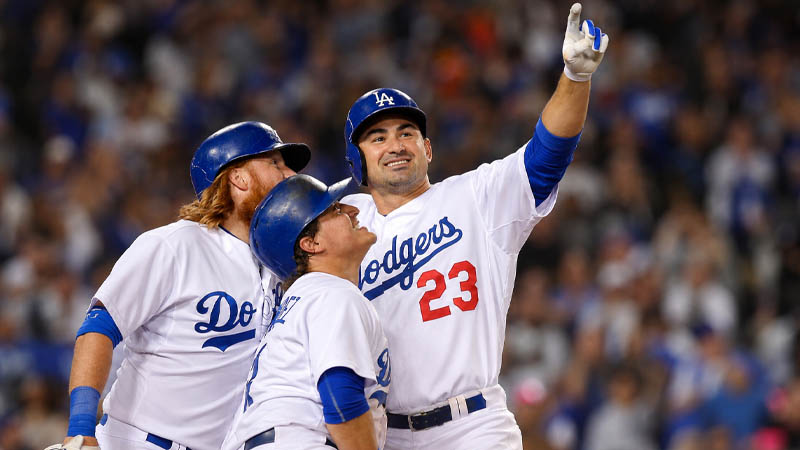
When you tune into a Major League Baseball matchup, you can usually tell within seconds which squad is defending its home turf and which one is traveling.
The formula appears simple on the surface: crisp, clean white uniforms for the hosts, and neutral, slate-colored apparel for the visitors.
Yet, beneath this familiar aesthetic lies a fascinating mix of 19th-century logistics, practical problem-solving, and deeply ingrained athletic heritage.
Home Whites vs. Road Grays
In the grand tradition of baseball, the division of colors is structured around a clear binary:
- Home Games (“Home Whites”): Teams playing in their own stadium traditionally wear white jerseys, frequently paired with matching white pants. These are often accented with team pinstripes, home-city script lettering, or primary team logos.
- Away Games (“Road Grays”): Visiting teams typically wear gray jerseys and gray pants. This neutral tone acts as the universally recognized visual identifier for the club currently playing away from its home stadium.
Why Do Baseball Teams Wear White at Home and Gray on the Road?
To understand why this practice persists, we have to look back to the formative decades of professional baseball in the late 19th and early 20th centuries. The split between white and gray was never just about looking stylish—it was born out of pure necessity.
The Laundry Dilemma of Early Baseball
In the pioneering eras of the sport, traveling teams embarked on grueling railway journeys across the country to play extended series against distant opponents.
Unlike today, where professional athletes enjoy access to industrial laundering facilities, modern hotel amenities, and multiple changes of clothes, early ballplayers faced severe limitations.
A visiting team might play a string of ten games on the road without a reliable way to deeply clean their woolen uniforms. White fabric would instantly showcase every speck of red clay, slide-dirt, and green grass stain, quickly turning a professional uniform into a grimy mess.
The Birth of “Road Grays”
To combat this, clubs traveling away from home adopted gray uniforms. Gray fabric possessed a superpower for 19th-century athletes: it masterfully camouflaged dust, dirt, and travel grime.
A visiting player could slide headfirst into second base multiple times over a two-week road trip, and his uniform would still look reasonably presentable from the grandstands.
Meanwhile, the home team stayed put. Because they had regular access to local laundering services between homestands, they could afford to wear pristine white uniforms without worrying about permanent stains.
How Technology and Television Reinforced the Tradition
As baseball grew into a national media spectacle, the visual distinction between home and away uniforms served a new purpose: helping spectators follow the action.
- The Black-and-White Television Era: In the mid-20th century, millions of fans experienced games through early television broadcasts. The clear contrast between a bright home uniform and a darker road uniform made it instantly clear who held the home-field advantage on screen, long before high-definition graphics and on-screen score overlays existed.
- Instant Recognition: Even today, when casual fans flip on a game, the psychological cue of white versus gray immediately establishes the narrative context of the match.
Modern Exceptions: Alternate Jerseys and Special Uniforms
While the white-at-home and gray-on-the-road paradigm remains the gold standard of baseball tradition, the contemporary diamond looks a bit more colorful than it did a century ago.
1. Colored Alternate Jerseys
Many franchises now feature a rotation of alternate tops—such as bold blues, vibrant reds, or sleek black designs—worn during specific home stands, night games, or weekend series. Even when a team opts for a colored jersey top, they frequently pair it with traditional white pants at home or gray pants on the road.
2. Holiday and Special Event Uniforms
Major League Baseball routinely introduces specialized collections for events like Mother’s Day, Father’s Day, the Fourth of July, and Players’ Weekend. During these events, traditional uniform color constraints are temporarily lifted across the league.
3. City Connect Series
Introduced to bridge local culture with modern athletic apparel, Nike and MLB’s City Connect uniform program allows teams to wear radically different, non-traditional color schemes for select games.
However, these are treated as special event uniforms rather than replacements for the classic home white and road gray rotation.
Uniform Traditions Across Major Sports
Baseball is unique in how strictly it adheres to its historical color split compared to other major leagues:
| Sport | Traditional Home Uniform | Traditional Away Uniform | Primary Historical Driver |
| Baseball (MLB) | White | Gray | Managing laundry and dirt accumulation on long road trips. |
| Basketball (NBA) | Varies (Historically White) | Varies (Dark/Color) | Shifted to allow home fans to see vibrant primary colors; road teams traditionally wore lighter shades. |
| Hockey (NHL) | Varies (Swapped historically) | Varies (Swapped historically) | Standardized to showcase colored sweaters to home crowds. |
| Football (NFL) | Team Choice (Often Dark) | White | Strategy regarding visibility and team branding preferences. |
Frequently Asked Questions
Is a white baseball jersey always worn at home?
Not always. While white is the traditional choice for home games, many teams regularly wear colored alternate jerseys, cream-colored throwback uniforms, or special event tops while playing at home.
Do away teams only wear gray?
Traditionally, yes, away teams wear gray pants and gray jerseys. However, modern alternative combinations mean visiting teams occasionally wear colored jerseys on the road, though they almost always pair them with gray traveling pants.
Why do some white home jerseys look slightly cream or off-white?
Off-white or “cream” jerseys are often utilized as aesthetic throwbacks to the early 20th-century wool flannel era, giving modern uniforms a vintage, heritage feel.
Conclusion
The tradition of wearing white jerseys at home and gray on the road represents far more than a simple wardrobe rule. It is a living link to the gritty, pragmatic history of early baseball.
Even as modern technology, alternate color schemes, and fashion collaborations reshape the diamond, the classic home white remains an enduring symbol of purity, tradition, and home-field identity.