Every coach, parent, and player knows the gut-wrenching feeling of a hitter stepping into the box, looking entirely helpless against a well-pitched baseball.
They might possess lightning-fast hands, a gorgeous swing path, and incredible bat speed, yet they still wave helplessly at breaking balls or get blown away by fastballs.
Why? Because hitting a baseball is not merely about swinging hard; it is the ultimate test of human synchronization.
Timing is the invisible engine of every elite hitter. When a batter has exceptional timing, a 90 miles per hour fastball suddenly looks like it’s traveling in slow motion, allowing them to barrel up the baseball with authority. Without it, even the most mechanically sound swing becomes completely useless.
If you want to transform your players from reactive guessers into confident, synchronized hitters, you need a systematic approach to teaching timing.
This comprehensive guide breaks down the core concepts, practical drills, and advanced cues required to master baseball timing from the ground up.
The Ultimate Timing Blueprint: Synchronizing with the Pitcher
To teach timing effectively, you must first reframe how a hitter views a pitch. Hitting is not a reaction to the ball crossing home plate; it is a synchronized dance with the pitcher on the mound.
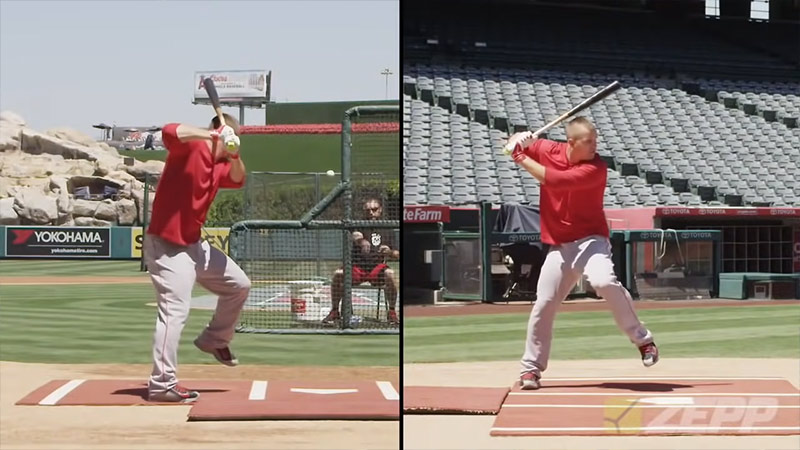
The sequence of a high-level swing relies on three distinct temporal checkpoints:
- The Load Initiation: The batter must start their load precisely when the pitcher lifts their front leg. This initiates momentum backward before moving forward.
- The Peak Balanced Load: As the pitcher’s leg reaches its apex, the hitter must achieve a stable, loaded position over their back hip, fully primed to unleash stored energy.
- The Foot Plant: The hitter’s front foot must land softly just as the ball travels halfway to the plate. This creates a firm front-side block, converting linear momentum into rotational power.
When these three milestones lock into place, the batter eliminates guesswork. They are no longer chasing the pitch; they are meeting it at the exact intersection of time and space.
Key Concepts of Hitting Timing
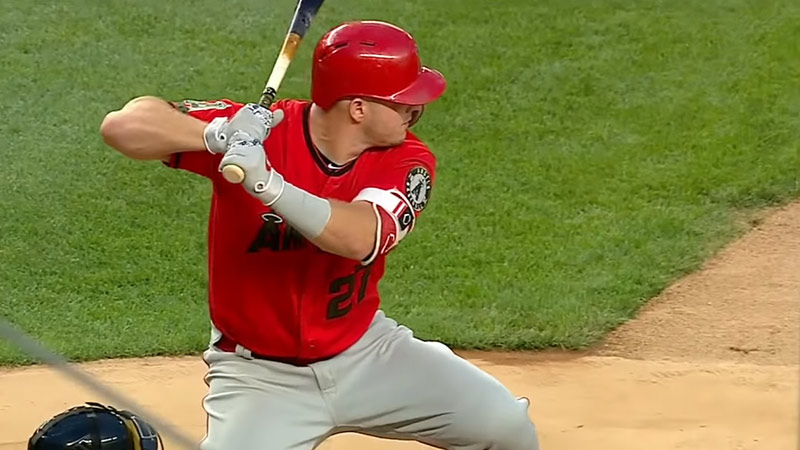
Building an elite timing mechanism requires a shift in mindset and body awareness. Here are the four foundational pillars every coach must instill in their players.
1. Establish Fluid Rhythm
Stiff muscles are slow muscles. Hitters who stand rigidly in the batter’s box while waiting for the pitch lose valuable reaction time because they have to generate movement from a dead stop.
- Keep the body loose, fluid, and moving in a steady tempo.
- Utilize a subtle bat wiggle, a rhythmic knee bounce, or a continuous trigger movement to keep the nervous system active and responsive.
2. Match the Pitcher’s Tempo
Think of the pitcher-batter matchup as a tango. The pitcher dictates the music, but the hitter must step in time with the rhythm.
- Teach players to study the pitcher’s delivery during the game and in the bullpen.
- Time the load to the pitcher’s leg lift and hand separation. When the rhythm matches, the barrel of the bat and the baseball arrive at the contact point simultaneously.
3. Control the Back Leg
One of the most common timing killers is lunging—where the hitter shifts their weight forward too early, destroying their adjustability.
- Emphasize loading heavily into the back hip.
- Keep the back foot securely connected to the ground during the stride phase. This anchors the swing, prevents premature weight transfer, and allows the hitter to wait on off-speed pitches.
4. Define “On Time” as a Wide Range
Many young hitters panic because they believe timing is a microscopic, single-frame instant. If they miss that exact millisecond, they think they failed.
- Reframe “on time” as a generous contact window.
- By utilizing a compact, inside-out bat path, hitters extend their hitting zone, allowing them to barrel up pitches even if they are fractionally early or late.
Elite Drills to Improve Timing
Knowing the concepts is only half the battle. To ingrain timing into muscle memory, hitters need high-repetition, game-speed drills that bridge the gap between practice and live pitching.
1. The Step-Back Drill
The Step-Back Drill is fantastic for teaching hitters how to feel momentum moving backward before it drives forward.
Setup: Have the hitter start with their feet slightly closer to the plate or in a slightly forward stance.
Execution: As the coach or machine initiates the toss, the hitter takes a controlled step back into their load, syncing up with the rhythm of the flip, and then transitions smoothly into their forward stride and swing.
Benefit: It eliminates dead weight shifts and forces the body into an immediate, reactive rhythm.
2. Ball-Pop Cues (Auditory Training)
Timing is visual, but incorporating auditory feedback accelerates learning.
Execution: During live batting practice or front toss, the coach or hitter says the word “Ball” out loud the exact millisecond the ball leaves the pitcher’s hand. Everyone listens for the “Pop” when the ball strikes the center of the bat.
Benefit: If the interval between “Ball” and “Pop” feels rushed or dragged out, the hitter instantly receives acoustic feedback on whether they were early or late, allowing for real-time mental adjustments.
3. Soft Toss Timing Cues
Standard soft toss can sometimes breed bad habits if hitters simply stand still and wait for the ball to enter their field of vision.
Execution: Instruct the hitter to complete their entire load backward before the coach’s arm moves forward to toss.
Benefit: This breaks the habit of waiting for the ball to enter the air before reacting, training the batter to trust their internal clock and rhythm.
Common Timing Pitfalls and How to Fix Them
Even with great drills, hitters will encounter hurdles. Recognizing these common errors will help you troubleshoot slumps quickly.
The “Toe-Tap Freeze”: Some hitters incorporate a toe-tap to gain rhythm, but they freeze at the top of the tap, killing their momentum. Fix: Encourage a continuous, flowing motion where the foot touches down softly without pausing the kinetic chain.
Chasing Velocity with Arm Speed: When facing a hard thrower, hitters often panic and try to speed up their hands, disconnecting their upper and lower body.
Fix: Remind them that speed comes from the ground up. Against velocity, they do not need to swing harder; they need to start their load earlier.
Head Movement: If a hitter’s head bobs up and down or dives forward during the load, tracking the ball becomes nearly impossible. Fix: Focus on keeping the eyes level. The body can move and load dynamically, but the visual baseline (the head) must remain stable.
Putting It All Together: From Practice to the Batter’s Box
Teaching timing is an ongoing process that requires patience, observation, and consistent repetition. By shifting the focus away from mechanical perfection and toward rhythm, tempo, and synchronization, you give hitters the tools they need to unlock their true offensive potential.
Encourage your players to treat every at-bat like a conversation with the pitcher. Listen to the tempo, establish a reliable load, trust the back leg, and watch as hard contact becomes the rule rather than the exception.