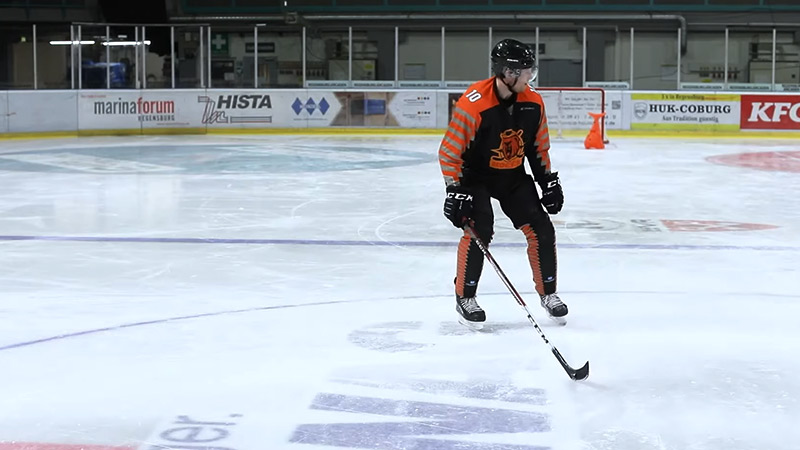
For most new skaters, the first few moments on the ice are purely magical. You step onto the frozen surface, push off with one foot, and suddenly you’re gliding through the air.
That initial sensation of weightless movement is what draws millions to the rink every year. However, that magic can quickly vanish the moment you realize you don’t know how to stop.
The “brakes” are the most critical component of any vehicle, and ice skates are no different. Many beginners find themselves paralyzed by the “car without brakes” syndrome—the fear of crashing into the boards, colliding with a fellow skater, or falling flat on their face.
These worries are not just common; they are the primary barrier between a beginner and a truly enjoyable skating experience.
In this definitive guide, we will break down the mechanics of stopping, from the foundational snowplow stop to advanced maneuvers, while ensuring you have the right gear to support your journey from fear to total confidence.
The Foundation: Why the “Brakes” Are Your Best Friend
Before we dive into the “how,” we must understand the “why.” Skating without knowing how to stop is inherently dangerous and limits your growth as an athlete.
Learning to stop provides three essential benefits: speed control, accident prevention, and a massive boost in confidence.
When you master the stop, you are no longer at the mercy of your momentum. You gain the ability to navigate crowded rinks safely and avoid painful collisions.
Most importantly, the psychological shift is profound: once you know you can stop at will, you stop worrying about falling and start focusing on the joy of the glide.
The Snowplow Stop: Your Reliable First Step
If you are a beginner, the snowplow stop is your gold standard. It is the first stop taught in the U.S. Figure Skating Basic Skills (Basic 5) curriculum because it is safe, stable, and incredibly reliable. Unlike advanced stops, it does not require one-foot balance or high-speed maneuvers.
Step-by-Step: The Mechanics of the Snowplow
To execute a perfect snowplow stop, follow these four foundational steps:
- Bend your knees slightly: This lowers your center of gravity and provides the stability needed to manage friction.
- Angle your toes inward: Think of this as creating an “A” shape with your feet.
- Push your heels outward: As you glide, exert outward pressure through your heels.
- Engage the inside edges: Allow the inside edges of your blades to “shave” the ice. This friction is what creates the deceleration.
At first, this motion might feel awkward or counterintuitive. However, with repetition, the feeling of the blades scraping the ice becomes second nature.
Progression: Comparing the Most Popular Stopping Techniques
As you grow more comfortable on the ice, you may feel the urge to try more “impressive” stops. While the snowplow is your foundation, understanding the natural progression of skills helps you set long-term goals.
| Stopping Technique | Skill Level | How It Works | Key Benefit | Key Challenge |
|---|---|---|---|---|
| Snowplow Stop | Beginner | Knees bent, toes in, heels out. | Maximum stability and safety. | Limited power at high speeds. |
| T-Stop | Advanced | One foot glides forward while the other drags behind at a 90-degree angle. | Develops incredible one-foot balance and edge strength. | Requires significant ankle control and balance. |
| Hockey Stop | Intermediate to Advanced | Both skates turn sharply sideways, skidding across the ice. | Extremely fast and powerful. | High risk of slipping if balance is off. |
Expert Tip: Many beginners feel pressured to learn the hockey stop early because it looks dramatic, often creating a “spray” of ice. However, rushing into advanced stops before mastering the basics often leads to bad habits or injuries. Focus on the snowplow first; the hockey stop will come naturally once your edge control improves.
Troubleshooting: Fixing the Common “Fear Habits”
Most stopping mistakes don’t stem from a lack of athletic ability, but from fear and tension. When you are nervous, your body stiffens, making smooth movement impossible. To progress, you must identify and fix these three common beginner habits:
Leaning Back or Locking Knees
This is a natural “defense” reflex, but it actually throws your weight off-balance and makes you more likely to fall. The fix: Keep your knees soft and your weight slightly forward over the balls of your feet.
Pressing Too Hard, Too Fast
Beginners often try to “force” the stop by digging their blades into the ice. This usually results in the skates slipping out from under them. The fix: Apply gentle, gradual pressure to the inside edges to find the “sweet spot” of friction.
The “Floor Stare”
It is tempting to look at your feet to see what they are doing. However, your body follows your eyes; looking down pitches your center of gravity forward and disrupts your balance. The fix: Keep your head up and your gaze focused on the horizon or a point in front of you.
The Mental Game: Building Muscle Memory
Overcoming the fear of the ice is a process of practice, patience, and repetition. Fear fades every time you successfully control your momentum.
Start by gliding at a slow, walking speed. Practice the snowplow motion repeatedly without trying to come to a complete halt immediately.
The goal is to familiarize your brain with the sensation of the edges creating friction. As your comfort increases, slightly increase your speed and experiment with different “angles of attack”—a wider snowplow angle will provide a firmer, faster stop.
Don’t go it alone. If you find yourself struggling, practicing with a friend or a professional coach can make the environment feel significantly less intimidating.
And remember: every skater falls. Even the professionals you see on TV hit the ice when they are pushing their limits. The goal isn’t to be perfect; it’s to make steady, confident progress.
Gear and Safety: Setting Yourself Up for Success
Your equipment can either be your greatest ally or your biggest obstacle. If your skates are loose or lack support, you will never be able to press into your edges with the confidence required to stop.
Safety Essentials for Beginners
To reduce the risk of injury and build confidence, ensure you have the following:
- A snug helmet and gloves: Crucial for protecting against falls, especially for children.
- Properly fitted skates: Skates should feel like an extension of your foot, not a clunky boot.
- Smooth ice: Practice on less crowded rinks when starting out to avoid the stress of navigating around other people.
The Riedell Advantage: Choosing the Right Series
At Riedell, we design skates specifically tailored to different stages of a skater’s journey.
- Casual Series: These are designed for stability and comfort. They are the perfect entry point for first-timers who want to master the basics like the snowplow stop without the “break-in” pain of professional boots.
- Developmental Series: As you transition to more advanced stops like the T-stop, you will need firmer ankle support and more precise blade control. This series provides the technical edge needed for intermediate maneuvers.
Why Fit Matters: If your skates are too loose, your ankles will wobble, making it impossible to apply the edge pressure needed for a clean stop. When you trust your equipment, you can focus 100% of your mental energy on your technique.
Enhanced FAQ: Your Stopping Questions Answered
Q: How long does it take to learn how to stop?
A: Most beginners can grasp the basic mechanics of a snowplow stop in a single session. However, developing the muscle memory to do it automatically at higher speeds usually takes several weeks of consistent practice.
Q: Should I learn to stop on one foot first?
A: No. Start with the two-foot snowplow stop. One-foot stops, like the T-stop, are taught in Basic 6 and require much stronger ankle control and balance.
Q: What if I feel like I’m going to fall while stopping?
A: Bend your knees deeper. A lower center of gravity is your best defense against a fall. If you do fall, try to lean forward rather than backward.
Q: Do I need hockey skates to do a hockey stop?
A: While the hockey stop is named after the sport, it can be performed on figure skates as well. However, it requires advanced edge control and is usually introduced after the snowplow stop.
Conclusion: From Fear to Joy
Mastering the stop is the exact moment ice skating transforms from a nerve-wracking ordeal into a joyful pursuit. By starting with the snowplow stop, fixing common posture mistakes, and ensuring you are wearing the right gear—like Riedell’s Casual or Developmental series—you are building a foundation for a lifetime of fun on the ice.
Take it one step at a time. Start slowly, repeat the motions, and allow yourself to improve at your own pace. Before you know it, that “impossible” stop will become second nature, and you’ll be free to explore everything the rink has to offer.