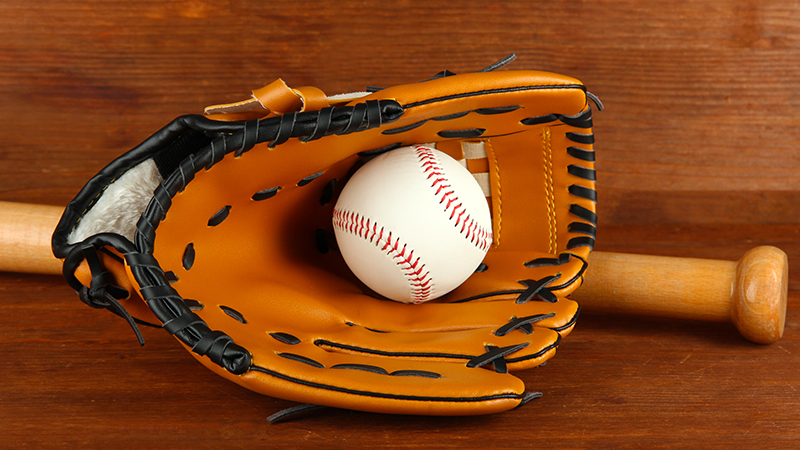
Owning a Rawlings Pro Preferred baseball glove is a rite of passage for many serious ballplayers. Known for their high-quality Kip leather and iconic wool wrist padding, these gloves offer a level of feel and durability that is second to none.
However, that premium quality comes with a challenge: out of the box, a Pro Preferred is notoriously stiff.
To help you transform that “brick” on your hand into a game-ready tool, we have analyzed expert advice from Robert Newman, the Lead Glove Engineer at Rawlings. By following the official “Leather Lab” protocols, you can ensure your glove has a long life and a perfect pocket.
Why the Break-In Process Matters
The break-in period isn’t just about making the glove close; it’s about stretching the fibers of the leather so they move in harmony with your hand.
A proper break-in establishes “break points”—the specific areas where the leather flexes—allowing for a custom fit that mirrors your catching style.
If you rush this process using “extreme measures,” you risk damaging the internal fiber structure, which can lead to a floppy glove that loses its shape or, worse, a glove that fails prematurely.
The Gold Standard — Playing Catch
According to Rawlings’ lead engineer, the absolute #1 way to break in a brand-new glove is simple: play catch. Whether you find a teammate, a parent, or even just a solid wall, the act of catching a ball is the most natural way to prepare the leather.
Why Catching is King
When you play catch, you are stretching the leather fibers “little by little”. This gradual stretching is superior to high-heat methods because it allows the leather to retain its structural integrity while slowly becoming more pliable.
- Pro Tip: Focus on how the ball impacts the pocket. This repetitive motion helps the glove “remember” its shape during gameplay.
Precision Shaping with a Glove Mallet
If you want to speed up the process or focus on specific areas of the glove, the mallet method is the engineer-recommended secondary approach. A mallet allows you to simulate thousands of catches in a controlled environment, “encouraging” the leather to relax.
Target the Break Points
When using a mallet, Newman suggests focusing on the areas where the glove naturally flexes during closure. Key areas include:
- The Thumb Region: Striking the base of the thumb helps the glove hinge more easily.
- The Top of the Web: This area is often the stiffest part of a Pro Preferred; mallet work here helps relax the web lace.
- The Web Lace: Gently hitting the laces prevents them from being too rigid, which can cause the ball to pop out.
- The Pocket: This is where you want to form a nice, deep “well” for the ball to sit in.
By establishing these break points with a mallet, you are essentially “teaching” the leather where to bend.
Lubrication and Conditioning
The third pillar of a professional break-in involves using glove balm or oil. The goal here is to make the leather fibers more malleable, which makes the stretching process more effective.
The Expert’s Application Strategy
Rawlings warns against being too aggressive with oils. Because high-end leather is “thirsty,” it will “suck right up” any liquid applied to it, which can lead to permanent darkening or a heavy, waterlogged feel.
To avoid this, follow these steps from the Rawlings Leather Lab:
- Test a Non-Visible Area: Find a spot like the underside of the pinky on the wristband to test the oil first.
- Use a Rag: Never spray or squeeze oil directly onto the glove. Apply a small amount to a rag first.
- Rub It In: Work the oil into the leather consistently to ensure even distribution.
Long-Term Benefits
Oiling isn’t just for the break-in; it’s a maintenance essential. Keeping the leather hydrated prevents cracking and can add “years and years” to the lifetime of your glove.
The “Cardinal Sins” of Glove Break-In
While it may be tempting to look for shortcuts, the experts at Rawlings are clear: avoid extreme measures.
Never do the following to your Pro Preferred:
- Microwaving or Oven-Baking: Applying high heat might make the glove soft temporarily, but it “can really damage the fiber structure” and significantly degrade the lifetime of the glove.
- The Car Method: Running over your glove with a car is an old-school myth that destroys the glove’s shape and internal padding.
These methods provide a “fast” break-in at the cost of the glove’s durability. A Pro Preferred is an investment; don’t ruin it in a microwave.