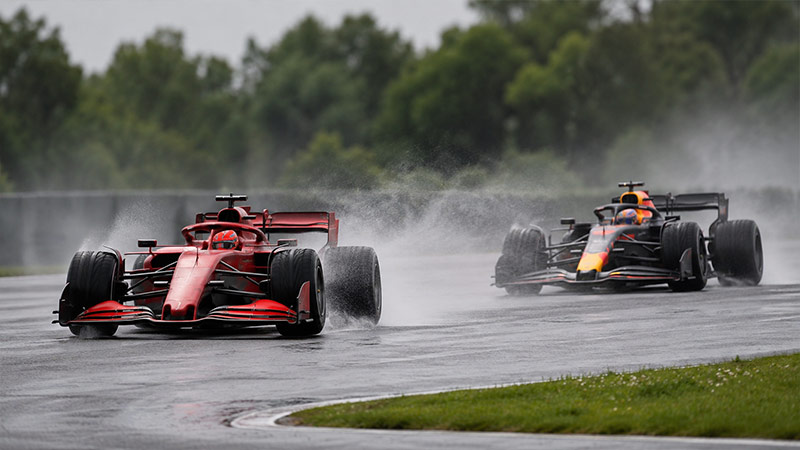
The Canadian Grand Prix had one of the most tense moments of the racing season. George Russell led the race in the early laps and had a good shot at the win. But in Formula 1, a car can fail at any time.
On lap 30, George Russell had a major power unit failure while he was leading the race. His car lost power at once. His hope of winning was over, and he had to retire from the race.
Losing the lead due to a car fault can be very hard for a driver. F1 drivers spend months getting ready for each season. Their teams also put in a huge amount of work. A single car fault can ruin all that work in just a few seconds.
Russell was upset after the sudden failure. He threw his car’s headrest onto the track near the exit of turn nine. Track staff and race officials soon took note of the act. The FIA then began a formal review of what took place.
Regulatory Analysis: Unpacking Article 12.2.1.h of the FIA Code
Race officials began a review because safety rules are very strict in motor racing. The FIA puts track safety first at all times.
Russell threw his head restraint onto the track. By doing this, he broke Article 12.2.1.h of the FIA International Sporting Code by creating an unsafe situation.
Why was this a safety risk?
- Debris on the Track: A head restraint is made from foam and other light parts. A race car could hit it at high speed. This could harm the car, damage a tire, or send the object toward another car.
- Risk to Marshals: Marshals may need to go onto or near the track to clear the object. This can put them at risk while cars are still racing.
- Safety Gear: The head restraint is an important safety item. It helps protect the driver’s head and neck in a crash. Drivers should not throw such gear onto an active track.
By throwing his head restraint onto the track, Russell created a safety risk. For this reason, race officials called for a hearing after the race.
Dissecting the FIA Verdict: Race Ban vs. Suspended Fine
After the Grand Prix, many reports spread online. Some said George Russell could face a race ban or a grid penalty. But that was not the case.
What Penalty Did George Russell Get?
George Russell did not get a race ban. The stewards gave him a €5,000 fine. However, the fine is suspended for 12 months. This means Russell does not have to pay the fine right now.
What Does a Suspended Fine Mean?
A suspended fine is a penalty that is put on hold.
- No Payment Now: Russell does not have to pay the €5,000 at this time.
- 12-Month Period: The fine stays in place for the next 12 months.
- No New Breach: If Russell does not commit a similar breach in that time, he may never have to pay the fine.
- Another Breach: If he breaks a similar rule during those 12 months, the €5,000 fine may become due. He could also face a new penalty for the new breach.
This type of penalty lets race officials take the safety issue seriously without giving a harsher punishment right away. They can also take the full situation into account, such as the sudden car failure and the fact that Russell did not mean to cause harm.
The Stewards’ Hearing: Driver Accountability and Official Response
Following the conclusion of the Grand Prix, Russell reported to the race stewards’ office to account for the incident. The proceedings of an official hearing play an instrumental role in determining final penalties.
During the formal hearing, Russell apologized during the hearing and admitted he was embarrassed by his reaction.
This immediate admission of personal accountability significantly influenced the final decision. In judicial reviews across professional sports, a driver’s willingness to acknowledge wrongdoing, demonstrate genuine remorse, and understand the safety implications plays a major role in preventing harsher penalties like suspensions or grid drops.
By offering an explicit apology and expressing clear embarrassment over the emotional outburst, Russell helped de-escalate the disciplinary outcome from an active suspension to a conditional suspended fine.
Strategic Takeaways & Professional Insights
The Canadian Grand Prix ruling serves as a vital case study in modern athletic governance, crisis management, and emotional regulation under pressure.
- Safety Over Emotional Expression: Regardless of how devastating a mechanical failure may be while leading a Grand Prix, throwing equipment onto an active track creates genuine hazards that safety delegates cannot overlook.
- The Power of Genuine Accountability: Russell’s prompt apology and candid admission that he was embarrassed by his reaction directly contributed to mitigating the final penalty.
- Proportional Regulatory Discipline: The FIA’s choice to apply a €5,000 fine suspended for 12 months strikes a balance between upholding safety regulations (Article 12.2.1.h) and recognizing the intense stress of retiring from a race lead.
Conclusion
The resolution of the Canadian Grand Prix incident confirms that George Russell avoided a race suspension, receiving instead a €5,000 fine suspended for 12 months.
By accepting responsibility, expressing remorse during the FIA hearing, and understanding the safety imperative, Russell closed a challenging chapter and set his focus forward.
For motorsport enthusiasts, team management professionals, and sports law analysts, this decision highlights how governing bodies enforce driver conduct while accounting for high-pressure situations.