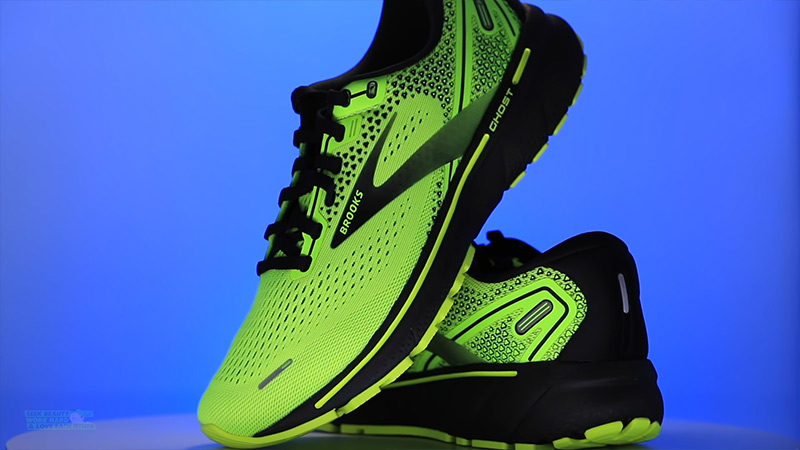
Finding the right pair of athletic shoes is more than a shopping trip; it is a critical investment in your physical health and performance.
For many athletes and fitness enthusiasts, the question of whether Brooks footwear runs small is the primary hurdle before making a purchase.
To ensure you achieve the best possible experience, this guide breaks down the nuances of Brooks sizing, the biomechanics of foot movement, and how to choose the correct size for your specific needs.
Do Brooks Shoes Run Small?
The short answer is yes. When compared to standard dress shoes or casual footwear, Brooks running and tennis shoes typically fit slightly short.
To account for this, the brand recommends that customers order their footwear one-half to one full size larger than their “true” casual or dress shoe size.
This discrepancy is not a manufacturing flaw; rather, it is a deliberate design choice intended to accommodate the physiological changes the human foot undergoes during repetitive motion and high-impact activities.
The Science of Sizing: Why You Should Size Up
1. Addressing Foot Expansion During Activity
The most critical reason for sizing up in Brooks footwear is foot expansion. When you engage in running, walking, or tennis, your heart rate increases, and blood flow to your extremities intensifies. This process, combined with the heat generated by friction and muscle use, causes your feet to swell.
If you wear a shoe that fits perfectly while sitting in a chair, that same shoe will likely become constricting thirty minutes into a workout.
By choosing a shoe that is a half-size larger, you provide your toes with the necessary room to move without hitting the front of the shoe. This “buffer zone” is essential for preventing common injuries such as:
- Subungual Hematomas (Black Toenails): Caused by the constant micro-trauma of the toe striking the shoe’s interior.
- Blisters: Often the result of friction in a shoe that has become too tight due to swelling.
- Nerve Compression: Tight footwear can lead to numbness or “pins and needles” sensations in the forefoot.
2. Brand Benchmarking: Brooks vs. The Competition
Understanding sizing often requires a frame of reference. Even within the athletic footwear industry, Brooks maintains a unique fit profile. Users often find that Brooks sneakers feel shorter than everyday athletic models from brands like Nike or Adidas.
While Nike and Adidas often lean toward a more snug, “glove-like” fit in their lifestyle and performance crossover models, Brooks prioritizes a structured, performance-first geometry. If you are transitioning from a Nike lifestyle sneaker to a Brooks Ghost or Adrenaline, do not be surprised if your usual size feels noticeably tighter at the front of the foot.
Analyzing the “Brooks Fit”: Length vs. Width
A common misconception is that a “small” shoe is only short in length. However, the volume of the shoe—including the width and the height of the toe box—drastically changes how “true to size” it feels.
The Toe Box Advantage
One of the distinguishing features of popular Brooks models, such as the Ghost or the Adrenaline, is their generous toe box. These specific models are engineered to run wider in the forefoot than many of their competitors.
This design provides significant benefits:
- Natural Toe Splay: Your toes need to spread out (splay) to provide balance and power during the “toe-off” phase of your stride.
- Side-to-Side Room: Even if you need to go up a half-size to get the correct length, the width of the Brooks platform ensures that your foot isn’t sliding laterally, which can cause instability.
By offering more room side-to-side, Brooks accommodates a wider variety of foot shapes, including those with bunions or wider metatarsal heads, without requiring the user to jump to a specific “Wide” (2E or D) width category in every instance.
Strategic Buying: How to Find Your Brooks Size
To ensure you are making a data-driven decision for your next purchase, follow this professional fitting checklist.
The Thumb’s Width Rule
When trying on your shoes, stand up straight. There should be approximately a half-inch to a full inch (roughly the width of your thumb) between your longest toe and the end of the shoe. This space is not “wasted” room; it is your insurance policy against the foot swelling mentioned earlier.
Account for Your Socks
Always try on Brooks shoes with the socks you intend to wear during your activity. Performance socks, particularly those with padding in the heel and toe, can take up a significant amount of volume within the shoe.
Trying on shoes with thin “no-show” liners when you plan to wear thick wool hiking or running socks will result in an inaccurate fit.
Time of Day Matters
Because feet swell throughout the day, the best time to measure your foot or try on new shoes is in the afternoon or evening. This ensures you are measuring your feet when they are at their largest, mimicking the conditions of a mid-workout foot.
Audience Personas: Who Needs Which Size?
To help categorize your needs, consider the following profiles:
- The Casual Walker: If you use Brooks for errands or light walks, a half-size up from your dress shoe is likely sufficient. Your feet will not swell as aggressively as a marathoner’s, but you still need comfort.
- The Long-Distance Runner: If you are training for a 10K, half-marathon, or full marathon, consider a full size up. The cumulative impact and time on your feet will lead to maximum expansion.
- The Court Athlete (Tennis/Pickleball): Lateral movement is key here. You need the extra length to prevent toe-jamming during sudden stops, but ensure the midfoot is locked in so you don’t slide inside the shoe.
Frequently Asked Questions (FAQ)
Q: Should I buy Brooks shoes in the same size as my Nike sneakers?
A: Not necessarily. Brooks sneakers typically feel shorter than Nike or Adidas. It is recommended to check your measurement against Brooks’ specific sizing chart, often resulting in a half-size increase over your Nike size.
Q: I have narrow feet; should I still size up?
A: Yes. Length and width are different metrics. Even a narrow foot will swell and shift forward during a run. You should still prioritize the extra length at the front to protect your toes, then look for “Narrow” width options (B for men, 2A for women) if the shoe feels too loose around the midfoot.
Q: Do all Brooks models fit the same?
A: Most follow the “runs short” rule, but certain models like the Ghost and Adrenaline offer a wider toe box, which may make them feel more spacious than more aerodynamic, “speed-focused” models.
Conclusion: Prioritizing Comfort Over the Label
In the world of high-performance footwear, the number on the box is secondary to the feeling on your foot.
Because Brooks shoes are engineered to support the foot during its most active states, they naturally require a different sizing logic than the shoes you wear to the office or a formal event.
By embracing the recommendation to size up by a half or full size, you are aligning your purchase with the brand’s expert design intent.
You are choosing to protect your feet from impact, accommodate natural swelling, and ensure that every mile you walk or run is supported by the legendary comfort Brooks is known for.