In the competitive landscape of professional football, the narrative of a player often begins with their origin story.
For the young midfielder Désiré Doué, this story is a sophisticated tapestry of dual heritage, technical brilliance, and the strategic navigation of international identity.
As he continues to rise through the ranks of elite sports, understanding the foundation of his background is essential for analysts, fans, and stakeholders alike.
This exploration details the specific elements of his nationality and how his multicultural roots define his journey on the global stage.
The French Foundation: A Career Born in Angers
The technical development of an elite athlete is frequently tied to the infrastructure of their birthplace. For Désiré Doué, this story begins in Angers, France.
Born in a city known for its rich history and sporting culture, Doué was immersed in a system designed to identify and nurture high-level talent from a young age.
Holding French citizenship from birth, he represents the pinnacle of the French footballing academy system.
This system, often cited as the gold standard for youth development, focuses not only on physical prowess but on tactical intelligence and technical versatility.
Being born in France allowed him access to top-tier coaching and competitive environments that have shaped him into the player he is today.
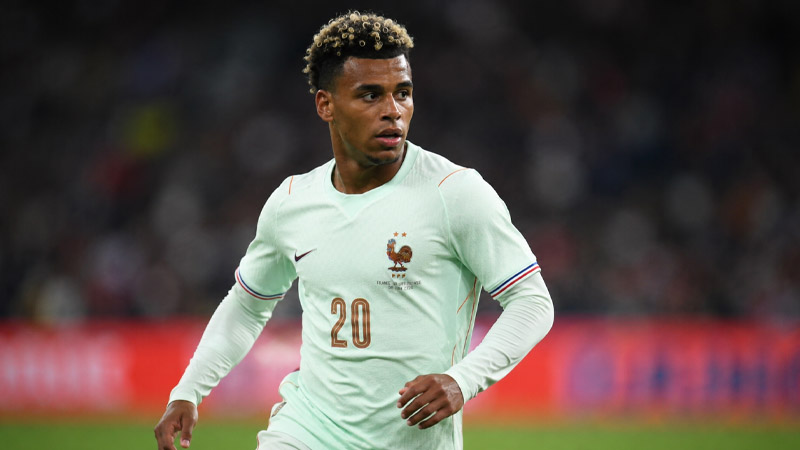
Furthermore, his commitment to his home nation is reflected in his professional choices. He currently represents the French national football team at the international level, signaling a deep integration into the sporting framework of the country.
This choice is significant, as it places him within a lineage of world-class athletes who have used the French platform to achieve global recognition.
The Ivorian Connection: Honoring Paternal Heritage
While his professional trajectory is firmly rooted in the French system, Doué’s identity is equally defined by his ancestral ties.
He possesses a dual nationality, being both French and Ivorian. This second pillar of his identity is inherited through his father, who is of Ivorian descent.
The Ivory Coast, or Côte d’Ivoire, has a storied history of producing some of the most influential players in football history. For Doué, this heritage represents more than just a passport; it is a cultural legacy that informs his perspective as a global citizen.
In the modern era, athletes with dual heritage often act as bridges between continents, bringing a unique blend of styles and psychological resilience to the pitch.
This paternal link lends depth to his public persona. In an industry that increasingly values authenticity and personal narrative, Doué’s Ivorian roots offer a compelling story of connection to the African continent.
Even as he wears the blue of France, the influence of his Ivorian heritage remains a fundamental component of his character and background.
The Strategic Value of Dual Nationality in Professional Sports
In the contemporary sporting world, dual nationality is a strategic asset. For a player like Doué, holding both French and Ivorian nationality provides a level of flexibility and cultural fluency that is highly prized by international clubs.
- Global Marketability: Athletes who can resonate with multiple fan bases—in this case, both European and African—possess a unique marketability. They become symbols of a globalized world where talent transcends borders.
- Cultural Intelligence: Navigating two different national identities often results in a higher degree of adaptability. This “cultural intelligence” is a soft skill that allows players to integrate more seamlessly into diverse dressing rooms and international leagues.
- The “Global Player” Archetype: Doué fits the mold of the modern, multicultural athlete. He is someone who is technically trained in Europe but remains deeply connected to a broader heritage, offering a rich, multifaceted identity that appeals to a wide range of stakeholders.
Navigating International Allegiance
The decision of which nation to represent on the international stage is one of the most critical turning points in a young player’s career.
By choosing to represent the French national football team, Doué has aligned himself with one of the most successful footballing programs in recent history.
However, the beauty of dual nationality lies in the recognition of both parts of the whole. While his professional allegiance is to France, his status as a person of Ivorian descent is never obscured.
This duality is common among many elite French players, creating a national team that is a reflection of a modern, diverse France. This diversity is often credited as a major factor in the team’s resilience and varied tactical approach on the field.
Enhanced FAQ: Understanding Désiré Doué’s Background
Where was Désiré Doué born?
Désiré Doué was born in Angers, France, which is the foundational site of his early life and career.
What is the nationality of Désiré Doué?
He holds dual nationality, possessing both French and Ivorian citizenship.
What is his heritage?
He is of Ivorian descent through his father, while also being a French national by birth.
Which international team does he play for?
He currently represents the French national football team at the international level.
Does his dual nationality affect his club career?
In professional football, dual nationality—especially involving an EU nation like France—is often beneficial for registration purposes in various European leagues, though his primary professional identity is established through his French upbringing.
Conclusion: A Legacy in the Making
Désiré Doué represents the future of professional sports—a future where identity is not binary, but a rich blend of different cultures and nations.
By balancing his French citizenship with his Ivorian heritage, he embodies a modern excellence that is as much about his roots as it is about his technical skill.
As he continues to develop and make his mark on the international stage, his dual nationality will remain a core part of his story.
He is a son of Angers and a descendant of the Ivory Coast, a combination that provides him with a unique perspective and a powerful platform.
For those following his career, understanding this dual identity is key to appreciating the man behind the athlete.