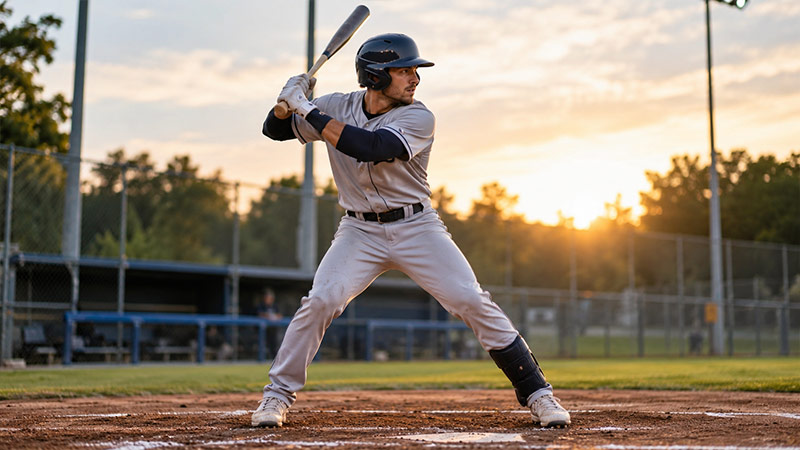
Professional and organized baseball operates within a complex, multi-tiered international matrix. While casual observers often view the sport through the single lens of Major League Baseball in North America, the reality is a multi-billion-dollar global infrastructure spanning dozens of countries, hundreds of leagues, and thousands of professional franchises.
Understanding this landscape requires examining how talent flows, contracts are structured, and competitive parity is maintained across varied operational models.
From top-tier major leagues boasting multibillion-dollar media rights deals to unaffiliated independent circuits acting as testing grounds for modern rule changes, every layer of the sport fulfills a distinct economic and athletic role.
This comprehensive guide breaks down the 10 distinct types of baseball leagues, analyzing their talent density, financial frameworks, regulatory rules, and strategic positions within the broader global game.
1: Premier Major Leagues (Major League Baseball)
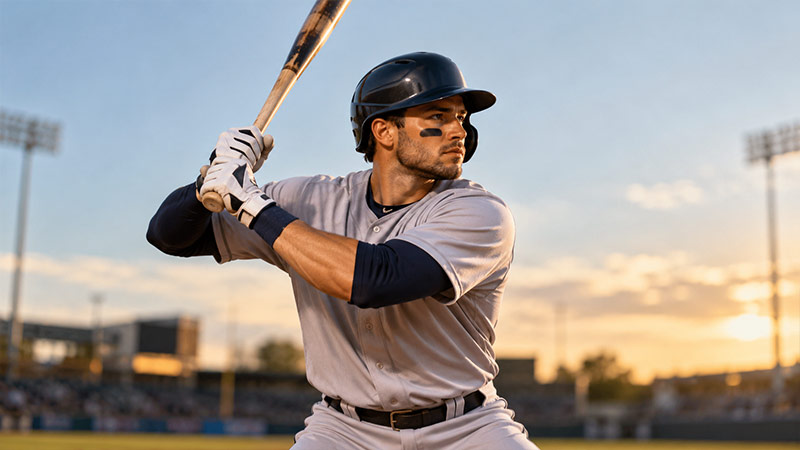
At the absolute summit of the global baseball pyramid stands Major League Baseball (MLB). Representing 30 franchises across the United States and Canada, MLB controls the vast majority of global baseball revenue, media valuations, and elite athletic talent.
Key Structural Characteristics
- Talent Density: Unmatched. MLB gathers the top fraction of one percent of baseball players worldwide, drawing heavily from domestic draft picks, Latin American international signees, and posted stars from Asian circuits.
- Economic Framework: Franchises operate under sophisticated revenue-sharing agreements, luxury tax thresholds (Competitive Balance Tax), and national broadcasting deals valued in the billions. Player compensation averages several million dollars annually, with upper-echelon contracts exceeding $30 million per year.
- Regulatory Rules: Governed by a collective bargaining agreement between league owners and the MLB Players Association (MLBPA). Features strict roster rules, a 26-man active roster, and advanced technological integrations including automated ball-strike systems and pitch timers.
MLB functions as the economic engine and cultural benchmark for the entire sport, dictating global equipment standards, analytical trends, and commercial strategies.
2: Apex Foreign Professional Leagues (Nippon Professional Baseball)

Directly below MLB in overall quality—often evaluated by talent evaluators as “Quadruple-A” caliber—is Nippon Professional Baseball (NPB) in Japan. Established in 1938, NPB represents the highest standard of baseball played outside North America.
Key Structural Characteristics
- Talent Density: Characterized by exceptional fundamental skill, precision pitching, disciplined contact hitting, and elite defensive play. NPB produces world-class superstars capable of immediate transition to MLB top-of-the-rotation pitching or middle-of-the-order hitting.
- Economic Framework: Comprising 12 corporate-owned franchises split into the Central League and Pacific League. While payrolls do not match MLB mega-contracts, star domestic players command multi-million-dollar salaries rivaling solid MLB veteran deals.
- Regulatory Rules: Enforces strict limits on foreign roster spots (typically allowing four active foreign players on the top-team game roster). NPB games feature a unique 12-inning tie rule during the regular season, reflecting distinct cultural and operational preferences.
NPB stands as a fully independent, highly profitable domestic sport system that commands massive media viewership and stadium attendance across Japan.
3: Secondary International Professional Leagues (KBO & CPBL)
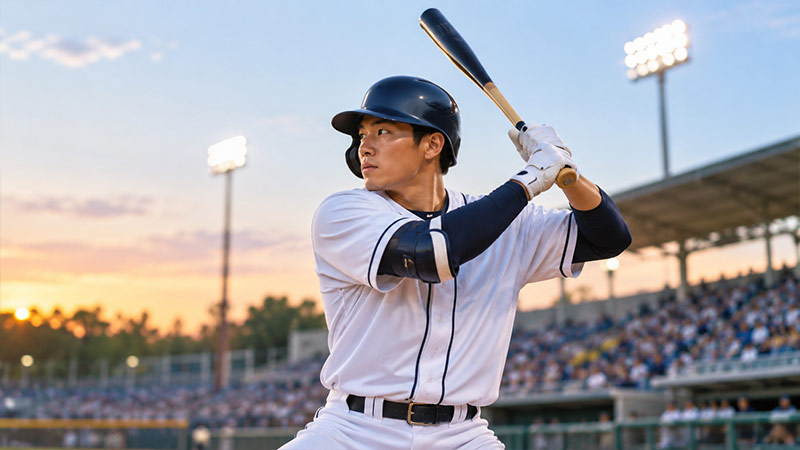
Asian baseball features two additional major professional circuits: the Korea Baseball Organization (KBO League) in South Korea and the Chinese Professional Baseball League (CPBL) in Taiwan.
Key Structural Characteristics
- Competitive Equivalence: The KBO is generally rated between High-A and Triple-A in talent depth, leaning heavily toward high-scoring offensive output and dynamic athletic play. The CPBL operates closer to Double-A talent levels, featuring highly technical, contact-oriented play.
- Foreign Player Quotas: To preserve domestic development while maintaining competitive balance, KBO teams are restricted to signing three foreign players (typically two starting pitchers and one position player). CPBL teams maintain similar caps.
- Economic & Cultural Impact: Both leagues feature high-energy stadium environments, extensive corporate sponsorship models, and passionate fan cultures. They serve as critical destinations for former MLB players seeking career resurgence and for homegrown stars eyeing overseas transfers.
4: Affiliated Minor League Baseball (MiLB Development Framework)

Minor League Baseball (MiLB) operates as the official player development pipeline for Major League Baseball. Rather than operating as standalone competitive entities, MiLB clubs are directly affiliated with parent MLB organizations.
Hierarchical Tiers within Affiliated Baseball
- Triple-A (AAA): The highest minor league level (International League and Pacific Coast League). Rosters consist of top-tier prospects awaiting call-ups and experienced MLB depth players.
- Double-A (AA): Widely considered by talent scouts as the true testing ground for elite prospects, where raw athletic potential meets refined pitching and tactical adjustments.
- High-A & Single-A: Lower developmental levels where newly drafted collegiate players and international signees adapt to professional schedules, physical conditioning, and advanced coaching.
- Complex Tiers (Rookie Leagues): Florida Complex League and Arizona Complex League, serving as entry points for high school draftees and international prospects transition from Latin American academies.
MiLB underwent a massive structural streamlining under MLB’s 2021 reorganization, capping the system at 120 primary affiliated clubs to optimize travel logistics, facility quality, and player compensation models.
5: Independent Unaffiliated Professional Leagues

Unlike MiLB, Independent Baseball Leagues operate with complete financial and operational autonomy from Major League Baseball. They cater to veteran players seeking a path back to affiliated ball, undrafted collegiate talent, and late-blooming athletes.
Premier Independent Circuits
- The Atlantic League of Professional Baseball: Designated as an official Partner League of MLB, frequently serving as a real-world testing ground for experimental rules (such as larger bases, artificial intelligence strike zones, and pitching distance adjustments).
- The American Association & Frontier League: Expansive regional circuits spanning the US Midwest and Northeast, providing high-quality professional baseball to markets without MLB or MiLB representation.
Economic Reality
Independent leagues operate on lean financial frameworks. Player salaries are modest, but the independence allows clubs to sign talent freely without MLB approval, offering players direct visibility to scouts searching for mid-season organizational depth.
6: Winter and Off-Season Caribbean Leagues
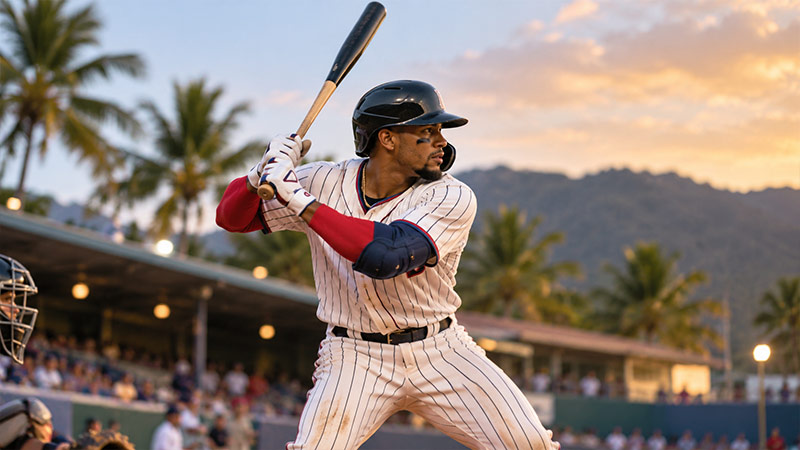
Operating during the North American off-season (October through February), Caribbean Winter Leagues offer intense, high-stakes professional baseball across Latin America.
Primary Winter Circuits
- LIDOM (Dominican Republic Professional Baseball League): Renowned for elite talent density, featuring active MLB stars, top MiLB prospects, and Latin American veterans competing in high-pressure atmospheres.
- LVBP (Venezuelan Professional Baseball League) & LBPRC (Puerto Rico): Historical winter circuits with rich competitive traditions.
- LMP (Mexican Pacific League): A premier winter league operating in northwestern Mexico, renowned for modern infrastructure and strong commercial backing.
Strategic Importance: The Caribbean Series
The champions of these winter leagues meet annually in the Caribbean Series (Serie del Caribe), a tournament representing the ultimate regional crown.
These leagues allow young players to refine skills under playoff-intensity conditions while providing local communities with elite professional sports entertainment.
7: Summer Collegiate Wood-Bat Leagues
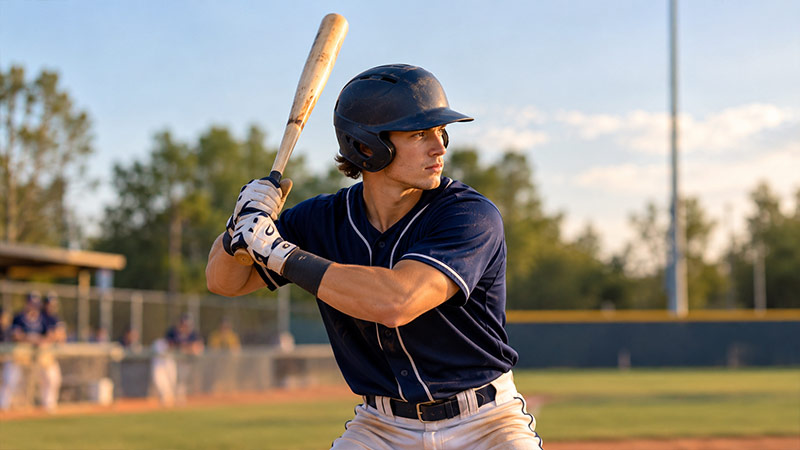
Summer Collegiate Leagues cater exclusively to active amateur student-athletes participating in NCAA or NAIA college programs during their summer off-season.
Notable Collegiate Circuits
- Cape Cod Baseball League (CCBL): The undisputed flagship summer circuit, drawing the premier college players in North America. Because players switch from NCAA metal bats to wood bats, dozens of future first-round MLB draft picks are evaluated here by major league scouting directors each summer.
- Northwoods League & Appalachian League: Expansive networks offering college players a rigorous, professional-style 60-to-70-game summer schedule across midwestern and eastern markets.
Compliance & Status
To preserve players’ NCAA eligibility, athletes are not paid salaries. Host families provide housing and meals, while local communities enjoy high-level summer sports entertainment.
8: Regional Summer & International Affiliated Partner Leagues
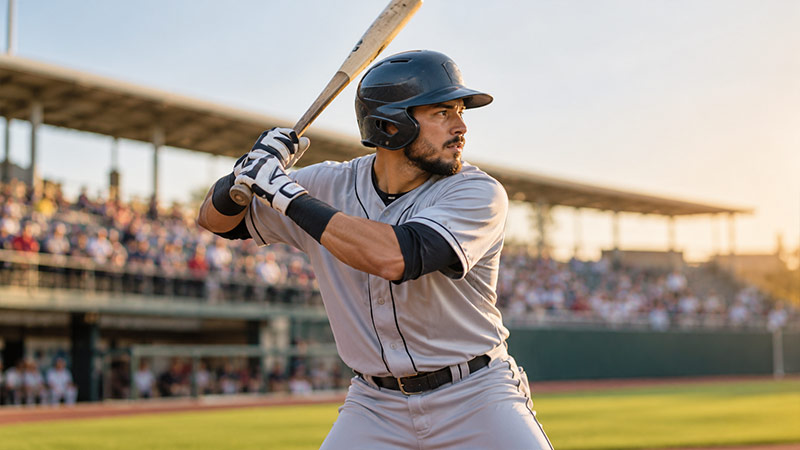
Certain domestic leagues occupy a hybrid space between independent circuits and elite international leagues. The most prominent example is Liga Mexicana de Béisbol (LMB / Mexican Baseball League).
Structural Dynamics of LMB
- Operating Calendar: Operates as a summer league parallel to MLB and MiLB schedules.
- Classification Level: Historically rated as AAA-equivalent in skill, featuring experienced international talent, former MLB major leaguers, and top Mexican domestic athletes.
- Partner Status: Officially recognized as an MLB Partner League, LMB clubs maintain independence while maintaining professional agreements regarding contract transfers and player mobility.
Regional leagues like the LMB fill critical market demands, anchoring baseball fandom in regions with deep cultural attachment to the sport.
9: Adult Amateur & Semi-Professional Senior Leagues
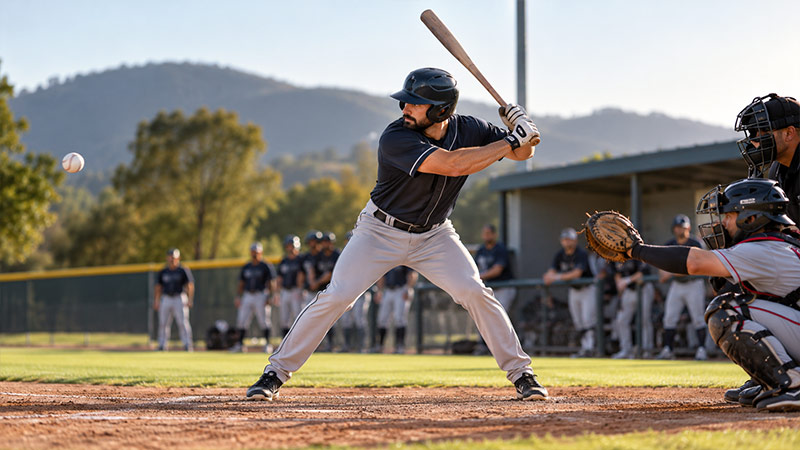
Beyond the fully paid professional ranks lies a vast global network of Semi-Professional and Adult Amateur Leagues.
These organizations cater to former collegiate athletes, ex-professionals, and high-level amateur players balancing baseball careers with traditional employment.
Prominent Organizations
- National Adult Baseball Association (NABA) & Men’s Senior Baseball League (MSBL): Highly organized North American structures featuring regional divisions, age-bracketed national tournaments, and wood-bat competitions.
- European Club Championships: Domestic leagues across Germany, Italy, the Netherlands, and the Czech Republic, where top amateur and semi-professional clubs compete for regional titles and entry into European Baseball Confederation competitions.
While non-salaried or operating under modest stipends, these leagues maintain high athletic standards and preserve baseball engagement across adult demographics globally.
10: Interscholastic, Collegiate, and Youth Developmental Systems

The foundation supporting all professional structures is the vast Youth, High School, and Collegiate System. Without this structured grassroots pipeline, professional leagues could not sustain their talent requirements.
Primary Grassroots Stages
- Collegiate Systems (NCAA, NAIA, NJCAA): Highly sophisticated athletic programs offering university scholarships, state-of-the-art training facilities, and national television exposure (e.g., the College World Series). NCAA Division I baseball functions as a primary feeder system for the MLB First-Year Player Draft.
- Interscholastic High School Baseball: Governed by state athletic associations, showcasing elite teenage prospects to college recruiters and professional scouts.
- Youth & International Academies: From Little League International to MLB-funded academies in the Dominican Republic and Europe, early youth development focuses on fundamental mechanics, athletic conditioning, and international talent cultivation.