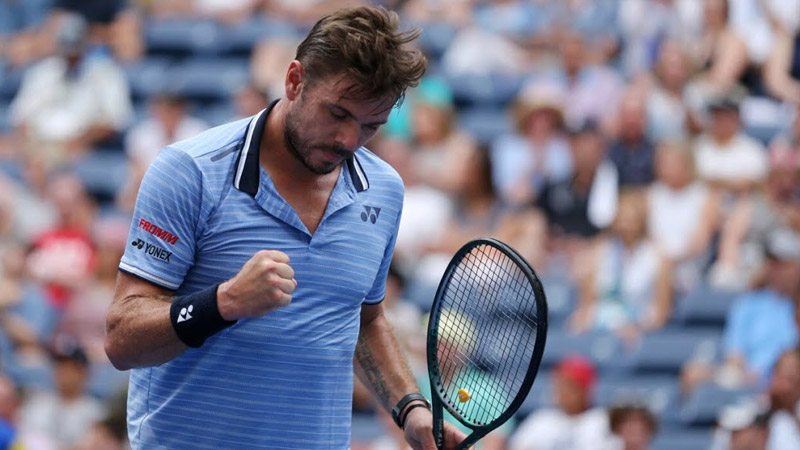
Stan Wawrinka is still an active professional, but he is currently navigating his official farewell season, which explains his sporadic tournament appearances.
At 41 years old, the three-time Grand Slam champion is ranked outside the ATP Top 100, meaning he no longer qualifies directly for major tournament draws.
Instead, he relies on wildcards to enter events, which can lead fans to wonder why he is missing from certain brackets. Wawrinka has confirmed he will permanently retire in October 2026 at the Swiss Indoors Basel, concluding a legendary career defined by elite resilience.
Why is Stan Wawrinka Not Playing in Every Major Tournament?
Many fans notice Wawrinka’s absence from high-profile draws and assume he has already stepped away or is sidelined by a new injury.
However, the reality of his current status is tied more to the logistical hurdles of his ranking and his age-related scheduling rather than a sudden withdrawal from the sport.
The Impact of ATP Ranking and Wildcard Entry
Because Wawrinka’s ranking has fluctuated outside the top 100, he lacks the “Direct Entry” status required for automatic placement in Masters 1000 and Grand Slam main draws.
To compete in these prestigious events, he must either play through qualifying rounds—an exhausting prospect for a 41-year-old veteran—or receive a wildcard from tournament organizers.
While his status as a former champion often earns him these invitations, they are not guaranteed, which creates gaps in his competitive calendar that make it appear as though he is not playing.
A Strategic Approach to the Farewell Tour
Wawrinka is not treating his final years as a mere exhibition circuit; he remains a fierce competitor who carefully selects events where he can still perform at a high level.
He is focusing on tournaments that hold sentimental value, such as the Swiss Open Gstaad, where his professional journey began over two decades ago.
By being selective, he ensures he can go out on his own terms without the “wrong note” of a forced exit due to over-exhaustion.
Understanding Wawrinka’s Long History of Medical Absences
To understand why Wawrinka’s current schedule is so scrutinized, one must look at the massive physical hurdles he has overcome. Throughout his career, major surgeries on his left knee and left foot have sidelined him for nearly 18 months in total.
These periods of “not playing” were not choices but requirements for survival on the professional tour.
| Timeframe | Primary Injury | Surgeries | Exact Duration | Key Grand Slams Missed |
|---|---|---|---|---|
| July 2017 – Jan 2018 | Left Knee Cartilage | 2 | 6 Months | 2017 US Open |
| Feb 2018 – May 2018 | Left Knee Side-Pain | 0 (Rehab) | 3 Months | None (Returned for French Open) |
| Mar 2021 – Mar 2022 | Left Foot Tendon | 2 | 13 Months | 2021 Roland Garros, Wimbledon, US Open, & 2022 Australian Open |
The Physical Toll: Analyzing Wawrinka’s Major Surgeries
The reason Wawrinka is now approaching his “final chapter” is largely due to the immense physical cost of maintaining a top-tier game after four major operations.
His career-threatening injuries required more than just rest; they demanded grueling rehabilitations that would have ended the careers of lesser athletes.
The Battle of the Left Knee (2017)
In 2017, following a deep run at Roland Garros, Wawrinka’s left knee joint suffered severe cartilage damage. This required two separate surgeries in August of that year, leading to a six-month hiatus from the ATP tour.
The recovery process was particularly brutal, as the Swiss star spent four months unable to walk properly. He had to rebuild basic motor functions under the guidance of fitness coach Pierre Paganini before he could even consider picking up a racket again in December 2017.
The Devastating Left Foot Achilles Injury (2021)
The longest absence of his career began in March 2021 due to a chronic and worsening structural injury in his left foot.
This Achilles and tendon-related issue required an initial surgery in March, followed by a second corrective surgery in June 2021 because the early healing process had failed.
This 13-month gap was so severe that Wawrinka could not walk unassisted as late as December 2021, leading him to publicly contemplate retirement before finally rebuilding his running mechanics in 2022.
When Will Stan Wawrinka Retire from Professional Tennis?
The question of Wawrinka’s future has a definitive answer. He has structured a multi-year exit plan to ensure he says goodbye to every major region that supported his rise to the top of the game.
The 2026 Final Chapter Timeline
Wawrinka has officially announced that 2026 will be his 25th and final season as a professional tennis player.
He has noted that after years of physical battles, including the aforementioned knee and foot operations, maintaining the necessary elite level has become too taxing.
He wants to retire while he still feels good enough to compete, ensuring his legacy remains intact rather than fading away through injury-forced withdrawals.
The Grand Finale at Swiss Indoors Basel
His professional journey is scheduled to reach its conclusion in October 2026. Fittingly, he has chosen his home tournament, the Swiss Indoors Basel, as the site for his final match.
This decision allows him to hang up his racket in front of a home crowd, closing a circle that began in Switzerland more than twenty years ago. Until that date, he will continue to compete in clay and hard-court events, such as the ATP Estoril and various European stops.
Wawrinka’s 2026 Schedule and Recent Farewell Appearances
As Wawrinka moves through his sunset season, his presence at the biggest tournaments is already winding down. Fans who are looking for him in the 2026 Grand Slam draws will find that he has already begun his emotional exits from the sport’s biggest stages.
Emotional Farewells at the Grand Slams
Earlier this year, Wawrinka completed his final appearances at the Australian Open, Roland Garros, and Wimbledon.
These matches served as highly public tributes, where tournament organizers and fans honored his three Grand Slam titles and his legendary one-handed backhand.
These emotional goodbyes mark the end of his “Major” career, even as he continues to play smaller ATP events to stay match-fit for his final send-off in Basel.
Active Competition in the Final Months
Despite the retirement talk, Wawrinka remains a “fierce competitor” in the events he does enter. He recently played an emotional final career match at the Swiss Open Gstaad and has traveled to Portugal to compete at the ATP Estoril.
His schedule is designed to keep him active on the tour while managing his physical limitations, allowing him to remain competitive against younger opponents like Roman Andres Burruchaga.
Frequently Asked Questions About Stan Wawrinka’s Status
Will Stan Wawrinka Become a Coach After Retirement?
Many former champions transition into coaching roles, but Wawrinka has been explicit about his post-retirement plans. He has stated that he does not plan to transition into coaching on the ATP Tour once he steps away from professional play.
His focus appears to be on finishing his career as a player and then exploring life outside the constant travel of the circuit.
Why is 2026 the Chosen Year for Retirement?
Wawrinka’s decision to retire in 2026 is a balance between physical capability and personal desire. After undergoing four major surgeries, the daily grind of training and recovery is significantly more difficult at age 41 than it was in his prime.
By setting a 2026 deadline, he gives himself a clear “final chapter” to enjoy the sport without the pressure of maintaining a top-10 ranking, while still being able to compete at a level that respects his history as a three-time Major winner.
Conclusion: The Legacy of Resilience
Stan Wawrinka’s occasional absences from the tour today are not a sign of a player who has given up, but rather a player who has survived more physical trauma than almost any other contemporary legend.
From the six-month knee recovery in 2017 to the 13-month foot rehabilitation in 2021, Wawrinka’s career has been a testament to “Iron Stan’s” refusal to quit.
As he approaches his final matches in Basel in 2026, the tennis world is witnessing the deliberate, graceful exit of a powerhouse.
Whether he is playing via a wildcard or fighting through a local ATP draw, Wawrinka’s presence remains a reminder of an era where grit and a thunderous backhand could challenge the greatest of all time.
Fans should cherish the remaining opportunities to see him on court before the 2026 season officially brings the curtain down on one of the most resilient careers in tennis history.