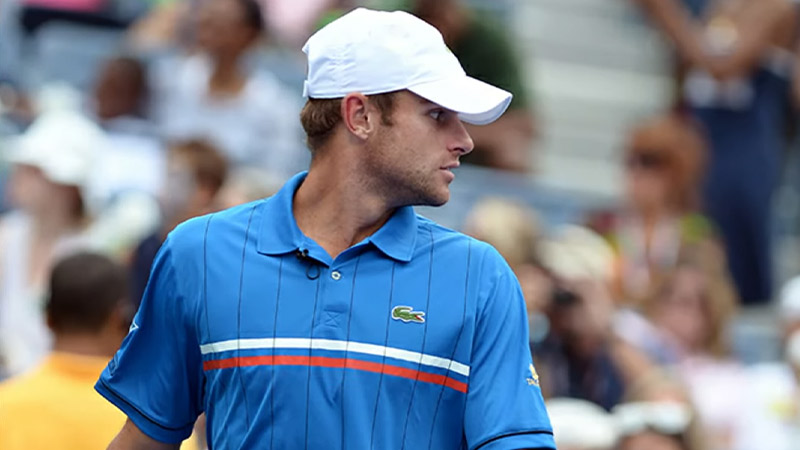
Andy Roddick, a former professional tennis player known for his powerful serves and competitive spirit, retired from the sport following the 2012 US Open. His retirement surprised many fans and tennis enthusiasts who admired his skills and contributions to the game.
We delve into the reasons behind Andy Roddick’s decision to retire from professional tennis and explore the factors that influenced his choice.
From his dedication to philanthropy and his physical challenges to his accomplished career and desire for new horizons, we unravel the motivations that led Roddick to bid farewell to professional tennis and embark on a new chapter in his life.
By understanding his retirement decision, we can gain insights into the multifaceted nature of an athlete’s career and the complexities that shape their choices beyond the court.
Andy Roddick Foundation
The Andy Roddick Foundation
The Andy Roddick Foundation is a charitable organization established by Andy Roddick in 2000. Inspired by his own experiences and a desire to make a positive impact.
Roddick founded the foundation with the aim of improving educational and economic opportunities for underserved children.
The foundation’s work extends to various communities, providing support and resources to empower young individuals and help them reach their full potential.
Andy Roddick Foundation’s Mission and Goals
At the core of the Andy Roddick Foundation’s mission is the belief that every child deserves a fair chance in life, regardless of their background or circumstances.
The foundation strives to create opportunities through education, focusing on three key pillars: enhancing educational outcomes, expanding extracurricular opportunities, and enriching social-emotional development.
By addressing these areas, the foundation aims to break barriers and create a brighter future for disadvantaged children.
Roddick’s Desire to Dedicate More Time and Energy to the Foundation
As Roddick’s tennis career progressed, he recognized the influence and impact he could have off the court. The Andy Roddick Foundation became a passion project for him, igniting his desire to contribute to society in a meaningful way.
With the foundation’s growing scope and impact, Roddick felt a deepening commitment to its mission and saw an opportunity to make a lasting difference in the lives of underserved children.
How Retiring From Tennis Allowed Him to Focus on Philanthropic Endeavors
Retiring from professional tennis provided Roddick with the freedom to redirect his time and energy toward the Andy Roddick Foundation.
The demanding nature of the tennis circuit, with its rigorous training, travel, and competition, limited his ability to fully engage with the foundation’s activities.
By stepping away from the sport, Roddick could devote himself more fully to the foundation’s initiatives, strategic planning, and fundraising efforts.
This allowed him to maximize the impact of the foundation and create sustainable change in the lives of the children it serves.
By prioritizing philanthropy and leveraging his platform and resources, Andy Roddick’s retirement from tennis became an opportunity to create a lasting legacy beyond the confines of the tennis court.
Through the Andy Roddick Foundation, he continues to make a difference and inspire others to use their influence for the betterment of society.
Physical Challenges and Injuries
Roddick’s Injury History Throughout His Tennis Career
Andy Roddick’s tennis career was not without its share of physical challenges and injuries. Over the years, he faced various setbacks that tested his resilience and impacted his performance on the court.
From minor strains to more serious injuries, Roddick had to contend with the physical toll that comes with the demanding nature of professional tennis.
Chronic knee problems and their impact on his performance
One of the most significant physical issues Roddick faced was chronic knee problems. These persistent knee injuries not only caused him discomfort and pain but also hampered his ability to move freely and execute his powerful shots with the same intensity.
Knee injuries can severely limit a player’s mobility and explosiveness, which are crucial aspects of the game, particularly for someone like Roddick, known for his aggressive playing style.
Other Physical Issues That Contributed to His Decision to Retire
While knee problems were a prominent factor, Roddick also dealt with other physical issues that influenced his decision to retire.
Tennis is a physically demanding sport, and the wear and tear on the body over years of professional play can take its toll.
Muscular strains, back issues, and general weariness from the demands of training and competition likely played a role in Roddick’s consideration of his long-term physical well-being.
Prioritizing Long-Term Health and Well-Being
Retiring from professional tennis allowed Roddick to prioritize his long-term health and well-being. It’s essential for athletes to consider the potential impact of continuing to play through injuries and pushing their bodies to the limit.
By stepping away from the professional circuit, Roddick could focus on rehabilitating his injuries, giving his body time to heal, and ensuring that he could maintain a good quality of life beyond his tennis career.
Ultimately, the physical challenges and injuries Roddick faced were significant factors in his decision to retire.
By prioritizing his long-term health and well-being, he made a thoughtful choice to preserve his body and ensure a fulfilling post-tennis life.
Accomplishments and Fulfillment
Highlighting Roddick’s Significant Achievements in Tennis
Andy Roddick’s tennis career was marked by numerous notable achievements. He was a formidable presence on the court and achieved remarkable success at the highest level of the sport.
It is important to acknowledge his accomplishments to understand the context in which he made the decision to retire.
Winning the 2003 Us Open and Reaching the World No. 1 Ranking
One of Roddick’s most significant career milestones was winning the 2003 US Open, his first and only Grand Slam title. This victory solidified his status as one of the elite players in the game.
Additionally, Roddick reached the pinnacle of the ATP rankings, becoming the World No. 1 player in 2003. These achievements showcased his talent, hard work, and dedication to the sport.
Potential Sense of Fulfillment and Satisfaction With His Career
Having achieved such notable successes in tennis, it is plausible to assume that Roddick experienced a sense of fulfillment and satisfaction with his career.
Reaching the pinnacle of the sport, winning prestigious tournaments, and leaving a lasting impact on the tennis world can bring a profound sense of accomplishment.
This fulfillment may have contributed to Roddick’s decision to retire on a high note, feeling content with his contributions to the sport.
New Challenges and Opportunities Outside of Tennis
After dedicating over a decade to professional tennis and achieving significant milestones, it is natural for athletes like Roddick to contemplate new challenges and opportunities beyond their current field.
Retirement provides an opportunity for personal growth and exploration, allowing athletes to channel their energy and passion into different endeavors.
Roddick’s decision to retire may have been influenced by a desire to explore new paths, pursue different interests, or contribute to society in alternative ways.
By recognizing Roddick’s accomplishments, understanding the sense of fulfillment he may have experienced, and acknowledging his desire for new challenges, we gain insights into the multifaceted nature of an athlete’s career.
Retirement can mark the beginning of an exciting new chapter, offering opportunities for personal growth and the pursuit of passions outside the realm of competitive sports.
Post-Retirement Activities
Roddick’s Participation in Exhibition Matches and Special Events
After retiring from professional tennis, Andy Roddick continued to engage with the sport through various exhibition matches and special events.
These opportunities allowed him to showcase his skills and entertain fans while also supporting charitable causes or promoting the sport of tennis.
Playing for the Austin Aces in World Team Tennis
In 2015, Roddick joined the Austin Aces in World Team Tennis, a professional team tennis league. Representing his hometown of Austin, Texas, Roddick competed alongside other tennis stars, contributing to the team’s success and entertaining audiences with his formidable playing style.
Titles won in the QQQ Champions Series
Andy Roddick also participated in the QQQ Champions Series, a tennis circuit for retired professionals. In this series, Roddick competed against other former top players and enjoyed success by winning titles in both 2015 and 2017.
These victories demonstrated his enduring skills and competitiveness even after retiring from the professional tour.
Staying connected to the sport while pursuing other interests
While actively participating in exhibition matches and special events, Roddick maintained a connection to the world of tennis.
Whether it be commentating on matches, sharing insights as a tennis analyst, or engaging with fans through social media, Roddick continued to contribute to the sport’s ecosystem.
This allowed him to remain involved and influential within the tennis community while pursuing other interests and endeavors outside the sport.
By participating in exhibition matches, playing for the Austin Aces, winning titles in the QQQ Champions Series, and staying connected to tennis through various avenues, Andy Roddick demonstrated his ongoing passion for the sport and his desire to continue engaging with it on his own terms.
These post-retirement activities allowed him to both entertain fans and maintain a connection to the sport that had been such a significant part of his life.
Factors Influencing Andy Roddick’s Retirement Decision
| Factors | Description |
|---|---|
| Philanthropic Commitment | Andy Roddick’s desire to dedicate more time and energy to the Andy Roddick Foundation and its mission. |
| Physical Challenges and Injuries | Chronic knee problems and other physical issues impacting Roddick’s performance and long-term health considerations. |
| Sense of Accomplishment | Significant career achievements, such as winning the 2003 US Open and reaching the World No. 1 ranking in tennis. |
| Desire for New Challenges | Exploring new opportunities and personal growth outside of tennis, seeking fulfillment in different endeavors. |
| Time and Energy Constraints | The demanding nature of professional tennis limiting Roddick’s ability to fully engage with other interests and pursuits. |
FAQs
Was Andy Roddick’s retirement a sudden decision?
No, Andy Roddick’s retirement was not a sudden decision. While the announcement of his retirement came shortly after the 2012 US Open, it was a result of careful consideration and deliberation. Roddick had been contemplating retirement for some time, taking into account various factors such as his philanthropic pursuits, physical challenges, and personal aspirations.
Did Andy Roddick consider a comeback after retiring?
Although Andy Roddick participated in exhibition matches and special events after retiring, there were no indications of a serious consideration for a professional comeback. His focus shifted towards his foundation, post-tennis endeavors, and staying connected to the sport in other ways, rather than pursuing a return to the competitive circuit.
Did Andy Roddick have any regrets about retiring?
Andy Roddick has not publicly expressed any regrets about retiring from professional tennis. While every athlete’s journey is unique, Roddick’s retirement decision seemed to align with his personal and professional aspirations, allowing him to pursue philanthropy, prioritize his health, and explore new challenges. He has continued to make positive contributions in his post-retirement activities.
Did Andy Roddick’s retirement affect his legacy in tennis?
Andy Roddick’s retirement did not diminish his legacy in tennis. His career achievements, including winning a Grand Slam title, reaching the World No. 1 ranking, and his powerful playing style, solidified his place as one of the notable players of his era. Furthermore, his dedication to philanthropy and continued involvement in the sport through various avenues have further enhanced his standing and impact within the tennis community.
How has Andy Roddick’s retirement influenced the next generation of players?
While it is challenging to determine the exact influence of Andy Roddick’s retirement on the next generation of players, his career and post-retirement endeavors have served as an inspiration for many.
His success on and off the court showcases the importance of perseverance, philanthropy, and finding fulfillment beyond athletic achievements. Roddick’s commitment to making a positive impact has set an example for aspiring athletes to consider their broader impact on society and the opportunities available to them beyond their playing careers.
Conclusion
Andy Roddick’s retirement from professional tennis encompassed a range of personal and professional factors. By stepping away from the sport, he could focus on his charitable foundation, the Andy Roddick Foundation, and make a lasting impact on the lives of underprivileged children.
Additionally, physical challenges and injuries played a role in his decision, as he prioritized his long-term health and well-being. Despite retiring, Roddick maintained a connection to tennis through various activities, such as exhibition matches and commentary, allowing him to continue engaging with the sport he loves.
His retirement serves as a testament to the multifaceted nature of an athlete’s career, showcasing the importance of pursuing new challenges, contributing to society, and leaving a lasting legacy beyond the playing field.