
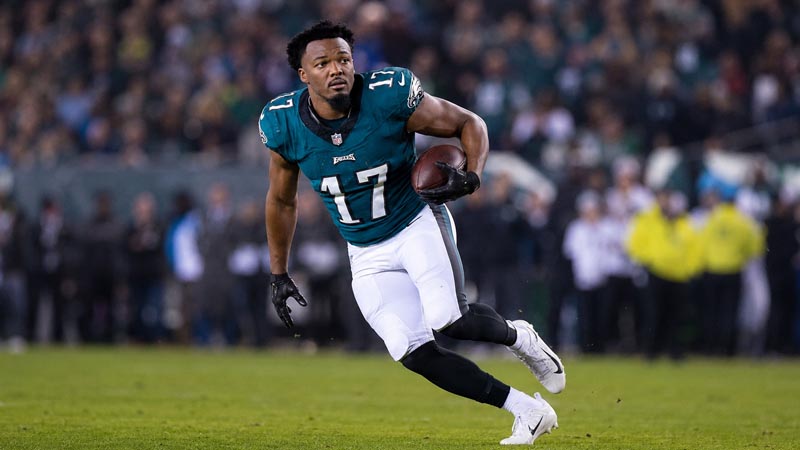
The draft process is often a complex calculation of film tape, physical measurements, and medical risk. When Nakobe Dean fell to the third round of the 2022 NFL Draft, it became one of the most discussed slides of the weekend.
While on-field performance suggested a much higher draft stock, a combination of medical choices, physical evaluations, and missing metrics altered his trajectory. Below, we analyze the exact factors that influenced his draft position.
The Primary Factors Behind the Slide
The decision-making process of professional franchises is heavily risk-averse. For a high-profile prospect, even minor concerns can multiply as draft night approaches. Your documents highlight three main categories that drove his slide:
- The Pre-Draft Medical Concern: A physical setback during his training period created immediate questions for franchise medical staffs.
- Physical Prototypes: Traditional scouting methodologies placed significant weight on his physical dimensions.
- The Lack of Testing Data: Choosing not to participate in physical testing drills shifted the evaluation focus away from his film.
Analyzing the Draft Hurdles
| Evaluation Category | The Scouting Report Concern | The Reality & Decision |
|---|---|---|
| Medical Status | Concern over a pectoral strain suffered during pre-draft training. | Chose to decline surgical repair after gathering professional medical opinions. |
| Physical Stature | Scouts flagged a smaller stature for an inside linebacker. | Questions arose regarding how well he would hold up against professional blockers. |
| Athletic Testing | Opted out of physical testing drills at the NFL Combine. | Evaluators overly scrutinized his overall athletic traits despite outstanding college tape. |
1. The Pectoral Injury and the Surgical Decision
The most significant catalyst for his slide was a pectoral strain sustained while training before the draft.
- The Injury: A pectoral strain is a sensitive injury for front offices, especially for a linebacker whose position requires constant physical engagement.
- The Decision: After gathering multiple medical opinions, he chose not to undergo surgery.
- The Reaction: This decision caused late-draft alarm among several franchise executives. Without a surgical fix, teams had to evaluate the immediate risk of further injury or long-term recovery timelines.
2. The Physical Stature Challenge
NFL front offices often rely heavily on rigid physical prototypes for specific positions. For an inside linebacker, size is traditionally equated with durability.
- Smaller Stature: Scouts noted that his physical dimensions were smaller than the typical NFL inside linebacker profile.
- Blocking Concerns: This physical profile led to doubts about his ability to consistently shed blocks from much larger professional offensive linemen.
3. The Absence of Combine Testing
In the modern draft era, athletic testing provides a benchmark that helps scouts validate on-field speed and agility.
- Testing Opt-Out: He opted out of the physical testing drills at the NFL Combine.
- Increased Scrutiny: Because there were no official sprint or agility times to reference, evaluators began to over-analyze his athletic traits.
- The Tape Disconnect: This scrutiny occurred despite outstanding college tape during his career, which had previously demonstrated his high-level playmaking ability.
Frequently Asked Questions
Why did Nakobe Dean fall to the third round?
His slide was primarily caused by medical concerns over a pectoral strain, his choice to decline surgery, concerns about his smaller size, and his decision to skip combine testing.
Did he have surgery for his pectoral injury?
No. After gathering medical opinions, he chose not to undergo surgical repair, which caused alarm for several team executives late in the draft.
How did his college performance compare to his draft evaluation?
There was a notable disconnect. While his physical size and lack of combine testing led to heavy scrutiny of his athletic traits, his college tape was widely considered stellar.






